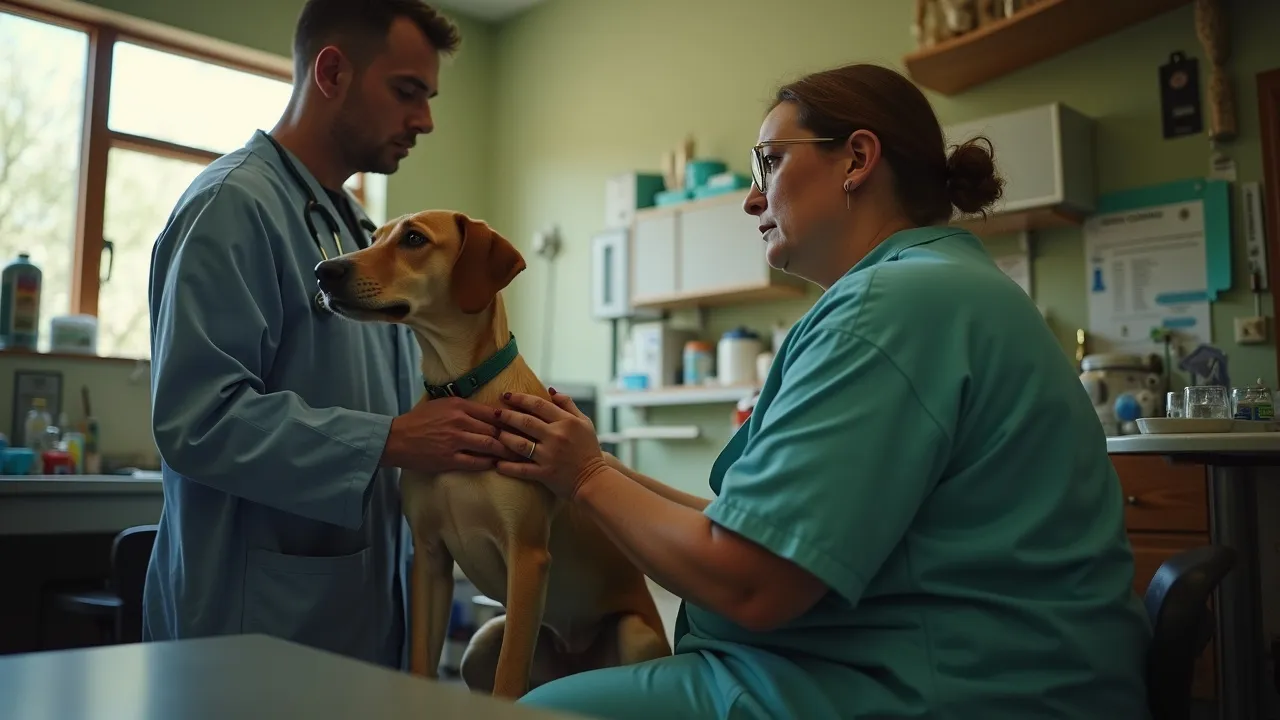
World Zoonoses Day on July 6th commemorates the first rabies vaccination by Louis Pasteur in 1885, raising awareness about diseases transmitted between animals and humans and promoting global health security.
The Historical Origins & Evolutionary Journey
World Zoonoses Day, observed annually on July 6th, stands as a global reminder of the intricate link between human and animal health. The date was chosen to honor the groundbreaking work of Louis Pasteur, who on July 6, 1885, successfully administered the first rabies vaccine to a young boy, Joseph Meister. This milestone marked the birth of vaccinology and demonstrated that zoonotic diseases could be prevented through scientific innovation.
The Foundational Catalyst
Zoonoses, diseases that naturally transmit from vertebrate animals to humans, have plagued humanity for millennia. From the bubonic plague (transmitted by fleas on rodents) to modern threats like avian influenza and COVID-19, these diseases account for over 60% of emerging infectious diseases. The rabies vaccine was a turning point. Before Pasteur, rabies was almost always fatal, and the post-exposure prophylaxis he developed saved countless lives. His work not only advanced microbiology but also laid the foundation for the One Health approach—recognizing that human, animal, and environmental health are interconnected.
The Legislative/Official Adoption
The formal observance of World Zoonoses Day gained traction in the early 21st century, driven by organizations like the World Health Organization (WHO), the Food and Agriculture Organization (FAO), and the World Organisation for Animal Health (OIE, now WOAH). The day was institutionalized to advocate for zoonotic disease surveillance, research, and public education. Many countries now incorporate the day into national health calendars, with activities ranging from vaccination drives to school awareness programs.
Modern Global Legacy
Today, World Zoonoses Day emphasizes the importance of preventing future pandemics. With 75% of new human diseases originating from animals, experts call for stronger veterinary public health systems, wildlife surveillance, and responsible livestock practices. The day also honors past successes, such as the eradication of rinderpest (a zoonotic disease) in 2011, and continues to push for global collaboration in the face of threats like Ebola, MERS, and zoonotic influenza.
How to Celebrate World Zoonoses Day
World Zoonoses Day offers a chance for individuals, communities, and organizations to take meaningful action. The following guide provides specific strategies tailored to different actors, ensuring broad participation and impact.
For Individuals and Families
- Educate yourself: Visit the WHO or CDC websites to learn about common zoonotic diseases in your region. For example, in Africa, avoid bushmeat; in Asia, practice safe poultry handling during avian flu outbreaks.
- Vaccinate pets: Ensure dogs and cats are vaccinated against rabies. Many veterinary clinics offer discounted vaccinations on this day.
- Practice hygiene: Wash hands after touching animals, avoid raw milk, and cook meat thoroughly. Use mosquito repellents to prevent vector-borne zoonoses like dengue.
- Share on social media: Use hashtags like #WorldZoonosesDay and #OneHealth to spread awareness. Post infographics on transmission routes.
For Schools and Universities
- Organize seminars: Invite veterinarians or public health experts to discuss zoonoses. For younger students, use interactive games like "Zoonosis Bingo".
- Hold poster competitions: Encourage students to create posters illustrating the One Health concept. Display them in school corridors.
- Conduct field visits: Take biology or agriculture students to a veterinary clinic or a livestock farm to learn about disease prevention.
For Organizations and Governments
- Launch vaccination campaigns: Provide free rabies vaccines in communities with high stray dog populations. In India, such campaigns have reduced human rabies deaths by 95% in some areas.
- Publish research: Release new data on zoonotic disease trends. For example, the CDC often releases a report on emerging zoonoses each July.
- Host inter-agency workshops: Bring together health, agriculture, and environment ministries to strengthen cross-sectoral surveillance.
Regional Traditions
While the date is fixed, celebrations vary:
- In Europe, museums often host exhibits on Louis Pasteur. France holds special ceremonies at the Pasteur Institute.
- In Africa, community health workers conduct door-to-door education on rabies and Ebola prevention.
- In Asia, countries like Vietnam and Thailand hold mass dog vaccination drives. Some Buddhist temples incorporate animal health blessings.
Key Zoonotic Diseases and Their Impact
Zoonotic diseases pose a major threat to global health, causing millions of deaths annually and massive economic losses. Understanding the most impactful ones is crucial for prevention.
Rabies
Despite being 100% preventable through vaccination, rabies still kills about 59,000 people each year, mostly in Asia and Africa. Dogs are the main reservoir. World Zoonoses Day promotes responsible pet ownership and post-exposure prophylaxis access.
Avian Influenza (H5N1, H7N9)
Birds transmit these viruses to humans through direct contact. Outbreaks have killed hundreds, and pandemic potential remains high. Surveillance of live poultry markets is critical.
COVID-19
The SARS-CoV-2 virus likely originated in bats and jumped to humans via an intermediate host. The pandemic highlighted the urgency of zoonotic surveillance and the need for global health security investments.
Ebola Virus Disease
Bats are the natural reservoir. Sporadic outbreaks in Africa cause high mortality and disrupt health systems. Rapid response teams and community engagement are key.
Vector-Borne Zoonoses
Includes Lyme disease (ticks), West Nile virus (mosquitoes), and plague (fleas). Climate change is expanding the range of vectors, making prevention more important.
The One Health Approach: Connecting Humans, Animals, and the Environment
The One Health approach recognizes that the health of people, animals, and ecosystems are interdependent. World Zoonoses Day is a pivotal moment to promote this collaborative framework.
Historical Context
The concept dates back to ancient Greece, but it was formalized in the 20th century by epidemiologists like Calvin Schwabe. The 2004 Manhattan Principles called for a holistic approach to emerging diseases. Today, One Health is endorsed by major international organizations.
Practical Implementation
One Health brings together veterinarians, physicians, ecologists, and policymakers. Examples include:
- Joint surveillance systems: In Thailand, human and animal health officials share data on influenza-like illnesses.
- Antimicrobial resistance (AMR): Overuse of antibiotics in livestock contributes to resistance in humans. One Health promotes prudent use across sectors.
- Wildlife trade regulation: Reducing contact between wildlife and humans minimizes spillover risks. The Convention on International Trade in Endangered Species (CITES) is a key partner.
Success Stories
One Health interventions have controlled outbreaks of Nipah virus in Bangladesh (via bat-proof date palm sap collectors) and Rift Valley fever in East Africa (through livestock vaccination). The approach saved billions in economic losses.
Global Initiatives and Policy Frameworks
International cooperation is vital to tackle zoonotic diseases. Several frameworks and partnerships drive progress.
World Health Organization (WHO)
WHO leads the Global Rabies Elimination Program, aiming for zero human deaths from dog-mediated rabies by 2030. The agency also issues guidelines on avian influenza and other zoonoses.
World Organisation for Animal Health (WOAH)
WOAH sets standards for animal health and zoonotic disease surveillance, including the OIE Terrestrial Animal Health Code. It also supports countries in strengthening veterinary services.
Food and Agriculture Organization (FAO)
FAO works on zoonoses at the livestock-wildlife interface, promoting good farming practices and biosecurity. Their Emergency Prevention System (EMPRES) helps detect outbreaks early.
The Global Health Security Agenda (GHSA)
Launched in 2014, GHSA supports countries in achieving IHR (2005) compliance, with a focus on zoonotic diseases. Over 70 countries participate.
International Health Regulations (IHR 2005)
These regulations require countries to report public health events, including zoonotic outbreaks. Strengthening core capacities is a global priority.
How You Can Support Research and Innovation
Scientific progress on zoonotic diseases depends on continued research and innovation. Here are concrete ways to contribute.
Funding and Donations
- Donate to organizations like the Pasteur Institute or Médecins Sans Frontières that provide rabies vaccines and conduct research.
- Support universities and labs working on zoonotic pathogen discovery. Platforms like Experiment.com allow crowdfunding for specific projects.
Citizen Science
- Join projects like iNaturalist to record wildlife sightings, helping track animal reservoirs.
- Participate in community-based surveillance programs. For example, the HealthMap app uses user reports to map disease outbreaks.
Advocacy
- Urge policymakers to invest in public health infrastructure. Write to your representatives about the importance of One Health funding.
- Share credible information on social media to combat misinformation, especially regarding vaccines and animal contact.
Career Paths
Consider a career in veterinary epidemiology, wildlife ecology, or global health security. Many universities offer One Health graduate programs.
Historical Timeline
Louis Pasteur successfully administers the first rabies vaccine to Joseph Meister, a 9-year-old boy bitten by a rabid dog. This marks a breakthrough in preventing zoonotic disease.
World Zoonoses Day is first observed on a global scale, organized by international health bodies to commemorate Pasteur's achievement and raise awareness about zoonotic diseases.
The Global Alliance for Rabies Control launches the 'World Rabies Day' (September 28) complementing World Zoonoses Day. Rinderpest is eradicated, the first zoonotic disease eliminated.
The Global Health Security Agenda is established with a strong focus on zoonotic disease threats. The Ebola outbreak in West Africa underscores the need for stronger systems.
COVID-19 pandemic begins, originating from a zoonotic spillover (likely bats). It leads to unprecedented global health and economic impacts, highlighting the critical importance of zoonotic disease prevention.
WHO launches the 'Zero by 30' initiative to end human deaths from dog-mediated rabies by 2030. World Zoonoses Day events focus on pandemic prevention and One Health implementation.