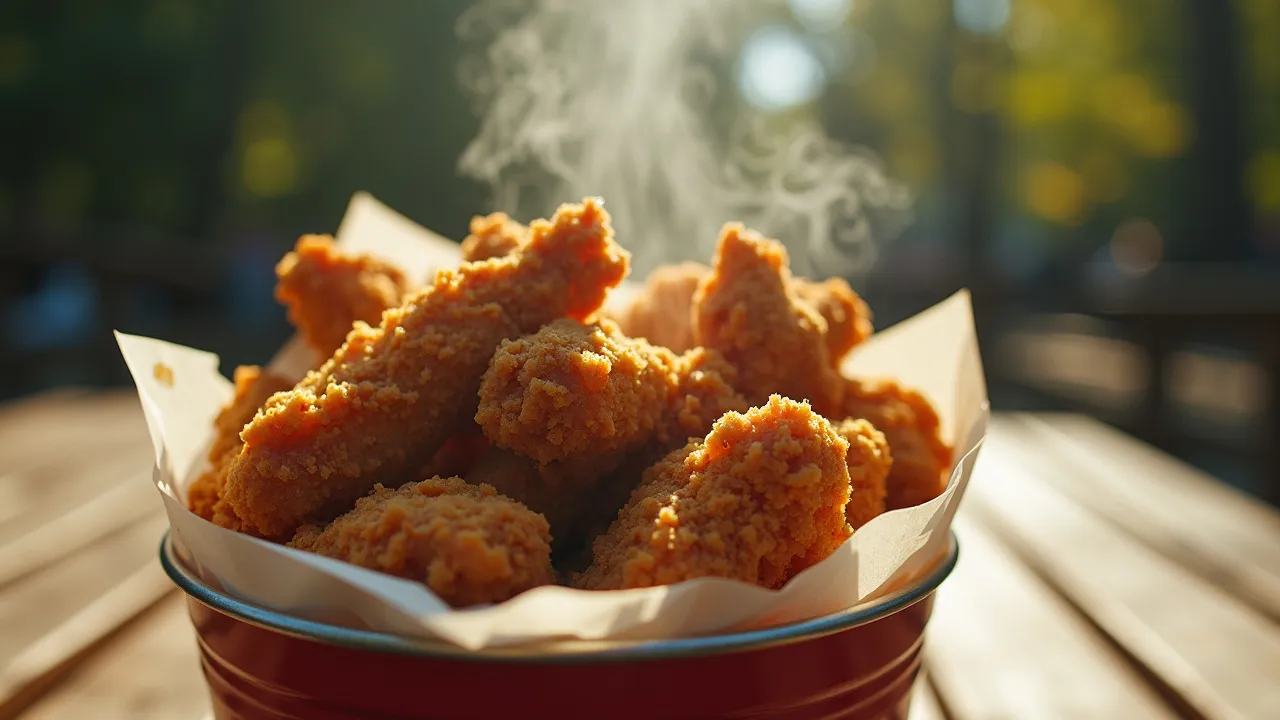
National Fried Chicken Day on July 6th celebrates America's beloved crispy, juicy comfort food from Southern roots to global fame. A day to honor culinary heritage and indulge in this iconic dish.
The Historical Origins & Evolutionary Journey
National Fried Chicken Day on July 6th honors the deep-rooted history and cultural evolution of fried chicken, a dish that has traveled from ancient cooking techniques to a global comfort food phenomenon. While the exact origins of the observance remain mysterious, fried chicken itself boasts a rich, multifaceted past.
The Foundational Catalyst
Fried chicken traces its lineage to West African culinary traditions, where cooks seasoned and deep-fried poultry in palm oil. Enslaved Africans brought these techniques to the American South, where they adapted to local ingredients and cooking methods. By the 19th century, fried chicken became a staple of Southern cuisine, often associated with Sunday dinners and special gatherings. The dish gained broader popularity through the rise of African American cooks and entrepreneurs, such as the famous Harriet Ross Tubman-era cooks and later the commercialization by figures like Colonel Harland Sanders in the 20th century.
The Legislative/Official Adoption
National Fried Chicken Day has no formal government proclamation but emerged organically as a food holiday in the United States. It is widely recognized by food enthusiasts, restaurants, and media outlets. The date July 6th is consistently cited in calendars and food holiday lists, though its originator remains unknown. Some speculate it was created by food bloggers or the chicken industry to boost summer sales. Regardless, it has been embraced as a day to celebrate the dish unapologetically.
Modern Global Legacy
Today, fried chicken is a global phenomenon, with variations in Korea (yangnyeom chicken), Japan (karaage), and the Caribbean (Jamaican jerk chicken). National Fried Chicken Day encourages people worldwide to explore these diverse interpretations. The day also highlights the dish's impact on American culture, from soul food traditions to fast-food innovations. In recent years, the holiday has been used to promote local restaurants and share recipes on social media, fostering a sense of community around a shared love for crispy, savory chicken.
How to Celebrate National Fried Chicken Day
Whether you're a home cook, a restaurant owner, or a fried chicken enthusiast, July 6th offers countless ways to celebrate. Below are actionable strategies for individuals, families, and businesses.
For Individuals and Families
- Cook from scratch: Try a classic Southern recipe with buttermilk brine and seasoned flour. Experiment with different spices like paprika, garlic powder, and cayenne.
- Host a fried chicken picnic: Pair with coleslaw, biscuits, and sweet tea. Invite friends and family for an outdoor feast.
- Explore global versions: Prepare Korean fried chicken with gochujang glaze or Japanese karaage with soy sauce and ginger.
- Support local restaurants: Order takeout from a neighborhood soul food joint or a popular fried chicken chain.
For Schools and Organizations
- Educational cooking classes: Teach students about the history and techniques of frying chicken, emphasizing kitchen safety.
- Fundraising events: Organize a fried chicken dinner fundraiser, donating proceeds to local food banks.
- Cultural appreciation programs: Host a potluck featuring fried chicken from different cultures, discussing the diaspora of cooking methods.
Corporate and Social Rituals
- Office potluck: Encourage employees to bring in their favorite fried chicken recipes. Award prizes for best presentation or taste.
- Social media challenges: Use hashtags like #NationalFriedChickenDay and #FriedChickenDay to share photos and stories. Run contests for most creative recipe.
- Community chicken fry: Partner with local parks or churches to host a large-scale chicken fry, promoting togetherness.
No matter how you celebrate, the key is to savor the crispy, juicy goodness and honor the dish's rich heritage.
Cultural Impact and Symbolism
Fried chicken holds a complex place in American culture, symbolizing both comfort and racial stereotyping. National Fried Chicken Day provides an opportunity to acknowledge and reframe these narratives. The dish has been unfairly used as a racial slur, but many African American chefs and food historians reclaim it as a symbol of resilience and creativity. Today, fried chicken is celebrated as a unifying comfort food that transcends boundaries.
Film and Media
Fried chicken appears in countless movies and TV shows, from KFC product placements to iconic scenes in The Help and Soul Food. It became a symbol of Southern hospitality and home-cooked love.
Economic Influence
The fried chicken industry is massive, with chains like KFC, Popeyes, and Chick-fil-A generating billions annually. National Fried Chicken Day boosts sales and highlights the economic importance of this sector.
Nutritional Considerations and Modern Trends
Fried chicken is often considered indulgent, but modern trends emphasize healthier alternatives and responsible sourcing.
Nutritional Profile
Traditional deep-fried chicken is high in calories, fat, and sodium. A typical serving can exceed 400 calories. However, modifications like air frying, baking, or using skinless chicken can reduce fat content.
Health-Conscious Variations
- Air-fried chicken: Uses minimal oil while maintaining crispiness.
- Gluten-free coatings: Almond flour or cornstarch instead of wheat flour.
- Organic and free-range: Ethical sourcing for better quality.
National Fried Chicken Day can also be a time to discuss balanced eating and portion control – enjoy the dish, but with awareness.
Regional Variations Around the World
Fried chicken has been adapted globally, resulting in unique regional styles that deserve recognition.
United States
Southern-style: buttermilk-marinated, seasoned flour, often served with biscuits and gravy. Fast-food versions like KFC's Original Recipe have standardized the taste nationwide.
South Korea
Korean fried chicken (chimaek) is double-fried for extra crunch, then coated in sweet-spicy sauces like yangnyeom. Often paired with beer.
Japan
Karaage: bite-sized pieces marinated in soy sauce, ginger, and garlic, then dusted with potato starch and deep-fried. Served with lemon and mayonnaise.
Caribbean
Jamaican jerk chicken: marinated in spicy jerk seasoning, then fried or grilled. Often served with rice and peas.
Africa
West African fried chicken uses spices like ginger, scotch bonnet peppers, and thyme, reflecting heritage.
These regional variations show the dish's versatility and global appeal. On July 6th, try a version from a different culture to broaden your culinary horizons.
Industry Impact and Fast-Food Revolution
Fried chicken has driven major innovations in the fast-food industry.
The KFC Phenomenon
Colonel Harland Sanders founded Kentucky Fried Chicken in 1952, franchising his secret recipe of 11 herbs and spices. KFC became a global icon, with thousands of outlets worldwide.
Popeyes and the Chicken Sandwich War
In 2019, Popeyes launched its chicken sandwich, sparking a viral marketing war that boosted sales across the industry. This event underscored fried chicken's power in food culture.
Economic Data
The US fried chicken market is valued at over $40 billion, with steady growth. National Fried Chicken Day amplifies consumer spending and brand loyalty.
Historical Timeline
Colonel Harland Sanders opens the first Kentucky Fried Chicken franchise in Salt Lake City, Utah, popularizing his pressure-cooked fried chicken recipe.
Fast-food fried chicken chains like Popeyes (1972) and Church's Chicken (1972) emerge, expanding access to the dish.
Korean fried chicken becomes a global trend, with double-frying techniques and spicy sauces gaining popularity outside Korea.
Foodie culture elevates fried chicken to gourmet status, with chefs creating artisanal versions using free-range birds and unique seasonings.
The 'Chicken Sandwich War' erupts after Popeyes launches its chicken sandwich, leading to viral social media campaigns and increased sales across chains.
During the COVID-19 pandemic, fried chicken sales surge as comfort food demand rises; National Fried Chicken Day trends online with millions of posts.
National Fried Chicken Day is recognized globally on July 6th, with brands, restaurants, and home cooks celebrating through special promotions and recipes.