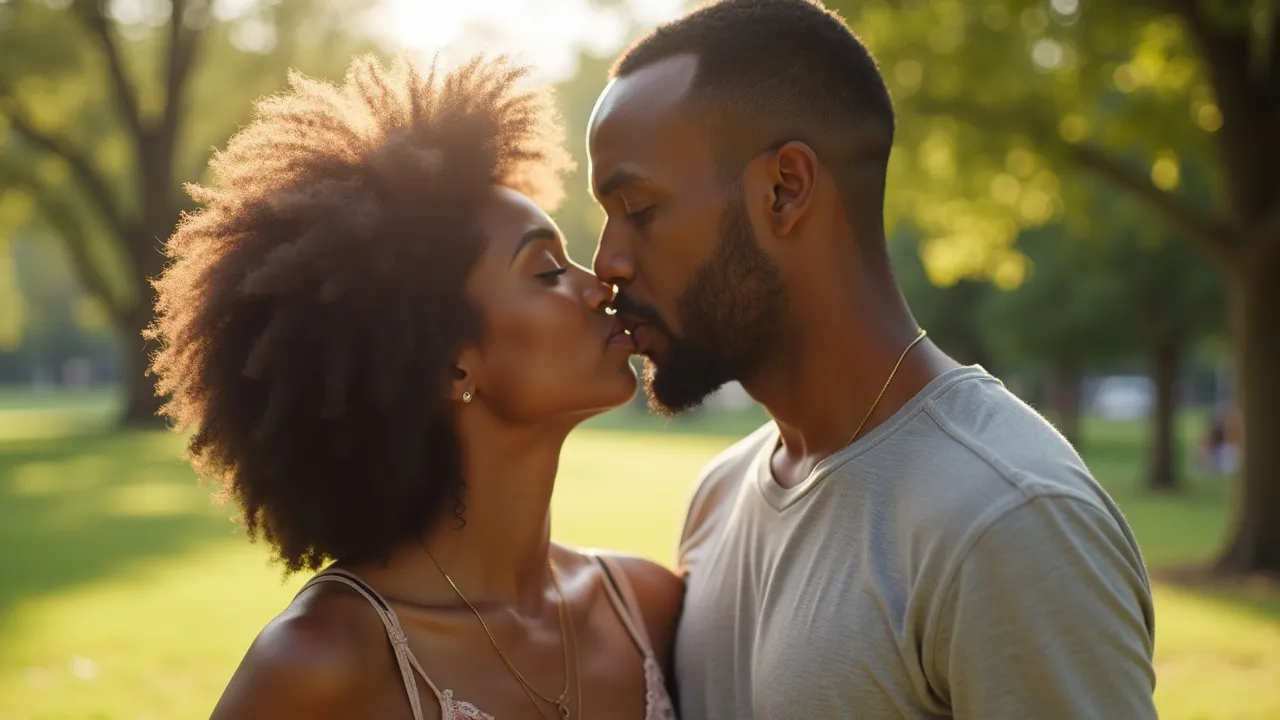
International Kissing Day, observed on July 6th, celebrates the universal act of affection. Originating in the UK, this day encourages people to appreciate the simple joy of kissing and its benefits.
The Historical Origins & Evolutionary Journey
International Kissing Day, observed annually on July 6th, was first established in the United Kingdom in 2006. The day was created as a lighthearted observance to remind people of the simple joys and emotional significance of kissing. While the exact founder remains a collective effort of social activists and online communities, the day quickly gained traction through early social media platforms and grassroots campaigns.
The Foundational Catalyst
The catalyst for International Kissing Day was a growing recognition of kissing as a universal human expression that transcends cultural and linguistic barriers. In an increasingly digital world, physical affection was seen as vital for mental health and social bonding. The first celebrations involved community events, kissing booths for charity, and online challenges encouraging people to share photographs of kisses.
The Legislative/Official Adoption
Unlike many official holidays, International Kissing Day did not require legislative approval. Instead, it spread organically through media coverage and public enthusiasm. By 2008, it had been adopted in several countries, including Canada, Australia, and parts of Europe. Its non-commercial nature helped it maintain authenticity, though brands later leveraged it for marketing campaigns around romance and wellness.
Modern Global Legacy
Today, International Kissing Day is celebrated with diverse events: from mass kissing flash mobs in major cities to virtual kissing sessions via video calls. The day also highlights the importance of consent and cultural sensitivity. It has inspired academic discussions on the anthropology of kissing and even influenced public health campaigns focusing on the benefits of physical affection.
How to Celebrate International Kissing Day
International Kissing Day offers endless opportunities to express affection. Below are actionable ideas for individuals, couples, families, and communities.
- Share a heartfelt kiss with your partner, family, or even your pet. The simplest act can strengthen bonds.
- Organize a kissing booth for charity. Charge a small fee for a kiss and donate proceeds to a cause.
- Learn kissing etiquette for different cultures to avoid faux pas when traveling.
- Host a kissing-themed party with games like 'kissing fish' (pass a fish around without hands using only lips) or 'kissing ball' (pass a ball with chins).
- Participate in a public flash mob kiss – gather in a square at a set time and kiss simultaneously.
Ideas for Couples
- Plan a romantic date focused on kissing: watch a love story, share a sunset kiss, or try new kissing techniques.
- Write a love letter and seal it with a lipstick kiss.
- Create a 'kissing jar' with different kiss-style prompts (e.g., butterfly kiss, French kiss).
Ideas for Singles
- Send virtual kisses via emojis or video messages to friends and family.
- Practice self-love by kissing your reflection or giving yourself a compliment.
- Attend online kissing workshops or social events focused on affection.
Global Celebration Variations
In France, the day is marked with public displays from street performers offering 'kiss for a photo' booths. In Japan, couples exchange special chocolate kisses or visit romantic spots. In Brazil, the day often includes group cheek-kissing marathons. Many schools use the day to teach about consent and healthy relationships.
The Science Behind the Kiss
Kissing is not merely romantic; it has profound physiological and psychological effects. Research shows that kissing triggers a cascade of neurochemicals that promote bonding and well-being.
Biological Benefits
- Stress reduction: Kissing lowers cortisol levels, reducing stress and anxiety.
- Immune boost: The exchange of bacteria can strengthen the immune system, especially when partners are exposed to each other's germs.
- Calorie burning: An energetic kiss can burn 2–3 calories per minute, similar to a light walk.
- Pain relief: The release of endorphins acts as a natural painkiller.
Psychological Impact
Kissing increases levels of oxytocin (the 'love hormone'), fostering trust and attachment. It also boosts dopamine, enhancing pleasure and mood. Studies indicate that couples who kiss frequently report higher relationship satisfaction and lower depression rates. The act of kissing also stimulates the brain's reward system, similar to eating chocolate or listening to music.
Global Kissing Traditions and Cultural Variations
While International Kissing Day promotes a universal celebration, kissing customs vary dramatically worldwide. Understanding these differences is key to respectful observance.
Regional Practices
- Finland: A kiss on the forehead is a sign of deep respect and familial love.
- India: Cheek kissing among friends is common, but public romantic kissing is still taboo in many areas.
- Brazil: Friends often greet with one or two cheek kisses, and the day includes community 'kiss trains'.
- Middle East: Same-sex cheek kissing between men is a common greeting, but public heterosexual kissing is often restricted.
- Nordic countries: Public kissing is widely accepted and practiced openly.
Taboos and Etiquette
In many Asian cultures, kissing in public is considered intimate and private. On International Kissing Day, awareness campaigns emphasize consent and cultural context. For example, in Japan, 'Kiss Day' is often celebrated privately at home or in designated romantic spots. Travelers are advised to observe local norms to avoid offending.
Health Benefits of Kissing
Beyond emotional warmth, kissing offers tangible health advantages supported by scientific studies.
Physical Health
- Reduces blood pressure: Kissing dilates blood vessels, improving circulation and lowering blood pressure.
- Relieves stress: The calming effect of kissing can decrease anxiety levels.
- Boosts immunity: Exposure to new bacteria via kissing can help the body build resistance to pathogens.
- Burns calories: A passionate kiss can burn up to 6 calories per minute.
Emotional Health
Kissing strengthens emotional bonds, increases relationship satisfaction, and can even help couples resolve conflicts. The release of oxytocin and serotonin reduces symptoms of depression and loneliness. Regular kissing is associated with longer life expectancy, likely due to its stress-relieving and socially bonding effects.
Kissing Etiquette and Social Norms
Kissing is a nuanced behavior governed by unwritten rules. International Kissing Day also serves as a reminder of the importance of consent and cultural sensitivity.
Consent First
Always ensure your kiss is welcome. The day promotes 'kissing with consent' campaigns, encouraging people to ask before leaning in. Non-consensual kissing is never acceptable, regardless of the occasion.
Workplace and Public Settings
In professional environments, kissing is generally inappropriate. On this day, many companies organize separate social events where affections can be expressed properly. Public kissing norms vary: in Western countries, it is common, while in many parts of Asia, it remains private. Travelers should research local customs.
Digital Etiquette
In the age of social media, 'kissing selfies' are popular. However, always get consent before posting images of others kissing. Use hashtags like #InternationalKissingDay responsibly.
The Future of International Kissing Day
As society evolves, so does the celebration. International Kissing Day is increasingly used to promote public health messages about the benefits of affection. Future trends may include virtual reality kissing experiences and global synchronized kiss events. The day also adapts to changing social norms, emphasizing inclusivity for all relationship types and promoting respectful expressions of love.
Historical Timeline
First International Kissing Day celebrated in the United Kingdom, organized by social activists and online communities.
Day gains international recognition; celebrated in Canada, Australia, and parts of Europe.
Theme-based celebrations emerge, including 'Kiss for a Cause' charity events and public kissing flash mobs.
Record for longest kissing marathon set on this day: 58 hours, 35 minutes, and 58 seconds by a Thai couple.
COVID-19 pandemic shifts celebrations to virtual platforms; social distancing leads to 'air kisses' and video call events.
Global events resume with emphasis on health and consent; UNESCO adds day to list of informal observances.