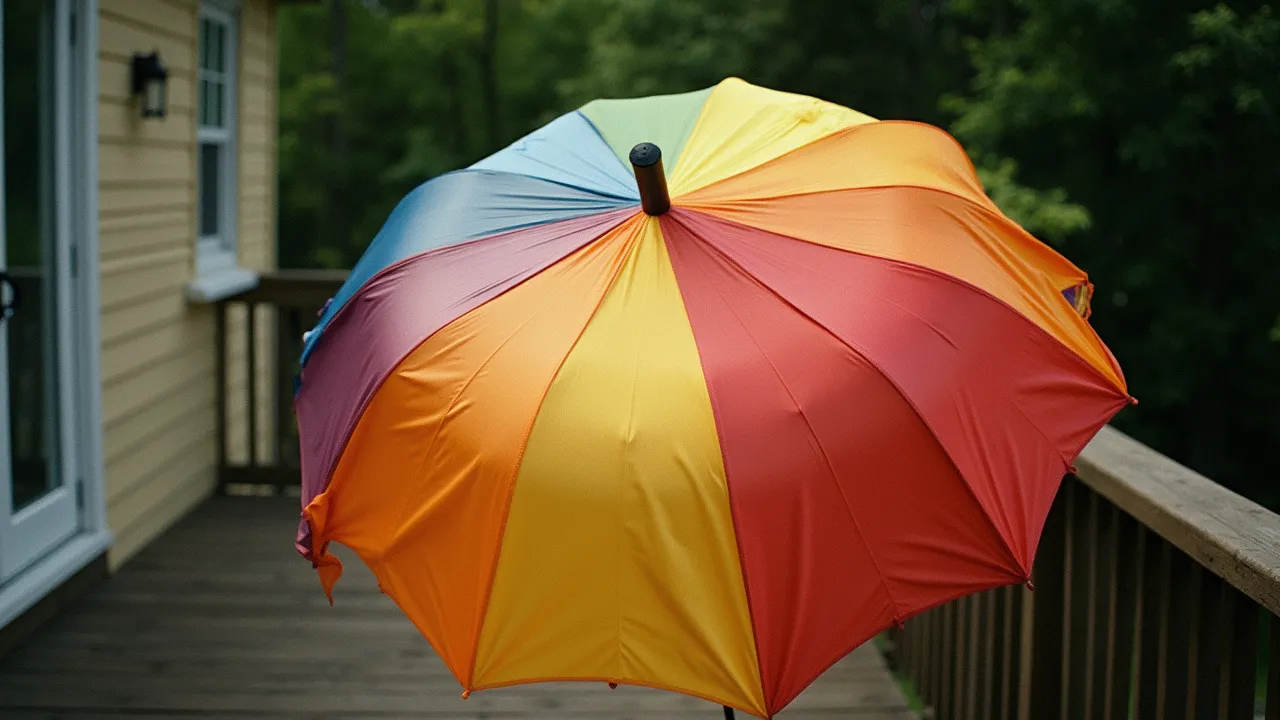
Umbrella Cover Day, observed annually on July 6th, honors the vital accessory that shields us from rain and sun. It's a day to appreciate the design, history, and proper care of umbrella covers.
The Historical Origins & Evolutionary Journey
Umbrella Cover Day, celebrated each year on July 6th, traces its roots to the early 2000s when the Umbrella Manufacturers Association (UMA) sought to highlight the often-overlooked component of every umbrella: its cover. While umbrellas date back over 4,000 years to ancient Egypt and China, the dedicated cover—the fabric canopy—became a focus of innovation only in the 19th century.
The Foundational Catalyst
In 2003, a group of umbrella enthusiasts and manufacturers noticed that umbrella covers were frequently discarded or damaged due to poor design and lack of care instructions. The UMA launched a campaign to promote awareness, culminating in the first official celebration in 2004. The date July 6th was chosen symbolically as the midpoint of the Northern Hemisphere's rainy season, when umbrellas are most used.
The Legislative/Official Adoption
While not a government-declared holiday, many countries adopted Umbrella Cover Day through trade associations and consumer advocacy groups. Japan, China, and several European nations quickly embraced it, adding local traditions. In 2010, the UMA expanded the day to include a focus on sustainability, encouraging repair over replacement.
Modern Global Legacy
Today, Umbrella Cover Day is recognized by umbrella manufacturers, fashion designers, and eco-conscious communities worldwide. It serves as a reminder of the craftsmanship behind a simple yet essential item, and the importance of protecting its cover to extend its life.
How to Celebrate Umbrella Cover Day
Umbrella Cover Day offers numerous ways to participate, from individual acts to community events. Below are specific strategies for different groups.
For Individuals
- Inspect Your Umbrella Cover: Check for tears, rust on the ribs, or loose stitching. Clean it according to the material type.
- Proper Storage: Always dry your umbrella before closing it to prevent mildew. Use a cover sleeve to protect the canopy.
- Repair, Don't Replace: Learn basic fixes like sewing small holes or replacing a bent strut. Many local tailors offer umbrella repair.
For Schools & Educators
- Art Projects: Have students design their own umbrella cover patterns using fabric markers or recycled materials.
- Science Lessons: Explain the physics of waterproof materials and why certain fabrics (e.g., polyester, pongee) are effective.
- Environmental Awareness: Discuss the waste problem of discarded umbrellas and how proper cover care reduces landfill.
For Organizations & Businesses
- Host a Repair Workshop: Partner with local seamstresses to teach basic umbrella maintenance.
- Social Media Campaign: Share tips using hashtags like #UmbrellaCoverCare and #July6.
- Employee Engagement: Provide free umbrella washing or replacement covers for staff.
Regional Variations
In Japan, Umbrella Cover Day coincides with the start of the tsuyu (rainy season), and people often gift compact folding umbrellas with decorative covers. In the UK, many communities host "brolly swaps" where used umbrellas are exchanged and repaired. In the US, the day is popular among camping enthusiasts who use large umbrellas for shade; they focus on UV-protective covers.
The Importance of Umbrella Covers
An umbrella cover, or canopy, is more than a piece of fabric. It is the primary defense against rain, snow, and sunlight. Over time, continuous exposure to water and UV rays can degrade the material, leading to leaks and tears. Proper care of the cover ensures the umbrella's longevity and functionality.
Material Matters
Most umbrella covers are made from nylon, polyester, or pongee (a tightly woven polyester). Higher-end models use Teflon-coated fabrics for water repellency. Understanding the material helps in choosing the right cleaning method. For example, pongee should be wiped with a damp cloth, while nylon can be machine washed on a gentle cycle.
Why July 6th?
The date serves as a mid-year checkpoint for umbrella owners. In many regions, the first half of the year sees the heaviest rainfall, and Umbrella Cover Day reminds us to inspect and maintain our covers before the second half.
Types of Umbrella Covers
Umbrella covers come in various designs to suit different needs. Below is a breakdown of common types and their features.
By Shape
- Dome: Classic rounded shape, popular for its even coverage and wind-resistance.
- Square: Often used in patio umbrellas, providing maximum shade for large areas.
- Folding: Compact covers for travel umbrellas, usually made of thin nylon.
By Function
- UV-Protective: Treated with a coating that blocks harmful ultraviolet rays, ideal for sunny climates.
- Windproof: Reinforced seams and vented designs that allow wind to pass through, reducing inversion risk.
- Auto-Open/Close: Covers with a mechanical system that retracts automatically; require careful handling to avoid damage.
By Material
- Polyester: Affordable, water-resistant, but prone to fading.
- Nylon: Lightweight and strong, but can be less breathable.
- Pongee: Premium polyester with a soft, silk-like feel; excellent water repellency.
Environmental Impact and Sustainability
Each year, millions of umbrellas end up in landfills, and their covers are a significant contributor. The average umbrella lasts only a few seasons before its cover degrades. Sustainable practices are essential to reduce this waste.
Eco-Friendly Innovations
- Biodegradable Fabrics: Some manufacturers now use organic cotton or recycled polyester for covers.
- Replaceable Covers: Modular umbrellas allow users to swap covers without replacing the entire frame.
- Repair Cafés: Community hubs that mend broken umbrellas for free or a small fee.
How You Can Help
On Umbrella Cover Day, pledge to:
- Repair your existing umbrella instead of buying a new one.
- Donate used but functional umbrellas to shelters.
- Choose umbrellas with easy-to-replace covers.
Global Traditions and Regional Variations
Umbrella Cover Day is observed differently around the world, reflecting local climates and cultures. Below are notable traditions.
Asia
In Japan and China, Umbrella Cover Day is a time to honor the umbrella as a symbol of respect and hospitality. Many families take out their best oil-paper umbrellas (traditional folded paper umbrellas coated with tung oil) and carefully treat the covers with oil to preserve them. In India, the day coincides with the monsoon season, and colorful printed umbrella covers are exchanged as gifts.
Europe
In the UK, the day often features "umbrella walks" where participants carry repaired vintage umbrellas through city parks. In France, luxury umbrella manufacturers host open houses to showcase hand-sewn covers made of silk or lace. Germany emphasizes technical innovation, with workshops on how to reinforce covers against strong winds.
Americas
In the US and Canada, Umbrella Cover Day is embraced by outdoor enthusiasts who use large patio umbrellas. Activities include cleaning and applying UV protectant sprays to covers. In Brazil, it's a day to create new covers from upcycled materials, and community contests award the most creative designs.
Historical Timeline
Earliest known umbrellas appear in ancient Egypt and China, using palm leaves and papyrus for covers.
English inventor Jonas Hanway popularizes the umbrella as a rain shelter in London, though covers are made of heavy silk.
Samuel Fox invents the steel-ribbed umbrella frame, allowing lighter and more flexible covers.
The first compact folding umbrella is patented in Germany by Hans Haupt, featuring a small nylon cover.
The Umbrella Manufacturers Association launches a campaign to highlight umbrella cover care, leading to the first Umbrella Cover Day.
First official Umbrella Cover Day celebrated on July 6th.
Sustainability added as a core theme; repair workshops become a global tradition.
During the COVID-19 pandemic, virtual celebrations emerge, with online tutorials on cover repair and DIY customizations.