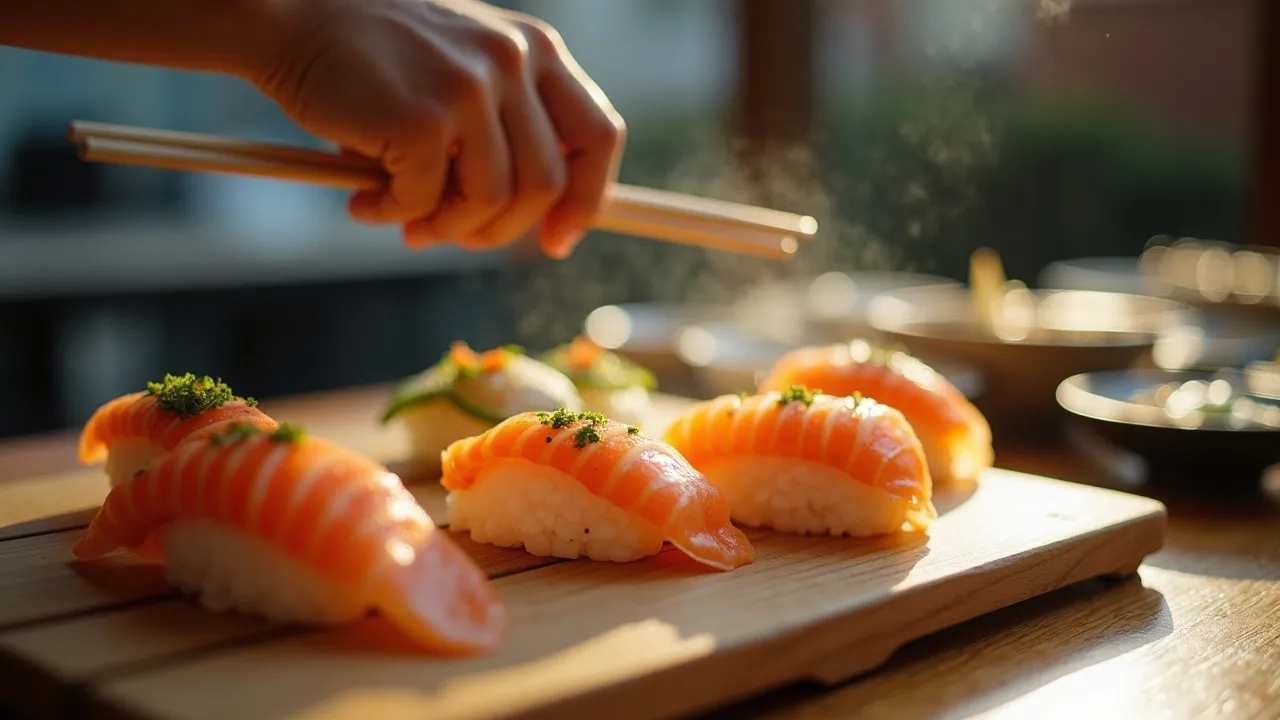
National Hand Roll Day on July 6th honors the art of hand-rolled sushi, celebrating the fresh, flavorful, and fun tradition of temaki. Enjoy making or savoring these cone-shaped delights.
The Historical Origins & Evolutionary Journey
National Hand Roll Day celebrates the iconic hand roll, or temaki, a cone-shaped sushi variety that has evolved from Japanese street food to a global culinary phenomenon. This section explores its deep roots, invention, and modern-day legacy.
The Foundational Catalyst
Temaki sushi traces its origins to the Edo period in Japan (1603-1868), when sushi was first popularized as a fast food for the busy public. Early sushi was fermented fish pressed with rice, but the hand roll as we know it emerged later. The catalyst was the need for a convenient, one-handed meal that could be eaten without chopsticks. By the mid-20th century, sushi chefs began experimenting with nori (seaweed) cones filled with vinegared rice and fresh fish, creating the first temaki. The exact inventor is debated, but many credit the innovation to sushi masters in Osaka and Tokyo who sought to combine simplicity with elegance.
The Legislative/Official Adoption
National Hand Roll Day was officially established in 2016 by the Sushi Industry Council, a coalition of sushi chefs, restaurateurs, and food enthusiasts. The council aimed to promote the cultural significance of hand rolls and encourage home cooking. July 6th was chosen to coincide with the peak of summer, when fresh seafood and vegetables are abundant. The day quickly gained traction through social media campaigns and sushi restaurant promotions, becoming a beloved food holiday in the United States and beyond.
Modern Global Legacy
Today, National Hand Roll Day is observed worldwide, with sushi bars offering special menus, cooking classes, and discounts. The hand roll has transcended its Japanese origins, inspiring fusion creations such as California rolls, spicy tuna hand rolls, and even vegan temaki filled with avocado, mango, and cucumber. The day also serves as an educational opportunity to promote sustainable seafood and traditional Japanese culinary techniques.
How to Celebrate National Hand Roll Day
Celebrating National Hand Roll Day is about embracing the hands-on experience of making and eating these delicious cones. Whether you're a seasoned sushi chef or a beginner, here are actionable ways to join the celebration.
At Home: DIY Hand Roll Party
- Gather friends and family for a temaki-making party. Set up a buffet with nori sheets, sushi rice, and a variety of fillings like fresh salmon, tuna, shrimp tempura, avocado, cucumber, and pickled radish.
- Provide step-by-step instructions: Place a square of nori in your palm, add a scoop of rice, lay fillings in the center, and roll into a cone shape. Seal with a grain of rice.
- Offer dipping sauces: soy sauce, ponzu, spicy mayo, and wasabi. Pair with edamame and miso soup for a complete meal.
At Restaurants: Support Local Sushi Bars
- Visit a local sushi restaurant and order their specialty hand rolls. Many offer discounts or fixed-price menus on July 6th.
- Take a sushi-making class. Many Japanese cultural centers and culinary schools host workshops for National Hand Roll Day.
- Share your hand roll creations on social media using hashtags like #NationalHandRollDay and #TemakiDay.
For Organizations: Corporate and Educational Events
Schools and workplaces can host temaki-themed potlucks or catered lunches. Team-building activities like sushi rolling competitions foster creativity and collaboration. Chefs can offer live demonstrations to educate about the history and technique of hand rolls.
Global Celebrations
In Japan, hand rolls are celebrated as part of summer festivals, while in the United States, food trucks and pop-ups often feature hand rolls. In Brazil, temaki is a popular beach snack. Each culture adds its twist, reflecting local ingredients and tastes.
The Cultural Significance of Hand Rolls in Japan
In Japan, temaki holds a special place in both everyday dining and festive occasions. Unlike other sushi forms that require precise knife skills, hand rolls are approachable and family-friendly, often made at home for hanami (cherry blossom viewing) and osechi (New Year) celebrations.
Symbolism and Tradition
The cone shape of temaki is said to represent abundance and good fortune. The act of rolling one's own hand roll is a communal activity that fosters connection, much like a hot pot meal. In traditional Japanese tea ceremonies, hand rolls are sometimes served as a light refreshment.
Regional Variations
Different regions of Japan have their own hand roll specialties. In Osaka, hand rolls are often filled with conger eel and plum paste, while in Hokkaido, fresh sea urchin and salmon roe are popular. Kyoto offers vegetarian versions with bamboo shoots and yuba (tofu skin).
Hand Rolls Around the World: Global Variations
As hand rolls spread globally, they adapted to local palates and ingredients. Here is a look at some regional interpretations.
- United States: The American hand roll often includes cream cheese, avocado, and spicy sauces. The Philadelphia roll and the spicy tuna hand roll are iconic.
- Brazil: Temaki is immensely popular, with fillings like cream cheese, strawberry, and grilled chicken. It is often deep-fried as temaki frito.
- Australia: Hand rolls feature fresh barramundi, mango, and native herbs like lemon myrtle.
- Europe: In France, hand rolls may include foie gras and truffle oil. In the UK, smoked salmon and cucumber are common.
These variations demonstrate the versatility of the hand roll and its ability to bridge cultures.
Health Benefits and Nutritional Profile of Hand Rolls
Hand rolls offer a balanced meal rich in protein, healthy fats, and carbohydrates. The nori seaweed provides iodine and fiber, while fish offers omega-3 fatty acids. Avocado adds monounsaturated fats and vitamin E.
Nutritional Composition
- Calories: A typical hand roll contains 200-350 calories, depending on fillings.
- Protein: 15-25 grams from fish or tofu.
- Carbohydrates: 20-30 grams from rice.
- Fat: 10-15 grams, primarily healthy fats.
Dietary Adaptations
Hand rolls can be made gluten-free by using tamari instead of soy sauce. Brown rice substitutes add fiber. Vegetarian and vegan versions use tofu, mushrooms, or hearts of palm as protein sources. For those watching sodium, low-sodium soy sauce is available.
Pairing Hand Rolls with Beverages and Sides
To enhance your National Hand Roll Day experience, consider these classic pairings.
Beverages
- Sake: A crisp, dry sake like a ginjo complements the delicate flavors of raw fish.
- Green Tea: Japanese sencha or matcha cuts through the richness of sushi.
- Beer: Light lagers or Japanese rice beers like Sapporo are refreshing.
- Wine: A dry Riesling or sparkling wine pairs well with hand rolls.
Sides
- Miso soup with tofu and wakame.
- Edamame sprinkled with sea salt.
- Sunomono (cucumber salad) for a tangy contrast.
- Gari (pickled ginger) to cleanse the palate.
The Future of Hand Rolls: Trends and Innovations
National Hand Roll Day also looks forward to emerging trends. Sustainability is a major focus, with chefs using alternative proteins like plant-based fish and insect-based ingredients. Technology is also playing a role: automated hand roll machines are being developed for high-volume production, while 3D-printed nori sheets allow custom shapes and designs. The rise of ghost kitchens has made hand rolls more accessible for delivery. As global palates evolve, we can expect even more fusion creations, such as Korean gochujang hand rolls or Thai-inspired with mango and chili.
Education and preservation of traditional techniques remain crucial. Many culinary schools now include hand roll masterclasses to ensure the art is passed down. National Hand Roll Day serves as a reminder of the joy of simple, handcrafted food.
Historical Timeline
Sushi emerges as a popular fast food in Edo (Tokyo), with nigiri sushi taking center stage. Hand rolls are not yet common.
First documented temaki hand roll is served at a sushi restaurant in Tokyo, Japan, known as Sushiko. The cone shape is an immediate hit.
Hand rolls are introduced to the United States via Los Angeles sushi bars. The California roll, a reverse roll, soon follows, but temaki also finds fans.
Temaki becomes a staple in Japanese home cooking, with housewives compiling hand roll parties called 'temaki zushi' gatherings.
First hand roll chain restaurant, Temaki-ya, opens in Osaka, Japan, offering over 30 types of hand rolls.
Hand roll trend explodes globally with social media platforms like Instagram showcasing visually stunning hand rolls. Food bloggers popularize DIY versions.
National Hand Roll Day is officially established on July 6 by the Sushi Industry Council to honor the culinary art of hand rolls.
Vegan and gluten-free hand rolls gain mainstream acceptance, with many restaurants offering plant-based alternatives.
Hand rolls are featured in major food festivals worldwide, including the Tokyo Sushi Festival and the New York Food Truck Fest.
Culinary schools worldwide incorporate hand roll certification programs to preserve traditional rolling techniques.