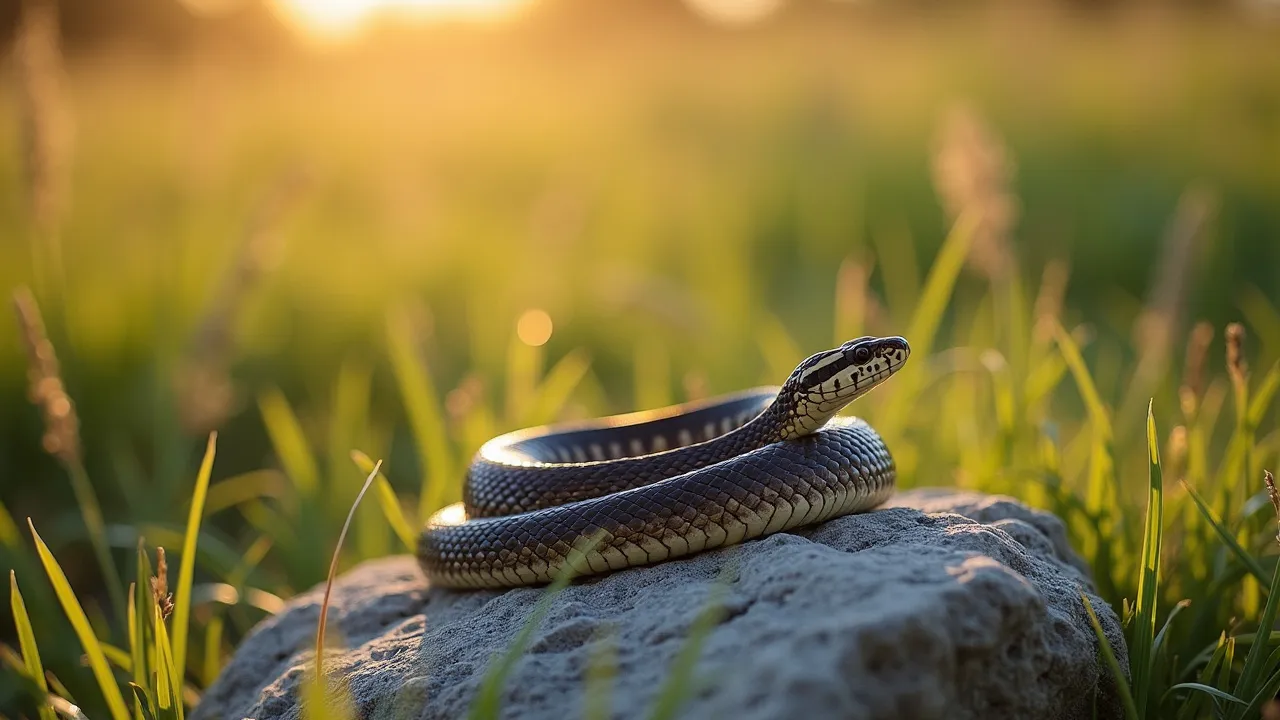
World Snake Day, observed on July 16th, aims to dispel myths and promote conservation of snakes worldwide. Celebrate by learning about their ecological importance and supporting protection efforts.
The Historical Origins & Evolutionary Journey
World Snake Day was first established in 2007 by a coalition of herpetologists and conservationists to address widespread snake persecution and ignorance. The day quickly gained traction through grassroots campaigns and social media.
The Foundational Catalyst
The primary catalyst was the alarming rate of snake killings due to fear and misinformation. Conservation groups like the Global Snake Conservation Initiative recognized the need for a dedicated awareness day to highlight snakes' roles as pest controllers and ecosystem indicators.
The Legislative/Official Adoption
While not an official UN holiday, World Snake Day has been adopted by numerous zoos, museums, and wildlife organizations. Many countries, including India, Brazil, and Australia, use the day to launch snakebite mitigation programs and habitat restoration projects.
Modern Global Legacy
Today, World Snake Day is marked by hundreds of events worldwide, from snake handling workshops to documentary screenings. The day has contributed to shifting public perception, with increased support for anti-venom research and snake-friendly farming practices.
How to Celebrate World Snake Day
Celebrating World Snake Day can be done in many ways, from personal education to community action. Here are the ultimate strategies:
- Educate Yourself: Read books or watch documentaries on snake biology and conservation.
- Support Conservation: Donate to organizations like Save The Snakes or the Global Snake Conservation Initiative.
- Visit a Zoo or Reptile Sanctuary: Many facilities offer special snake exhibits on July 16th.
- Dispel Myths: Share factual posts on social media using #WorldSnakeDay.
- Participate in Citizen Science: Report snake sightings to local herpetology databases.
- Organize a snake awareness assembly with live (safe) snake demonstrations.
- Create snake-themed art projects that emphasize conservation.
- Invite a herpetologist to speak about local snake species.
- Fund snake habitat restoration projects.
- Distribute educational pamphlets on snakebite first aid.
- Host a webinar on the importance of snakes in agriculture.
School and Community Activities
Corporate and Organizational Actions
The Ecological Importance of Snakes
Snakes are keystone predators that maintain ecological balance. They control rodent populations, reducing crop damage and disease spread. A single snake can consume dozens of rodents annually. Moreover, snakes serve as prey for birds of prey and mammals, integrating into the food web. Their presence indicates healthy ecosystems. Without snakes, rodent populations could explode, leading to agricultural losses and increased zoonotic diseases. Conservation of snake habitats thus directly benefits human communities.
Snake Conservation Challenges
Major Threats
- Habitat Destruction: Urbanization and agriculture reduce snake living spaces.
- Persecution: Many snakes are killed out of fear, especially venomous species.
- Illegal Wildlife Trade: Snakes are captured for exotic pets, skins, and traditional medicine.
- Climate Change: Alters thermoregulation and prey availability.
Conservation Efforts
Efforts include habitat preservation, captive breeding programs, and public education. Organizations work with local communities to reduce human-snake conflict through safe relocation methods and awareness of snake behavior.Cultural Perceptions and Myths About Snakes
Snakes feature prominently in mythology and religion, often symbolizing both good and evil. In many cultures, snakes are revered as symbols of fertility or wisdom (e.g., the caduceus). However, Western media often portrays them as dangerous, leading to widespread fear. Myths like "snakes chase people" or "they drink milk" are false. Education is key to dispelling these myths. World Snake Day promotes a balanced view: respecting snakes' power while understanding their ecological value.
Snakebites and Public Health
Snakebites are a neglected tropical disease, causing up to 138,000 deaths annually worldwide. Most bites occur in rural areas with poor access to healthcare. World Snake Day highlights the need for better antivenom distribution and first-aid training. Prevention tips:
- Wear boots and long pants in snake-prone areas.
- Use a flashlight at night.
- Do not attempt to handle or kill snakes.
Organizations like the World Health Organization are working to reduce snakebite mortality by 50% by 2030.
Historical Timeline
First World Snake Day observed by a coalition of herpetologists and conservation groups.
The Global Snake Conservation Initiative launches annual awareness campaigns.
Major zoos worldwide begin hosting snake exhibitions on July 16th.
The day is endorsed by the International Union for Conservation of Nature (IUCN) Snake Specialist Group.
World Snake Day gains international media coverage, leading to policy discussions on snakebite treatment.
Virtual events dominate due to COVID-19, reaching a global audience online.
Over 500 registered events in 60 countries, including snake relase programs and educational webinars.