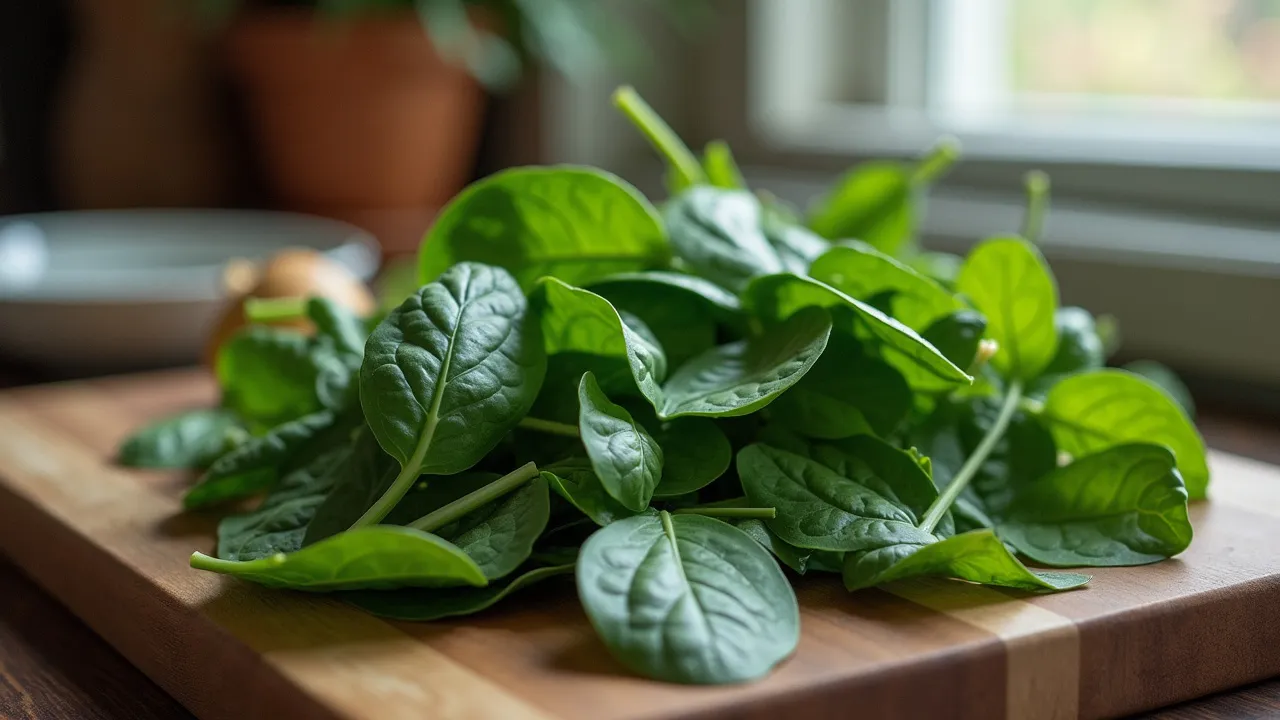
Fresh Spinach Day is celebrated annually on July 16th, encouraging people to enjoy the nutritional powerhouse of spinach in various dishes. From salads to smoothies, this day highlights the health benefits and versatility of fresh spinach.
The Historical Origins & Evolutionary Journey
Fresh Spinach Day, observed annually on July 16th, is a celebration of one of the most nutrient-dense leafy greens in the world. While the exact origins of this food holiday are not formally recorded, it is believed to have been established by the National Day Calendar as part of a broader initiative to promote healthy eating and agricultural awareness. The day’s placement in mid-summer aligns perfectly with spinach’s peak growing season in many regions, making it a natural time to highlight fresh, locally grown produce.
The Foundational Catalyst: Spinach Through the Ages
Spinach (Spinacia oleracea) has a long and storied history. It was first cultivated in ancient Persia (modern-day Iran) over 2,000 years ago and later introduced to China and Europe via the Silk Road. By the 14th century, spinach had become a staple in Mediterranean cuisine, valued for its ability to thrive in cool climates and its impressive nutritional profile. The vegetable gained further prominence in the United States during the 19th century, thanks to immigrants who brought recipes and cultivation techniques. Popeye the Sailor Man, a cartoon character introduced in 1929, famously boosted spinach consumption by 33% during the Great Depression, as the character’s strength was attributed to the green. This cultural moment cemented spinach’s reputation as a superfood and likely influenced the eventual creation of a dedicated observance.
The Legislative/Official Adoption
Unlike some national holidays, Fresh Spinach Day is not the result of a government proclamation. Instead, it emerged from the food holiday movement, where organizations like the National Day Calendar register and promote informal observances. These days are often championed by agricultural groups, health advocates, and food bloggers to encourage public engagement. The specific date of July 16th may have been chosen to coincide with the peak harvest season for spinach in the Northern Hemisphere, ensuring that fresh, high-quality leaves are widely available. While there is no formal legislative record, the day has been embraced by gardening communities, nutritionists, and culinary enthusiasts across the United States and beyond.
Modern Global Legacy
Today, Fresh Spinach Day is celebrated not only in the U.S. but also in other countries where spinach is a dietary staple. Many nations have their own spinach festivals or incorporate the day into broader food awareness campaigns. The observance has evolved from a simple promotional gimmick into a platform for discussing sustainable agriculture, plant-based nutrition, and culinary creativity. Social media plays a significant role, with hashtags like #FreshSpinachDay and #SpinachLovers trending annually. As consumers increasingly seek out whole foods and farm-to-table experiences, this day serves as a reminder of the simple pleasures and profound benefits of eating fresh, unprocessed greens.
How to Celebrate Fresh Spinach Day
Fresh Spinach Day offers countless opportunities to appreciate this versatile green. Whether you are a home cook, a gardening enthusiast, or a health-conscious individual, there are many ways to participate. Below are actionable strategies for individuals, schools, and organizations to make the most of July 16th.
For Individuals and Families
- Cook a Spinach-Centric Meal: Prepare dishes where spinach takes center stage, such as creamy spinach lasagna, spinach and feta stuffed chicken, or a simple wilted spinach salad with warm bacon dressing. Experiment with international recipes like Indian palak paneer or Greek spanakopita.
- Blend a Green Smoothie: Start the day with a nutrient-packed smoothie combining fresh spinach, banana, mango, and almond milk. Spinach is rich in iron and vitamins A and C, making it an ideal base for a morning energy boost.
- Visit a Local Farmers Market: Seek out farm-fresh spinach and talk to growers about their cultivation methods. Many markets offer cooking demonstrations or tasting samples on this day.
- Plant Your Own Spinach: Even if you have limited space, spinach grows well in containers. Plant seeds in a sunny spot for a continuous harvest throughout the summer.
For Schools and Educational Institutions
- Nutrition Workshops: Organize a session for students to learn about the health benefits of spinach and other leafy greens. Include a taste test of raw vs. cooked spinach to illustrate taste differences.
- Gardening Projects: Start a small school garden with spinach beds. Teach children about plant life cycles, soil health, and the importance of fresh produce.
- Art and Writing Contests: Encourage students to create posters, poems, or short stories about spinach. Display the works in the cafeteria or school hallways to spread awareness.
For Organizations and Restaurants
- Feature Spinach Specials: Restaurants can offer a limited-time spinach menu item, such as a spinach and artichoke dip appetizer or a spinach-based pizza. Promote the special on social media with the hashtag #FreshSpinachDay.
- Community Workshops: Hold a free virtual class on how to grow spinach at home or how to incorporate more greens into a balanced diet. Partner with local dietitians for credibility.
- Corporate Wellness Events: Companies can host a “Spinach Lunch” for employees, providing salads and smoothies to encourage healthy eating habits at work.
Celebration Dynamics Across Countries and Cultures
While Fresh Spinach Day is primarily a U.S. observance, countries with deep spinach traditions have adapted it to their own culinary frameworks. In India, spinach (palak) is a staple in dishes like palak paneer and saag, and the day is often marked by celebrating regional greens. In Mediterranean nations, spinach is paired with feta cheese and filo dough for pastries. In Japan, spinach is often used in goma-ae (sesame dressing) and is highlighted in health food stores. The universal appeal of spinach lies in its adaptability; no matter where you are, finding a way to enjoy fresh leaves is simple and rewarding.
The Nutritional Powerhouse: Health Benefits of Fresh Spinach
Spinach is often hailed as a superfood, and for good reason. It is packed with essential vitamins, minerals, and antioxidants that support overall health. The day serves as a perfect opportunity to delve into the science behind its benefits and why incorporating fresh spinach into your diet can make a significant difference.
Key Nutrients and Their Roles
- Iron: Spinach is a great source of non-heme iron, which is vital for oxygen transport and energy production. Pairing spinach with vitamin C-rich foods (like citrus fruits) enhances absorption.
- Vitamin K: A single cup of raw spinach provides over 100% of the daily recommended intake of vitamin K, which is crucial for blood clotting and bone health.
- Vitamin A: In the form of beta-carotene, spinach supports eye health, immune function, and skin integrity.
- Folate: Essential for cell division and DNA synthesis, folate is particularly important for pregnant women to prevent neural tube defects.
- Magnesium: Helps regulate muscle and nerve function, blood sugar levels, and blood pressure.
- Antioxidants: Spinach contains flavonoids and carotenoids such as lutein and zeaxanthin, which protect against oxidative stress and may reduce the risk of chronic diseases like heart disease and cancer.
Health Benefits Supported by Research
Numerous studies have linked spinach consumption to improved health outcomes. For instance, a 2016 meta-analysis found that higher intake of leafy greens like spinach is associated with a reduced risk of type 2 diabetes due to their fiber and magnesium content. The lutein in spinach has been shown to lower the risk of age-related macular degeneration, a leading cause of blindness. Additionally, the nitrates in spinach may improve blood flow and lower blood pressure, as demonstrated in a 2013 study published in the Journal of Nutrition. Chronic inflammation is also moderated by spinach's anti-inflammatory compounds, making it a valuable food for overall wellness.
Fresh vs. Frozen: Which Is Better?
While fresh spinach is celebrated on this day, frozen spinach retains most of its nutritional value and can be a convenient alternative. Fresh spinach has a higher content of vitamin C, which degrades over time, while frozen spinach may have higher levels of certain minerals due to processing. Ultimately, both forms are excellent choices, but fresh spinach offers superior texture and flavor for salads and minimal cooking. On Fresh Spinach Day, prioritize fresh leaves to enjoy their crispness and peak-season taste.
Culinary Versatility: From Garden to Table
One of the most remarkable qualities of fresh spinach is its culinary versatility. It can be eaten raw or cooked, and its mild flavor allows it to blend seamlessly into a wide variety of cuisines. This section explores different preparation methods and some of the most beloved recipes from around the world.
Raw Preparations
Fresh spinach is a fantastic base for salads. Its tender leaves pair well with fruits, nuts, cheeses, and light vinaigrettes. A classic combination is spinach, strawberries, goat cheese, and balsamic glaze. Spinach can also be used as a green in sandwiches and wraps, adding a nutritional boost without overpowering other ingredients. For a quick snack, roll fresh spinach leaves with hummus or cream cheese.
Cooked Dishes
Cooking spinach reduces its volume significantly, making it easy to incorporate into dishes. Sautéing with garlic and olive oil is a timeless side dish. Common cooked recipes include:
- Spanakopita: A Greek phyllo pastry filled with spinach, feta, and herbs.
- Palak Paneer: An Indian curry made with spinach puree and cubes of Indian cheese.
- Creamed Spinach: A luxurious side dish of spinach cooked with cream, butter, and Parmesan cheese.
- Spinach Quiche: A savory tart with eggs, cream, cheese, and spinach.
Smoothies and Juices
Spinach is a popular addition to green smoothies and juices because its mild flavor doesn't mask fruit tastes. A typical recipe includes a handful of spinach, banana, apple, ginger, and a liquid base like coconut water. For those new to green smoothies, starting with more fruit and less spinach is recommended until the palate adjusts.
Preserving Spinach
To enjoy fresh spinach beyond its season, consider preserving it. Freezing is the simplest method: blanch leaves for two minutes, plunge into ice water, dry thoroughly, and pack in freezer bags. Dehydrating spinach yields a powder that can be added to soups, sauces, or baked goods for a nutrient boost. These techniques ensure that the spirit of Fresh Spinach Day can be carried into colder months.
Global Spinach Culture: How Different Countries Embrace the Leafy Green
Spinach is a global ingredient, but its role and cultural significance vary widely. On Fresh Spinach Day, it is enlightening to see how different regions have integrated spinach into their culinary traditions and agricultural practices.
India: The Land of Palak
In India, spinach (palak) is a cornerstone of vegetarian cooking. Palak paneer is arguably the most famous dish, but spinach is also used in daals (lentil soups), parathas (stuffed breads), and sabzis (stir-fries). The climate in some parts of India allows for year-round cultivation, and spinach is often grown in home gardens. The cultural perception of spinach is highly positive, tied to its perceived strength-giving properties.
Mediterranean Region: Spinach in Greek and Italian Cuisine
Greece uses spinach in spanakopita and rice dishes, while Italy incorporates it into pasta fillings, frittatas, and salads. In these cuisines, spinach is often paired with cheeses like feta or ricotta. The Mediterranean diet, recognized for its health benefits, includes abundant leafy greens, and spinach is a key component.
Japan and East Asia
In Japan, spinach is commonly blanched and dressed with soy sauce and sesame seeds (goma-ae). It is also used in miso soups and tempura. In China, spinach is stir-fried with garlic or added to soups. The Asian approach typically involves quick cooking to retain texture and nutrient content.
United States: The Popeye Effect
The United States has a unique relationship with spinach, largely due to the Popeye cartoons. The character's instant strength upon eating spinach led to a 33% increase in U.S. spinach consumption during the 1930s. Today, spinach is widely available in supermarkets and is a popular salad green, especially in pre-packaged mixes. American cuisine also features spinach in cheesy casseroles and dips.
Despite these global differences, the common thread is an appreciation for spinach's nutrition and adaptability. Fresh Spinach Day celebrates this unifying quality while also honoring local interpretations.
Environmental and Agricultural Impact of Spinach Production
Beyond nutrition and taste, Fresh Spinach Day is an opportunity to reflect on the environmental footprint of spinach cultivation. As consumers become more eco-conscious, understanding the sustainability of this crop is important.
Spinach as a Low-Impact Crop
Spinach is generally considered a low-impact crop. It requires less water than many other vegetables, such as lettuce or broccoli, due to its short growing cycle (typically 40-50 days). It can be grown in cool seasons with minimal pesticide use, especially when varieties are resistant to common diseases. Organic spinach farming is increasingly popular, reducing chemical runoff into waterways.
Challenges in Large-Scale Farming
However, industrial spinach production has environmental challenges. Heavy machinery compacts soil, and monocropping can deplete nutrients. Additionally, leafy greens are susceptible to contamination from irrigation water, leading to food safety recalls. The carbon footprint of shipping bagged spinach across the country is significant. To mitigate these issues, consumers are encouraged to buy locally grown spinach or grow their own.
The Role of Fresh Spinach Day in Promoting Sustainability
This observance can be a catalyst for raising awareness about sustainable agriculture. By choosing fresh, local spinach on July 16th, people support regional farmers and reduce transportation emissions. Gardening workshops and farm-to-table events educate communities about food systems. As climate change affects growing seasons, promoting diverse and resilient crops like spinach becomes even more critical.
Fun Facts and Trivia About Spinach
Spinach has a fascinating history and some surprising attributes. Here are some lesser-known facts to impress friends and family on Fresh Spinach Day.
- A Common Misconception: Popeye's consumption of spinach for strength led many to believe spinach was extremely high in iron. However, the iron content was actually misprinted by a scientist in 1870 – the decimal point was misplaced, making spinach appear ten times richer in iron than it is. In reality, spinach contains moderate iron, but its absorption is enhanced by vitamin C.
- Spinach Contains Oxalates: These compounds bind to calcium and may interfere with absorption. However, cooking spinach reduces oxalate levels, and the calcium in spinach is still partially bioavailable.
- Varieties Galore: There are three main types of spinach: savoy (curly leaves), flat-leaf (smooth leaves), and semi-savoy (slightly crinkled). Each has different uses – savoy is better for cooking, while flat-leaf is ideal for salads.
- Spinach in Space: Astronauts have experimented with growing spinach on the International Space Station as part of research into sustainable food sources for long-duration missions.
- Historical Use as a Dye: The green pigment in spinach can be used to dye fabrics or color foods naturally, though it is not as stable as synthetic dyes.
- Spinach Leaves Are Hydrophilic: They attract water, making them difficult to dry thoroughly after washing. Using a salad spinner is essential for crispy leaves.
Historical Timeline
Spinach is first cultivated in Persia and later introduced to China via the Silk Road, marking its earliest recorded domestication.
Spinach becomes a staple in Mediterranean cuisine, especially in Italian and Greek dishes, spreading across Europe.
Spinach is first commercially grown in the United States, primarily in Virginia and Maryland.
Popeye the Sailor Man debuts in comic strips, instantly boosting spinach consumption by 33% in the U.S. during the Great Depression.
Crystal City, Texas, becomes the 'Spinach Capital of the World' and erects a statue of Popeye to honor the vegetable's local economic impact.
Fresh spinach gains popularity as a key ingredient in bagged salad mixes, leading to a surge in convenience-driven consumption.
A major E. coli outbreak linked to bagged spinach from California highlights the need for improved food safety practices in leafy green production.
The National Day Calendar officially registers Fresh Spinach Day on July 16th, promoting the day to encourage healthy eating and support for local farmers.