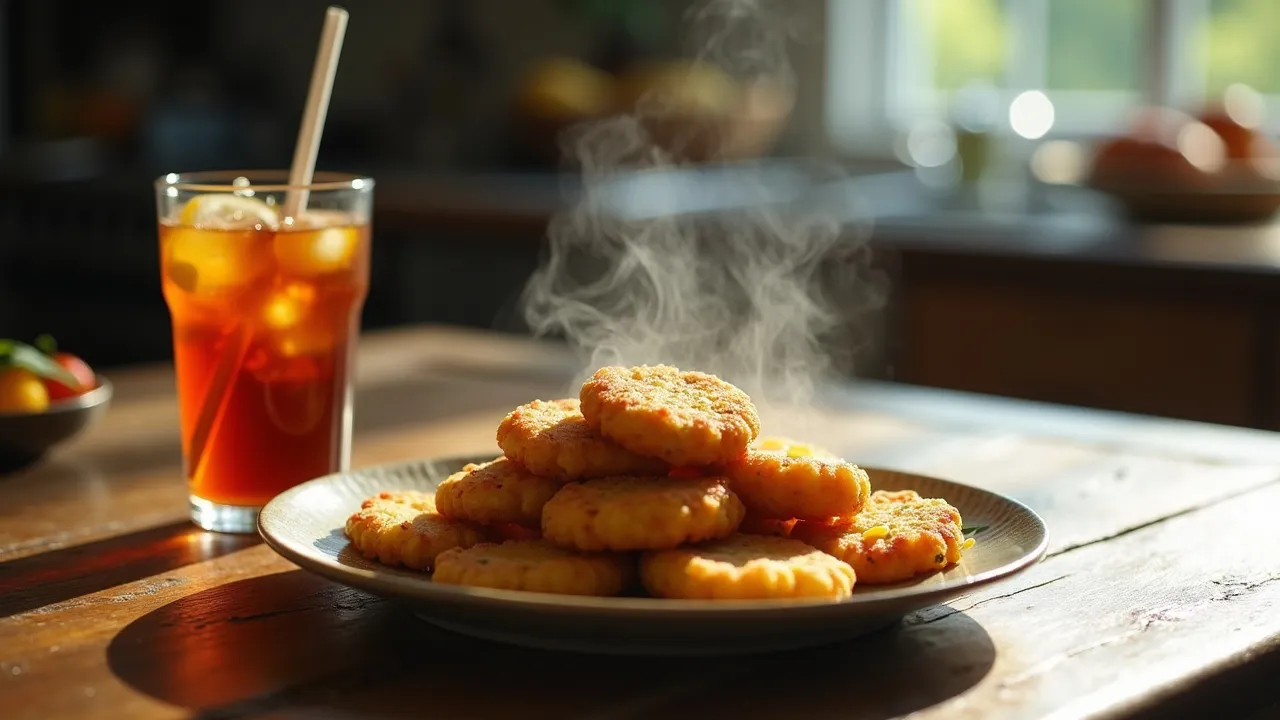
Celebrate National Corn Fritter Day on July 16th by indulging in crispy, golden corn fritters. This day honors a beloved Southern dish with deep roots in African American and Native American culinary traditions, now enjoyed worldwide in countless variations.
The Historical Origins & Evolutionary Journey
National Corn Fritter Day, observed annually on July 16th, celebrates a food that is both humble and profound. Corn fritters—deep-fried balls of cornmeal batter studded with sweet corn kernels—trace their lineage back to the indigenous peoples of the Americas and the ingenuity of enslaved Africans in the Southern United States.
The Foundational Catalyst: Indigenous and African Roots
Corn, or maize, was domesticated in Mesoamerica thousands of years ago and became a staple for Native American tribes. They ground dried corn into meal and mixed it with water to create simple flatbreads or porridges. The concept of frying corn batter in hot oil likely emerged after European contact, as deep-frying techniques were introduced from Africa and Europe.
Enslaved Africans in the American South adapted these methods, combining cornmeal with ingredients like eggs, milk, and scallions to create what we now call corn fritters. These fritters were not only a means of sustenance but also a cultural expression, using available resources to recreate flavors reminiscent of African fritters (like akara). Over time, corn fritters became a staple in soul food and Southern cuisine, often served as a side dish with fish or barbecue.
Regional Variations and Global Spread
As the dish traveled, it evolved. In the Caribbean, corn fritters (known as 'corn cakes' or 'jourma') incorporate local spices like Scotch bonnet peppers. In Latin America, 'arepas' and 'sopaipillas' share similarities. In the United States, state fairs popularized corn fritters as a fair food, often dusted with powdered sugar or drizzled with honey. Today, chefs around the world experiment with savory and sweet versions, adding cheese, jalapeños, or crab.
The Legislative/Official Adoption
Unlike official holidays, National Corn Fritter Day is an 'unofficial' food holiday—part of a growing calendar of food-themed days often promoted by food manufacturers, bloggers, and social media. There is no recorded legislation designating July 16th as Corn Fritter Day; rather, it appears to have been established by online enthusiasts and culinary websites in the early 2000s, gaining traction through shared recipes and celebrations.
Modern Global Legacy
Today, National Corn Fritter Day is celebrated across the United States and beyond. Restaurants offer specials, home cooks perfect their family recipes, and food history enthusiasts reflect on the dish's cultural significance. The day serves as a reminder of how food can bridge cultures, preserve heritage, and bring people together.
How to Celebrate National Corn Fritter Day
Whether you are a seasoned cook or a curious foodie, National Corn Fritter Day offers countless ways to honor this crispy delicacy. Below are actionable strategies for individuals, schools, and organizations to celebrate on July 16th.
For Individuals and Families
- Cook a batch of classic corn fritters: Use a traditional recipe with fresh or canned corn, cornmeal, flour, eggs, milk, and seasoning. Serve with honey, maple syrup, or hot sauce.
- Host a fritter-tasting party: Invite friends to bring different versions—savory (with cheddar and jalapeño) or sweet (with blueberries and powdered sugar).
- Visit a local Southern restaurant: Many soul food joints feature corn fritters as a side; order some to support small businesses.
- Share on social media: Post a photo of your fritters with #NationalCornFritterDay and tag friends to spread the joy.
For Schools and Educational Institutions
- History lesson: Teach students about the origins of corn, Native American agriculture, and African American contributions to Southern cuisine.
- Cooking class: Organize a safe, supervised session where students prepare corn fritters and learn about food science (e.g., why batter consistency matters).
- Cultural appreciation event: Invite a local chef or historian to discuss the role of fritters in African American heritage.
For Organizations and Businesses
- Offer a limited-time corn fritter special: Restaurants can feature a unique fritter appetizer or entree.
- Food drive: Partner with a food bank to donate canned corn and cornmeal, symbolizing the dish's core ingredients.
- Employee potluck: Encourage team members to bring homemade fritters and vote for the best recipe.
Global Celebrations
While predominantly American, the day is embraced worldwide. In the UK, corn fritters are sometimes called 'corn pancakes' and are served with bacon. In Japan, 'corn tempura' is a similar dish; some izakayas celebrate by offering free corn fritters. In South Africa, 'mielie fritters' are popular; locals add cinnamon and serve with custard. No matter where you are, the spirit of National Corn Fritter Day is about savoring the simple pleasure of fried corn.
The Cultural Significance of Corn Fritters in African American Cuisine
Corn fritters are a quintessential element of soul food, a cuisine born out of necessity and resilience. Enslaved Africans transformed limited ingredients—cornmeal, salt pork, and offal—into flavorful dishes that sustained families and communities. Fritters, in particular, were a way to use leftover cornmeal and stretch meals during lean times.
After emancipation, black cooks carried these recipes into their own kitchens and later into restaurants and cookbooks. Figures like Edna Lewis, the celebrated chef known as the 'Grand Dame of Southern Cooking,' championed corn fritters in her work, emphasizing the importance of fresh, seasonal ingredients. Today, corn fritters symbolize comfort, heritage, and the ingenuity of African American culinary traditions.
National Corn Fritter Day provides an opportunity to honor this legacy. By making and sharing fritters, we acknowledge the hands and history that shaped American food culture.
Health Considerations & Modern Twists
Traditional corn fritters are deep-fried, which can be high in fat and calories. However, health-conscious cooks can adapt the recipe without sacrificing flavor.
Healthier Alternatives
- Baking or air-frying: Using an air fryer reduces oil by up to 80% while maintaining crispiness.
- Whole-grain flours: Substitute part of the all-purpose flour with whole wheat or corn flour for added fiber.
- Add vegetables: Mix in shredded zucchini, chopped bell peppers, or spinach to boost nutrients.
- Reduce sodium: Use herbs and spices like paprika, garlic powder, or cumin instead of salt.
Global Health Twists
In Mexico, 'elotes fritos' (fried corn) often include cotija cheese and lime. In India, 'bhutta fritters' use chickpea flour (besan) to make them gluten-free. These variations show that corn fritters can adapt to dietary needs worldwide.
As with any indulgence, moderation is key. Enjoy your fritters on July 16th as part of a balanced diet.
Corn Fritters in Popular Culture & Media
Corn fritters have made appearances in literature, film, and television, often as a symbol of comfort and home.
- Books: In Harper Lee's To Kill a Mockingbird, the character Calpurnia serves corn fritters to Scout and Jem, representing warmth and care.
- TV Shows: In The Fresh Prince of Bel-Air, Will Smith's character reminisces about his grandmother's corn fritters. Shows like Top Chef have featured corn fritter challenges.
- Music: Country singers often reference corn fritters in lyrics about Southern life and simplicity.
These cultural touchpoints underscore how deeply corn fritters are embedded in the American psyche—not just as food, but as a narrative device evoking nostalgia and authenticity.
Economic Impact of Corn Fritter Day
While a single food holiday may seem minor, National Corn Fritter Day contributes to the broader food economy.
- Corn sales: July 16th falls in peak sweet corn season in the US, boosting demand for fresh corn at farmers' markets and grocery stores.
- Restaurant promotions: Southern-style chains like Cracker Barrel and Popeyes may run limited-time offers, driving foot traffic.
- Social media engagement: The event generates millions of impressions on platforms like Instagram and Pinterest, benefiting food bloggers and content creators.
- Corn industry: The day indirectly supports the US corn industry, which produces over 13 billion bushels annually.
Moreover, the celebration encourages culinary tourism—people may visit regions known for their fritters, such as the Deep South or the Caribbean.
Environmental and Agricultural Connections
Corn fritters highlight the importance of corn as a global crop. However, corn agriculture has environmental implications.
Corn Farming and Sustainability
Most corn grown in the US is field corn (for feed and ethanol), not sweet corn. Sweet corn, used for fritters, is typically grown on smaller farms and often employs more sustainable practices. In contrast, industrial corn farming relies heavily on fertilizers, pesticides, and irrigation, contributing to soil degradation and water pollution.
Consumers celebrating National Corn Fritter Day can make eco-friendly choices:
- Buy organic or local sweet corn to support farmers who use fewer chemicals.
- Reduce food waste by using the entire cob—corn milk from scraped cobs can flavor the batter.
- Choose non-GMO corn to avoid supporting genetically modified varieties that require more chemicals.
By being mindful, the day can promote a more sustainable food system.
The Science of Perfect Corn Fritters
Achieving the ideal corn fritter—crispy exterior, tender interior, and bursts of sweet corn—requires understanding food science.
Key Ingredients and Their Roles
- Cornmeal: Provides texture and structure. Fine cornmeal yields a smoother fritter, while coarse meal gives a crunchier bite.
- Flour: All-purpose flour adds gluten for binding. Too much makes fritters tough; too little makes them fall apart.
- Eggs: Act as a binder and help with browning.
- Leavening agents: Baking powder introduces bubbles for a lighter texture.
- Oil temperature: Ideal frying temp is 350°F (175°C). Too low: oil soaks in; too high: outside burns before inside cooks.
Tips from Chefs
- Pat corn kernels dry before adding to batter to reduce excess moisture.
- Rest the batter for 10 minutes before frying to allow gluten to relax.
- Use a small ice cream scoop for uniform fritters that cook evenly.
Mastering these techniques ensures your National Corn Fritter Day celebration is deliciously memorable.
Historical Timeline
Maize (corn) is first domesticated by indigenous peoples in Mesoamerica, laying the foundation for future corn-based dishes.
The first enslaved Africans arrive in Virginia, bringing with them knowledge of deep-frying and battering, which influences the development of corn fritters.
The first cookbook by an African American, 'The Kentucky Housewife' by Lettice Bryan, includes a recipe for 'Indian Fritters' made with cornmeal.
Corn fritters become a popular dish during the Great Depression due to their inexpensive ingredients and filling nature.
State fairs across the US begin featuring corn fritters as a staple fair food, often served with powdered sugar.
Soul food restaurants gain national recognition, and corn fritters are highlighted as a representative dish of African American cuisine.
National Corn Fritter Day emerges as an unofficial food holiday on July 16th, promoted by food blogs and social media.
During the COVID-19 pandemic, home cooking surges, and corn fritter recipes see increased online searches and shares.