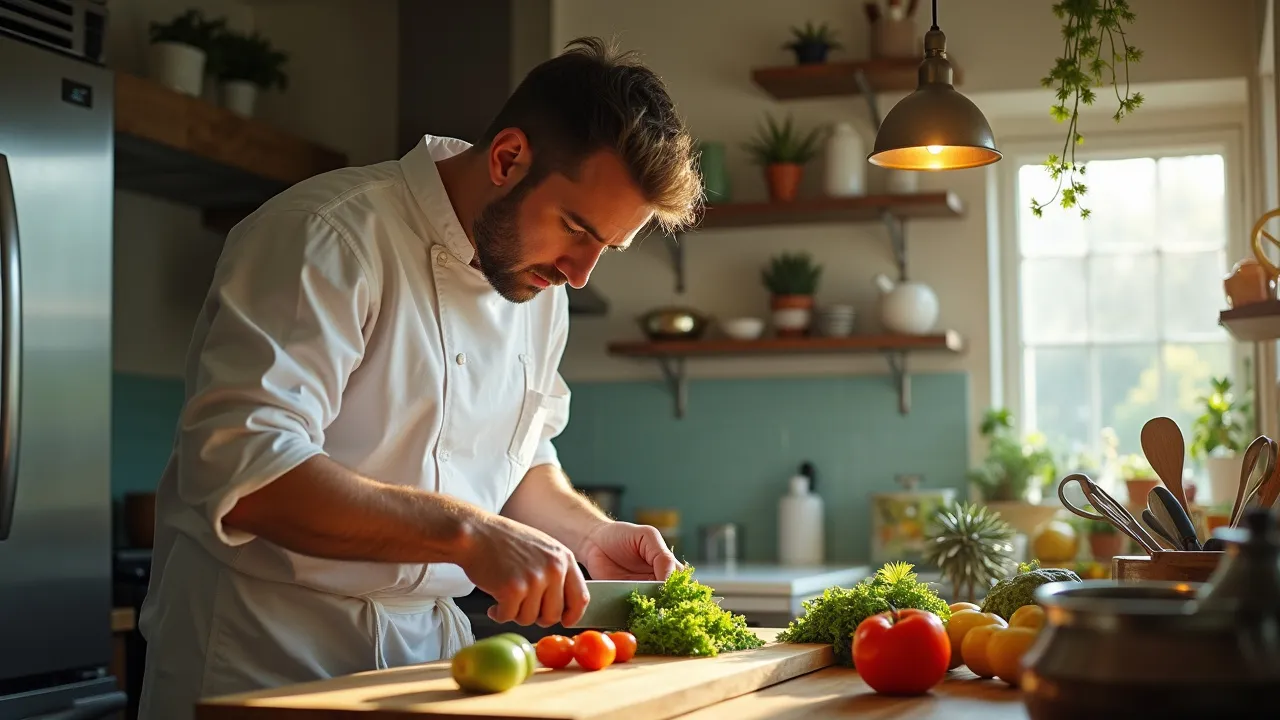
National Personal Chef Day, observed on July 16th, honors the professionals who provide customized meal preparation services in clients' homes. It celebrates the convenience, health benefits, and culinary expertise personal chefs bring to busy individuals and families.
The Historical Origins & Evolutionary Journey
National Personal Chef Day was established to recognize the growing industry of personal chefs who provide tailored culinary services to clients in their own homes. The day traces its roots to the late 20th century when the demand for personalized meal solutions began to rise and change the American kitchen.
The Foundational Catalyst
Before the 1990s, the concept of hiring a personal chef was largely reserved for the wealthy or celebrities. The modern personal chef emerged as a response to changing lifestyles: dual-income households, longer work hours, and a growing emphasis on health and convenience. In 1995, the United States Personal Chef Association (USPCA) was founded to support this nascent profession by setting standards, providing training, and advocating for the industry.
The Legislative/Official Adoption
In 1999, the USPCA officially declared July 16th as National Personal Chef Day. The date was chosen to coincide with the association's annual conference and to highlight the mid-summer period when many families seek convenient meal solutions. The day was recognized by the U.S. Patent and Trademark Office and quickly gained traction through media coverage and industry events.
Modern Global Legacy
Today, personal chefs are a staple in many countries, offering services that range from weekly meal prep to special event catering. The day has expanded beyond the United States, with personal chef associations in Canada, the UK, and Australia adopting similar celebrations. Technological advancements, such as meal planning apps and online booking platforms, have further democratized access to personal chef services, making the profession more accessible to a broader demographic.
How to Celebrate National Personal Chef Day
National Personal Chef Day offers a perfect opportunity to appreciate the culinary professionals who simplify lives and elevate dining experiences. Whether you are a client, a budding chef, or just someone who loves good food, here are meaningful ways to participate.
For Individuals and Families
- Hire a personal chef for a trial meal: Many chefs offer introductory packages. Experience the convenience and taste firsthand.
- Gift a personal chef service: Purchase a session for a busy friend or relative—a thoughtful present that reduces their stress.
- Share your chef’s story: Post a photo and testimonial on social media using #NationalPersonalChefDay to spread awareness.
- Prepare a meal together: Ask your personal chef for a cooking lesson or involve your family in meal prep to understand the artistry behind the service.
For Schools and Culinary Institutions
- Workshop on personal chef career: Invite a local personal chef to speak about the business side, menu planning, and nutrition.
- Cooking competition: Host a 'future personal chef' contest where students prepare meals for a mock client with dietary restrictions.
- Community meal program: Partner with personal chefs to prepare nutritious meals for underserved families, highlighting the social impact of the profession.
For Organizations and Corporations
- Employee appreciation: Sponsor a personal chef lunch or offer a discounted introductory session as a wellness benefit.
- Networking event: Host a tasting event where multiple personal chefs showcase their specialties, allowing clients to meet potential hires.
- Charity collaboration: Organize a 'chefs for a cause' fundraiser where personal chefs donate their time and skills to raise money for local food banks.
Regional Variations Worldwide
In Canada, National Personal Chef Day is celebrated concurrently with July 16th, but with a focus on seasonal, farm-to-table ingredients. In the United Kingdom, personal chefs often host "dine-in" events for neighbors. In Australia, the day aligns with winter comfort food, emphasizing hearty, warming meals. In Japan, personal chefs (known as 'katei ryōri no sensei') offer traditional kaiseki-style meal prep. In the Middle East, the day highlights personal chefs who specialize in halal and Mediterranean cuisines. Across Europe, the trend leans toward sustainable, zero-waste cooking, with chefs using locally sourced produce.
The Professional Landscape: Training, Certification, and Business Models
Becoming a personal chef requires a blend of culinary skills, business acumen, and client management. The industry has matured significantly since its inception, with formal training programs, certification bodies, and diverse business models.
Training and Certification
The USPCA and the American Personal & Private Chef Association (APPCA) offer rigorous certification programs that cover sanitation, menu planning, dietary restrictions, and entrepreneurship. Many personal chefs also hold degrees from culinary institutes. Continuing education in areas like allergen-free cooking, diabetes management, and corporate dining enhances credibility.
Business Models
- Full-service personal chef: Plans menus, shops for groceries, cooks, and packages meals for the week.
- Private chef: Works exclusively for one household, often living on-site or coming regularly.
- Event-based chef: Provides cooking for parties, holidays, or special occasions.
- Virtual chef: Offers menu consultations and meal plans without physical cooking, a trend accelerated by the pandemic.
- Specialized chef: Focuses on niche diets (e.g., keto, vegan, paleo) or cuisines.
Economic Impact
The personal chef industry has grown steadily, with over 10,000 professionals in the US alone. The median annual income ranges from $35,000 to $75,000, with top earners exceeding $100,000. The rise of online platforms like Book a Chef, CookinGenie, and Thriver has expanded market reach, especially in urban areas. The COVID-19 pandemic boosted demand as people sought safe, customized meal deliveries.
Health, Nutrition, and Dietary Customization
One of the greatest advantages of hiring a personal chef is the ability to tailor meals to specific health goals and dietary needs. This section explores how personal chefs contribute to better nutrition and overall well-being.
Managing Chronic Conditions
Personal chefs regularly work with clients who have diabetes, heart disease, food allergies, or autoimmune disorders. By designing menus that control sodium, sugar, or gluten, they help clients adhere to medical diets without sacrificing taste. Studies show that individuals with chronic conditions who use meal services report higher satisfaction and better adherence.
Weight Management and Wellness
Many personal chefs specialize in portion-controlled, nutrient-dense meals that support weight loss or athletic performance. They collaborate with dietitians to create balanced plans, often incorporating superfoods, probiotics, and anti-inflammatory ingredients. The convenience factor reduces reliance on fast food and processed snacks.
Special Diets and Preferences
- Vegan/Vegetarian: Creative plant-based recipes rich in protein and flavor.
- Gluten-Free: Avoiding cross-contamination with alternative grains and starches.
- Paleo/Keto: High-fat, low-carb options using fresh ingredients.
- Low-FODMAP: For individuals with IBS, carefully selected produce and grains.
- Allergen-Free: Nut-free, dairy-free, soy-free, etc., for sensitive individuals.
Furthermore, personal chefs often source organic and locally grown ingredients, reducing exposure to pesticides and supporting sustainable agriculture. They also minimize food waste by using scraps for stocks or compost, aligning with eco-conscious values.
Impact on Work-Life Balance and Family Dynamics
The modern family faces a perennial struggle: juggling careers, children, and household chores, with meal time often becoming a source of stress. Personal chefs offer a solution that redefines how families interact with food.
Time Saved
On average, a personal chef saves a client 10 to 15 hours per week that would otherwise be spent on meal planning, grocery shopping, cooking, and cleanup. This reclaimed time can be redirected toward family activities, exercise, hobbies, or rest—critical for mental health and productivity.
Reducing Meal Time Stress
Decision fatigue from answering "What's for dinner?" daily is eliminated. Families enjoy varied, restaurant-quality meals without conflict or last-minute takeout orders. Sitting down to a home-cooked meal together fosters communication and stronger bonds.
Educational Opportunities
Children exposed to a personal chef often develop broader palates and an appreciation for fresh ingredients. Some chefs involve children in simple kitchen tasks, teaching basic cooking skills and food science. Families also learn about nutritional value and can request meals that introduce new cultures—Italian, Thai, Ethiopian, etc.
Elderly and Special Needs Support
Personal chefs increasingly serve seniors who can no longer cook safely, as well as individuals with disabilities. They ensure meals are easy to reheat, properly textured for swallowing difficulties, and packed with essential nutrients. This service enables independent living and reduces the caregiver burden.
Technology, Trends, and the Future of Personal Chefs
The personal chef industry is evolving rapidly, driven by technology, changing consumer preferences, and global events. This section examines the trends shaping the profession and what lies ahead.
Digital Platforms and Automation
Online marketplaces like Kitch, Shef, and Yummy have emerged, connecting clients with chefs through apps. These platforms offer reviews, dietary filters, and subscription models. AI-assisted meal planning tools help chefs optimize menus based on preferences and nutritional goals. Grocery delivery services (Instacart, Amazon Fresh) integrate with chefs to streamline shopping.
Meal Kit Hybrids
Some personal chefs now offer a hybrid model: delivering pre-portioned ingredients with video instructions for clients to cook themselves (often called "meal kits with a personal touch"). This appeals to those who enjoy cooking but lack planning time.
Sustainability and Zero-Waste Cooking
Eco-conscious clients demand sustainable practices. Personal chefs respond by minimizing packaging, choosing seasonal produce, composting scraps, and using whole-animal butchery. Some specialize in plant-forward menus to reduce carbon footprint.
Health-Tech Integration
Wearable devices and health apps now sync with personal chef services. A client's glucose monitor or fitness tracker can automatically adjust meal plans—for example, increasing protein after a workout or reducing carbs if blood sugar spikes.
Future Predictions
- Chef Robotic Assistance: AI-powered appliances (like smart ovens) that chefs can pre-program for clients.
- Blockchain for Transparency: Tamper-proof records of ingredient sourcing and allergens.
- Virtual Reality Tastings: Clients "sample" dishes through VR before ordering.
- Expansion into Corporate Wellness: More companies offering personal chef benefits as part of employee health packages.
- Global Fusion: Chefs increasingly blend cuisines to cater to multicultural households.
National Personal Chef Day not only celebrates the existing community but also inspires innovation and professionalism in a field that directly enhances quality of life.
Historical Timeline
The concept of a 'personal chef' begins to emerge as an alternative to traditional catering, with a few pioneering professionals offering weekly meal preparation services in major U.S. cities.
The United States Personal Chef Association (USPCA) is founded to establish industry standards, provide training, and advocate for the profession.
The USPCA declares July 16th as National Personal Chef Day, coinciding with the association's annual conference. The day receives official recognition from the U.S. Patent and Trademark Office.
The American Personal & Private Chef Association (APPCA) is founded, offering certification and support, further professionalizing the industry.
National Personal Chef Day gains media traction with features in major publications like Bon Appétit and The New York Times, highlighting the lifestyle benefits.
The rise of online platforms like Thriver and CookinGenie allows personal chefs to market their services nationally, expanding clientele beyond affluent neighborhoods.
Personal chef services become a popular employee benefit in Silicon Valley, with companies like Google and Facebook offering subsidized meal preparation for staff.
The COVID-19 pandemic boosts demand for personal chefs as families seek safe, contactless meal deliveries and individuals work from home, valuing convenience and health.
National Personal Chef Day is celebrated globally, with virtual events and social media campaigns reaching millions. The industry now spans over 15,000 professionals worldwide.