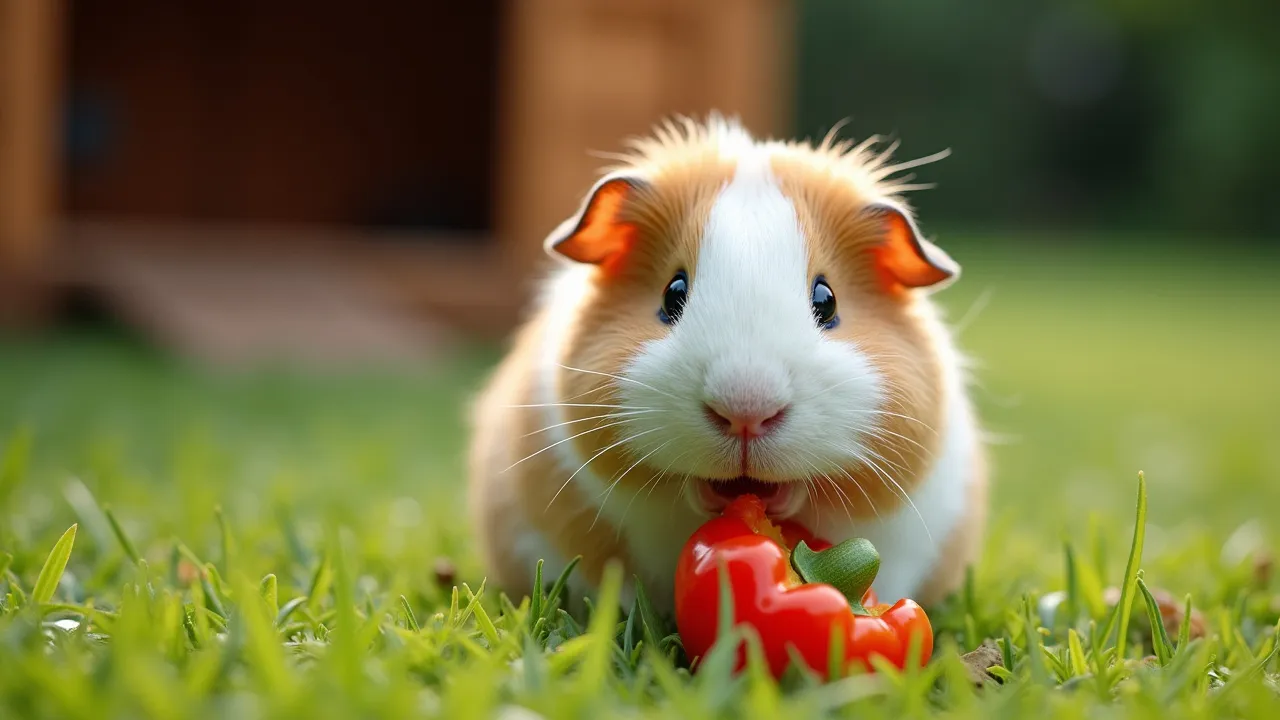
Observed on July 16th, Guinea Pig Appreciation Day honors the beloved cavy. Learn about the day's history, global traditions, and how to celebrate with your furry friend.
History of Guinea Pig Appreciation Day
Guinea Pig Appreciation Day, observed annually on July 16th, is a day dedicated to celebrating the humble yet adored guinea pig. While the exact origins of this observance are not officially recorded, it is widely believed to have emerged from a grassroots movement of cavy enthusiasts and animal welfare advocates around 2015. The day was created to raise awareness about responsible pet ownership, promote adoption, and highlight the unique charm of guinea pigs as companion animals.
The Foundational Catalyst
The growing popularity of guinea pigs as family pets in the early 2000s led to a need for a dedicated day of recognition. Social media communities, forums like Guinea Pig Cages and Guinea Lynx, and local rescue organizations began informally marking a summer date to share stories, photos, and care tips. The choice of July 16th is thought to coincide with the peak of the "baby season" for guinea pigs in the Northern Hemisphere, when many litters are born, making it an ideal time to promote adoption and spay/neuter awareness.
Official Adoption and Global Spread
By 2018, the day had gained enough traction to be listed on several major holiday calendars, including National Day Calendar in the United States. However, it remains a non-legislated observance, driven entirely by passionate communities. In recent years, animal shelters, pet stores, and online influencers have amplified the day, using hashtags like #GuineaPigAppreciationDay and #CavyLove to reach millions.
Modern Global Legacy
Today, Guinea Pig Appreciation Day is celebrated across North America, Europe, Australia, and parts of Asia. It serves as a platform for education on proper housing, diet, and veterinary care. The observance has also spurred local events, such as "cavy shows" and adoption drives, solidifying its role in the broader animal welfare movement.
How to Celebrate Guinea Pig Appreciation Day
Whether you are a seasoned cavy owner or simply an admirer, there are numerous ways to join the celebration. Here is a definitive guide to making the most of July 16th.
For Individual Owners
- Spoil your guinea pig: Prepare a special treat basket with fresh veggies like bell peppers, cilantro, and a small piece of fruit. Ensure all treats are safe for guinea pigs.
- Enrichment boost: Create a new hideout using a cardboard box with multiple holes, or introduce a new chew toy. Guinea pigs thrive on environmental enrichment.
- Photo session: Capture high-quality candid photos of your pet in natural light and share them on social media with the hashtag #GuineaPigAppreciationDay.
- Health check: Perform a thorough at-home health inspection—check nails, teeth, ears, and weight. Schedule a vet appointment if needed.
For Families and Schools
- Read a book about guinea pigs: Choose age-appropriate titles like "Guinea Pigs" by Lisa J. Amstutz or "The Guinea Pig Handbook" by Sharon Vanderlip DVM.
- Host a "cavy corner": Set up a small guinea pig-themed area with facts, crafts, and a live (or stuffed) guinea pig for children to observe safely.
- Donate supplies: Collect hay, pellets, fleece liners, or toys and donate to a local animal shelter or guinea pig rescue.
For Animal Welfare Organizations
- Adoption event: Partner with nearby pet stores or community centers to host an adoption fair. Offer reduced adoption fees for bonded pairs.
- Educational webinar: Host a live session on YouTube or Facebook covering guinea pig care basics, common myths, and the importance of adopting.
- Fundraising: Launch a campaign to support veterinary care for rescued guinea pigs. Use platforms like GoFundMe or Facebook fundraisers.
Global Celebration Ideas
In the United Kingdom, some enthusiasts organize "cavy picnics" where owners bring their guinea pigs to a park for supervised socializing. In Japan, guinea pigs are often featured in pop-up cafes for the day, offering patrons a chance to interact with adoptable animals. In Australia, rescue groups hold online silent auctions for handmade guinea pig accessories. Wherever you are, the key is to spread love and awareness for these gentle creatures.
Cultural Significance of Guinea Pigs Around the World
Guinea pigs, or cavies, have played diverse roles in human societies for over 3,000 years. Originally domesticated in the Andes region of South America, they were kept as a food source and for ceremonial purposes by the Moche and Inca civilizations. Today, their significance has shifted dramatically.
Andean Traditions
In Peru, Bolivia, and Ecuador, guinea pigs (called "cuy") remain a traditional culinary delicacy, often roasted for festivals like the Feast of the Lord of Qoyllur Rit'i. However, appreciation for their companionship is growing, especially in urban areas, where they are increasingly kept as pets.
Western Pets
In North America and Europe, guinea pigs are among the most popular small pets, prized for their gentle, non-aggressive nature. They are especially recommended for children due to their easy-going temperament. The rise of social media has turned many guinea pigs into internet celebrities, with popular Instagram accounts like @guineapiggang and @princesspea_guineapig amassing thousands of followers.
Scientific Contributions
Historically, guinea pigs were invaluable in biomedical research, leading to the term "guinea pig" as a metaphor for test subjects. While ethical concerns have reduced their use, they were crucial in discovering the role of vitamin C and developing vaccines for diphtheria and tuberculosis. Today, advocacy efforts promote alternatives to animal testing, and many guinea pigs retired from labs are rehomed.
Symbolism in Art and Literature
Guinea pigs appear in children's literature from "Beatrix Potter's The Tale of Two Bad Mice" to the movie "The Secret Life of Pets." They symbolize gentleness, community, and simplicity, embodying the joys of a quiet, nurturing relationship with nature.
Health and Care Essentials for Guinea Pigs
Proper care is fundamental to responsible guinea pig ownership. This section covers the core health and welfare needs every owner must know.
Diet
- Hay: Unlimited timothy hay is the cornerstone of a healthy diet, promoting dental wear and digestive health.
- Pellets: High-quality, plain, hay-based pellets in small amounts (about 1/8 cup per day).
- Vegetables: Daily servings of leafy greens like romaine lettuce, kale, and bell peppers. Avoid iceberg lettuce and high-sugar fruits.
- Vitamin C: Guinea pigs cannot synthesize vitamin C, so supplement with drops or vitamin C-rich foods like oranges (in small amounts) or specially formulated tablets.
Housing
- Space: Minimum of 7.5 square feet for one or two pigs, ideally larger. C&C (cube and coroplast) cages are a popular, customizable option.
- Bedding: Fleece liners (washable) or paper-based bedding. Avoid cedar or pine shavings due to harmful aromatic oils.
- Enrichment: Provide tunnels, chew toys, and places to hide. Guinea pigs are prey animals and need hiding spots to feel secure.
Social Needs
Guinea pigs are highly social and must live in pairs or groups. Single pigs often become depressed and suffer health issues. Same-sex pairs or neutered male/female pairs are ideal. Regular, gentle handling builds trust and reduces stress.
Common Health Issues
- Respiratory infections: Symptoms include sneezing, discharge, and labored breathing. Immediate vet attention required.
- Dental problems: Overgrown teeth can cause drooling and weight loss. Provide hay and chew toys to wear down teeth naturally.
- Bumblefoot: Sores on feet caused by wire floors or dirty bedding. Prevent with solid, clean flooring.
The Role of Guinea Pigs in Scientific Research and Ethics
Guinea pigs have a long but controversial history as laboratory animals. Their contribution to science is undeniable, but modern ethics demand a critical examination of their use.
Historical Impact
In the 19th and 20th centuries, guinea pigs were pivotal in bacteriology and nutrition. Robert Koch used guinea pigs to study tuberculosis, while scientists discovered the need for vitamin C by studying scurvy in guinea pigs. They also played a role in developing the diphtheria antitoxin.
Modern Ethical Stance
Today, the 3Rs (Replacement, Reduction, Refinement) guide animal research. Many countries have strict regulations to minimize suffering. Alternatives like cell cultures and computer models have reduced reliance on live animals. However, guinea pigs are still used in some allergy and vaccine studies due to their unique immune response.
Advocacy and Retirements
Animal rights groups like PETA and the Humane Society oppose unnecessary testing. Some laboratories now partner with rescue organizations to rehome retired research guinea pigs. These adoptions require careful rehabilitation, as research animals may be stressed and unaccustomed to human interaction. Guinea Pig Appreciation Day serves as a reminder to support ethical treatment and adoption of all cavies, regardless of their past.
Adoption and Rescue Efforts
Thousands of guinea pigs end up in shelters each year, often due to owners not understanding their care requirements. Guinea Pig Appreciation Day is a key opportunity to promote adoption and support rescue organizations.
Why Adoption Matters
- Saving lives: Adopting from a shelter gives a homeless guinea pig a second chance. The American Society for the Prevention of Cruelty to Animals (ASPCA) reports that small animals are sometimes overlooked in favor of cats and dogs.
- Bonded pairs: Shelters often have pairs that must stay together, allowing adopters to give a home to two bonded friends at once.
- Cost savings: Adoption fees are usually lower than store prices, and many shelters have already performed health checks and sexing.
How to Find a Reputable Rescue
- Search online directories like Petfinder or Adopt-a-Pet, filtering by guinea pig.
- Check local humane societies and small animal-specific rescues, such as the Guinea Pig Home and the Cavy Sanctuary.
- Ask for references and read reviews. A good rescue will provide full medical history and support after adoption.
Support Without Adopting
If you cannot adopt, consider donating supplies, money, or volunteer time. Many rescues are run on shoestring budgets and rely on public generosity. You can also foster guinea pigs temporarily to free up shelter space. Even sharing social media posts about available pigs can lead to a successful adoption.
Post-Adoption Care
New adopters should quarantine their pig for 7-10 days to monitor for illness, have a vet visit scheduled, and ensure the cage is set up before bringing them home. Patience is key—shelter pigs may be shy at first. With time and love, they blossom into affectionate companions.
Historical Timeline
Guinea pigs are first domesticated in the Andean region of South America, initially for food and ceremonial uses by indigenous peoples.
Spanish explorers bring guinea pigs to Europe, where they become popular exotic pets among the nobility and are later used in scientific research.
Guinea pigs are established as model organisms in laboratories, leading to key discoveries in bacteriology and nutrition.
Guinea pigs gain popularity as household pets in the United States, sparking the first organized cavy shows and fancier clubs.
Guinea Pig Appreciation Day is first informally observed on July 16th by online communities and animal welfare advocates.
The observance is officially listed on National Day Calendar, marking wider public recognition and media coverage.
During the COVID-19 pandemic, guinea pig adoptions surge as people seek companionship. Shelters report high demand for small pets.
Guinea Pig Appreciation Day trends on social media, with over 1 million posts using the hashtag #GuineaPigAppreciationDay.