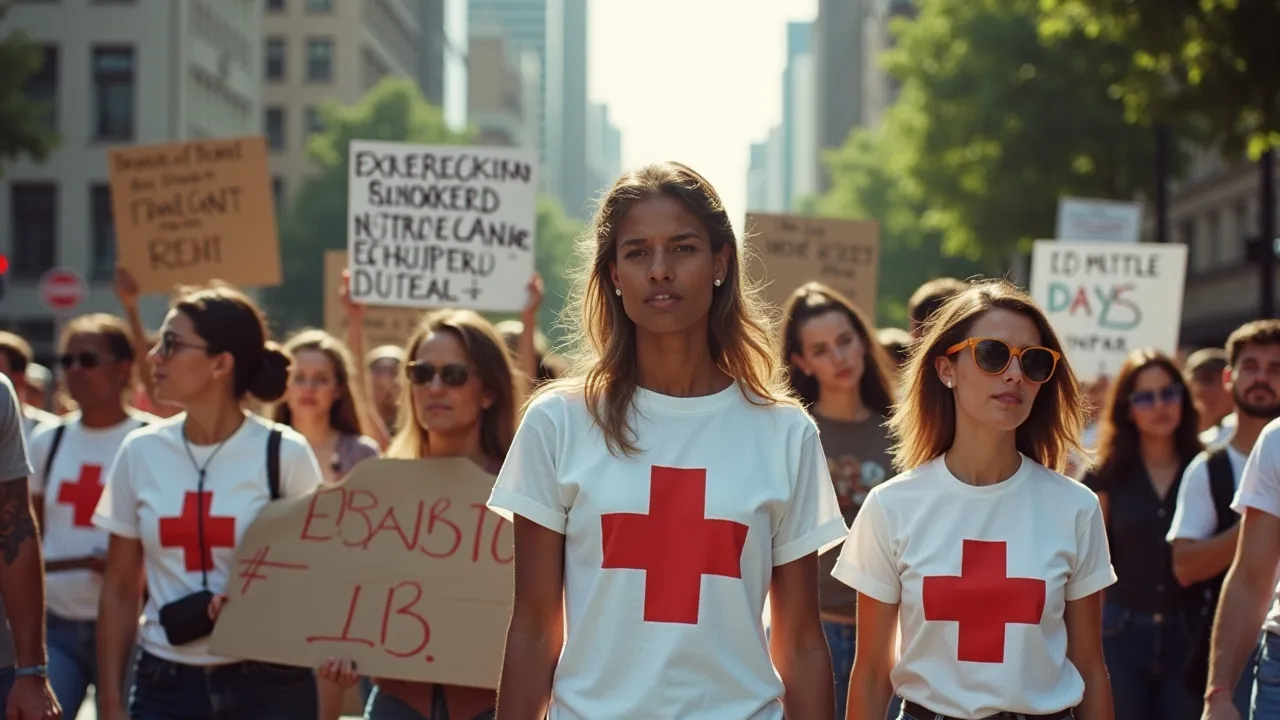
Observed annually on May 31st, World No Tobacco Day raises awareness about the health risks of tobacco use and advocates for effective policies to reduce consumption. Established by the World Health Organization in 1987.
The Historical Origins & Evolutionary Journey
World No Tobacco Day (WNTD) is a global observance initiated by the World Health Organization (WHO) to highlight the health and other risks associated with tobacco use, and to advocate for effective policies to reduce tobacco consumption. The day was first celebrated on April 7, 1988, but was later permanently fixed on May 31st starting in 1989.
The Foundational Catalyst
The tobacco epidemic is one of the biggest public health threats the world has ever faced, killing more than 8 million people a year. In 1987, the World Health Assembly passed Resolution WHA40.38, calling for the creation of a world no-smoking day. This was driven by mounting evidence of the devastating health impacts of tobacco, including lung cancer, heart disease, and chronic respiratory conditions.
Legislative & Official Adoption
In 1988, WHO officially established World No Tobacco Day, originally celebrated on April 7 to mark the 40th anniversary of the organization. However, in 1989, the date was moved to May 31 to avoid conflicting with other WHO events. Since then, each year has featured a specific theme to focus global efforts, such as 'Tobacco and Heart Disease' (2018), 'Tobacco and Lung Health' (2019), and 'Commit to Quit' (2021).
Modern Global Legacy
Today, World No Tobacco Day serves as a rallying point for governments, NGOs, and individuals to implement and enforce tobacco control measures. The WHO Framework Convention on Tobacco Control (WHO FCTC), which entered into force in 2005, is a key international treaty that supports the goals of WNTD. The observance has contributed to significant declines in smoking rates in many countries, though challenges remain, especially with the rise of e-cigarettes and vaping.
How to Celebrate World No Tobacco Day
World No Tobacco Day is an opportunity for individuals, communities, and organizations to take action against the tobacco epidemic. Here are actionable strategies for various groups:
For Individuals
- Quit Smoking: Use this day as your quit date. Seek support from friends, family, or quitlines.
- Educate Yourself: Learn about the health risks of tobacco and secondhand smoke.
- Spread Awareness: Share facts on social media using hashtags like #NoTobaccoDay or #QuitSmoking.
For Schools
- Organize poster competitions on the dangers of smoking.
- Invite health professionals to give talks.
- Create smoke-free campus pledges.
For Organizations
- Implement smoke-free workplace policies.
- Offer smoking cessation programs and counseling.
- Sponsor community events that promote healthy living.
In some countries, unique traditions have emerged. For example, in India, public rallies and street plays are common, while in the UK, campaigns focus on empowering smokers to quit through digital tools. In Brazil, the day includes free health screenings for tobacco-related diseases.
Global Impact & Health Statistics
Tobacco use remains the leading preventable cause of death worldwide. According to WHO, tobacco kills up to half of its users. Key statistics include:
- Over 1.3 billion tobacco users globally (2023).
- 8 million deaths annually, including 1.2 million from secondhand smoke.
- Tobacco costs the world over $1.4 trillion in healthcare costs and lost productivity.
World No Tobacco Day amplifies these figures to spur policy action. The WHO MPOWER measures (Monitor, Protect, Offer, Warn, Enforce, Raise) provide a roadmap for countries to reduce tobacco use. Since 2008, over 100 countries have implemented at least one MPOWER measure at the highest level.
The Role of E-Cigarettes & Vaping
In recent years, World No Tobacco Day has expanded its focus to include new nicotine delivery systems like e-cigarettes and vaping devices. While some argue they can aid cessation, WHO warns that these products are not harmless and often attract youth. Key points:
Health Concerns
- Nicotine addiction: Vaping can lead to nicotine dependence, especially in adolescents.
- Lung injury: Cases of EVALI (e-cigarette or vaping product use-associated lung injury) have been reported.
- Gateway effect: Non-smokers who vape are more likely to start smoking.
WNTD campaigns now emphasize that the best option for health is to avoid all tobacco and nicotine products. Regulation of e-cigarettes varies widely, and many countries have banned them or treat them as medicinal products.
Economic & Environmental Consequences
Tobacco's impact extends beyond health. Economically, tobacco farming often traps farmers in poverty due to high input costs and fluctuating prices. Additionally, tobacco production contributes to deforestation, soil degradation, and water pollution. Key facts:
- An estimated 4.5 million hectares of land are used for tobacco farming globally.
- Tobacco curing requires large amounts of wood, contributing to forest loss.
- Trillions of cigarette butts are discarded each year, leaching toxic chemicals into the environment.
World No Tobacco Day promotes alternative livelihoods for tobacco farmers and supports efforts to ban single-use plastics in cigarette filters.
Policy Advocacy & Legislative Milestones
World No Tobacco Day serves as a catalyst for policy change. Notable legislative milestones advanced through the observance include:
- Plain packaging: Australia became the first country to implement plain tobacco packaging in 2012, following WNTD campaigns.
- Smoke-free laws: Many countries have passed comprehensive smoke-free laws covering workplaces, restaurants, and public spaces.
- Tax increases: Raising tobacco taxes is one of the most effective measures to reduce consumption, and WNTD often highlights this.
International cooperation under the WHO FCTC has been strengthened by the annual WNTD theme, which unites global efforts toward a tobacco-free world.
Historical Timeline
The World Health Assembly passes Resolution WHA40.38, calling for the creation of a World No Smoking Day, paving the way for the annual observance.
First World No Tobacco Day is celebrated on April 7, marking the 40th anniversary of the World Health Organization.
The date of World No Tobacco Day is permanently changed to May 31 to avoid conflict with other WHO events.
The WHO Framework Convention on Tobacco Control (WHO FCTC) is adopted by the World Health Assembly, providing a global treaty for tobacco control.
The WHO FCTC enters into force, becoming the first international treaty negotiated under the auspices of WHO.
WHO introduces the MPOWER package to assist countries in implementing tobacco control measures, often highlighted on World No Tobacco Day.
Australia becomes the first country to implement plain packaging of tobacco products, a policy promoted during World No Tobacco Days.
The theme 'Protecting Youth from Industry Manipulation and Preventing Them from Tobacco and Nicotine Use' focuses on the rise of e-cigarettes among young people.
World No Tobacco Day theme 'Protecting Children from Tobacco Industry Interference' emphasizes safeguarding youth from tobacco marketing.