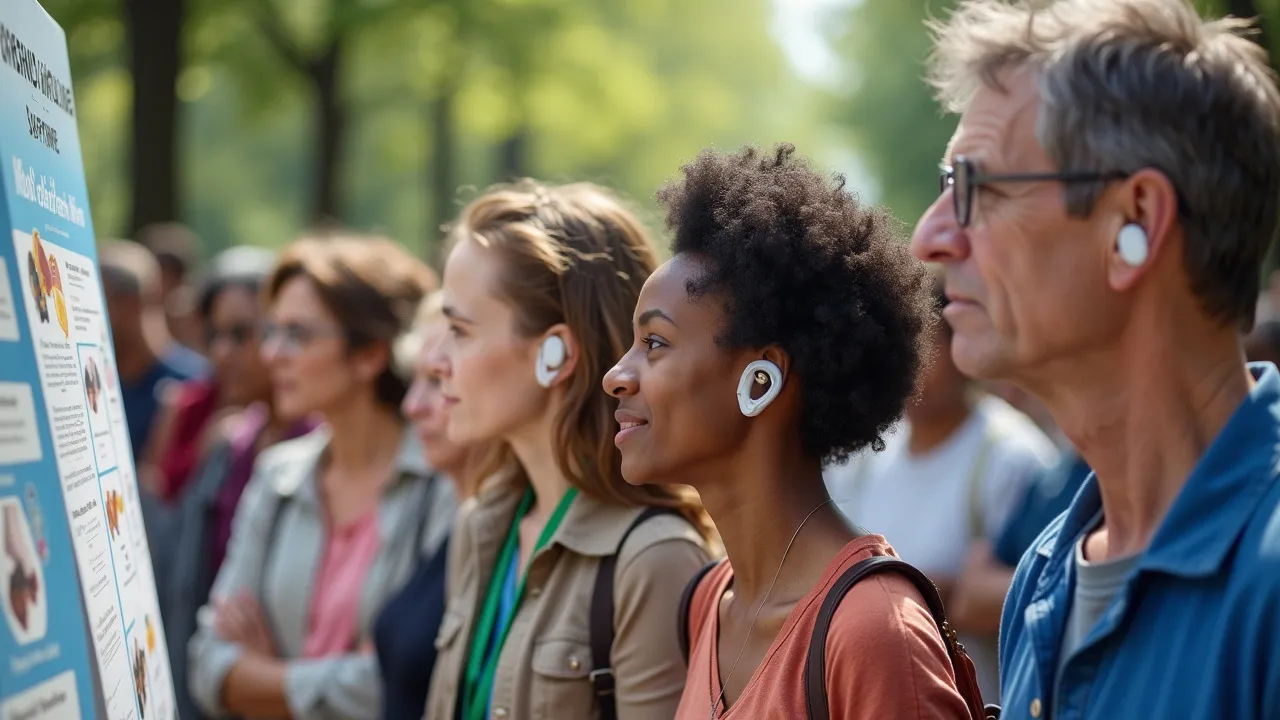
Save Your Hearing Day, observed on May 31st, raises awareness about noise-induced hearing loss and promotes preventive measures like hearing protection and regular check-ups. It encourages people to safeguard their auditory health for life.
The Historical Origins & Evolutionary Journey
The Foundational Catalyst
Hearing loss is a pervasive global issue affecting over 1.5 billion people worldwide, according to the World Health Organization. The genesis of Save Your Hearing Day can be traced to the growing public health crisis of noise-induced hearing loss (NIHL) in the late 20th century. As industrial noise, personal audio devices, and urban environments intensified, audiologists and advocacy groups recognized an urgent need for a dedicated awareness day.
The Legislative/Official Adoption
Save Your Hearing Day emerged from grassroots efforts by hearing health advocates and organizations like the American Academy of Audiology and the Hearing Loss Association of America. While no single legislative act established it, the day gained official recognition through widespread adoption by health agencies, schools, and communities. May 31st was chosen to coincide with the end of Better Hearing and Speech Month, creating a powerful capstone.
Modern Global Legacy
Today, Save Your Hearing Day is observed across North America, Europe, Asia, and Australia. It has evolved from simple health fair screenings into a global movement incorporating social media campaigns, workplace hearing conservation programs, and school-based education. The day now emphasizes the preventable nature of NIHL and the importance of early detection.
How to Celebrate Save Your Hearing Day
Save Your Hearing Day offers countless opportunities for individuals, families, schools, and organizations to take meaningful action. Below are comprehensive strategies grouped by context.
For Individuals and Families
- Get a Hearing Test: Schedule a comprehensive audiological evaluation. Early detection of hearing loss improves outcomes.
- Practice Safe Listening: Follow the 60/60 rule: listen at no more than 60% volume for no more than 60 minutes at a time.
- Invest in Hearing Protection: Use earplugs or noise-canceling headphones for concerts, lawn mowing, or any environment above 85 decibels.
- Remove Earwax Safely: Avoid cotton swabs; use over-the-counter drops or consult a professional.
- Spread Awareness: Share facts on social media using #SaveYourHearingDay.
For Schools and Educators
- Host an interactive assembly on the science of hearing and effects of loud noise.
- Provide free hearing screenings for students in partnership with local audiologists.
- Create a “quiet corner” for students to experience sensory breaks.
For Organizations and Workplaces
- Implement or review a Hearing Conservation Program.
- Provide custom-fitted earplugs for employees exposed to noise.
- Offer lunch-and-learn sessions about tinnitus prevention.
Globally, celebrations vary: In the United Kingdom, the British Tinnitus Association runs awareness campaigns; in Japan, companies often sponsor hearing check-ups; in Australia, community health centers host free workshops. No matter where you are, the core message remains: protect your ears today for a lifetime of hearing.
Noise-Induced Hearing Loss: The Preventive Frontier
Understanding NIHL
Noise-induced hearing loss results from damage to the hair cells in the inner ear after exposure to loud sounds. Unlike age-related hearing loss, NIHL is entirely preventable. The National Institute on Deafness and Other Communication Disorders reports that roughly 15% of Americans aged 20-69 have hearing loss due to noise.
Key Noise Sources
- Personal audio devices (earbuds/headphones) at high volumes
- Concerts and sporting events (often exceed 100 dB)
- Power tools and machinery
- Firearms (impulse noise up to 140 dB)
- Traffic and subway systems
The Decibel Danger Threshold
Sounds at 85 dB can cause damage after 8 hours of exposure; every 3 dB increase halves the safe duration. A typical rock concert at 110 dB becomes damaging in just 2 minutes.
The Impact of Tinnitus on Daily Life
Tinnitus, a ringing or buzzing in the ears, affects about 10-15% of the population. It is often a first sign of hearing damage. Save Your Hearing Day emphasizes tinnitus prevention through hearing protection. For those already affected, management strategies include sound therapy, cognitive behavioral therapy, and hearing aids with masking features. The day encourages open conversations to reduce stigma and promote early intervention.
Global Hearing Health Policies and Innovations
World Health Organization Initiatives
The WHO launched the "World Report on Hearing" in 2021, calling for integrated people-centered ear and hearing care. Save Your Hearing Day aligns with these goals by pushing for policy changes like mandated hearing protection in workplaces and stricter noise regulations.
Technological Breakthroughs
- Hearing Aids: Modern devices with Bluetooth, AI sound optimization, and rechargeability.
- Smartphone Apps: Sound level meters and hearing test apps.
- Cochlear Implants: For severe-to-profound hearing loss.
The day also highlights disparities in access: low-income regions lack audiology services and affordable hearing aids, making awareness and funding priorities.
Community Engagement and Advocacy
Save Your Hearing Day mobilizes volunteers, nonprofits, and healthcare providers. Activities include:
- Free hearing screening drives in malls and libraries.
- Online webinars with audiologists.
- Letter-writing campaigns for noise ordinances.
- School poster contests about ear safety.
Advocacy groups like Hearing Health Foundation use the day to petition for insurance coverage of hearing aids and cochlear implants. Social media campaigns reach millions.
Historical Timeline
Save Your Hearing Day is first observed by a coalition of audiologists and patient advocacy groups to address the rising prevalence of noise-induced hearing loss.
The day gains recognition from the American Academy of Audiology, which begins promoting annual hearing screenings on May 31st.
World Health Organization publishes guidelines on community noise, reinforcing the need for awareness days like Save Your Hearing Day.
#SaveYourHearingDay trends on social media as celebrities and musicians share their hearing health stories.
During COVID-19 pandemic, virtual hearing tests and online workshops expand the reach of the observance globally.
The day is officially recognized by the U.S. Department of Health and Human Services as a national health observance.