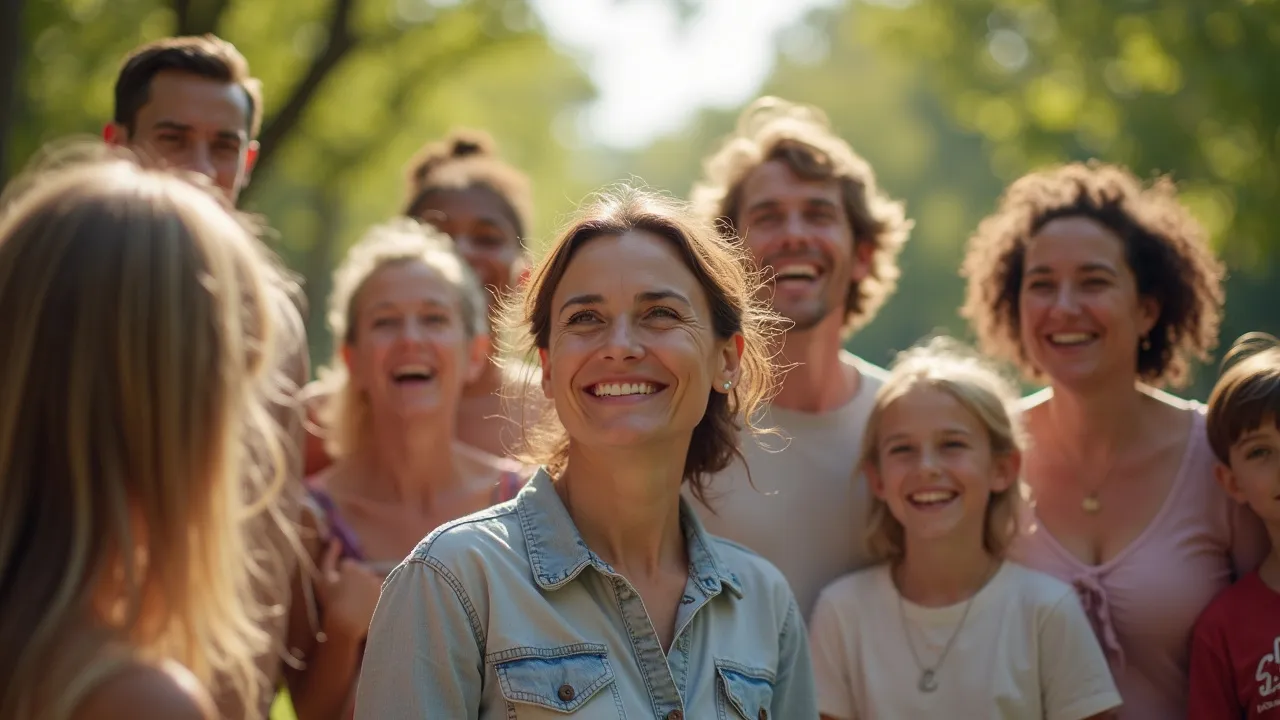
National Smile Day, observed on May 31st, encourages everyone to share the joy of a smile. Founded by two dentists, it promotes oral health and the positive power of smiling.
The Historical Origins & Evolutionary Journey
National Smile Day was founded in 2002 by two Illinois dentists, Dr. Tim Stirneman and Dr. Kevin L. Ragsdale, who recognized the profound impact a simple smile can have on individuals and communities. Their goal was to create a day dedicated to promoting oral health and the happiness that comes from smiling.
The Foundational Catalyst
Driven by a belief that smiles are contagious and improve well-being, the founders launched the first celebration in their local community. They emphasized that a healthy smile boosts confidence and fosters social connections. The day quickly gained traction through dental offices and community events.
The Legislative/Official Adoption
While not a federal holiday, National Smile Day has been recognized by numerous local governments and dental associations. Proclamations have been issued in various cities, encouraging residents to participate. The day has also been endorsed by organizations like the American Dental Association (ADA) as a reminder of the importance of oral hygiene.
Modern Global Legacy
With the rise of social media, National Smile Day has become a global phenomenon. People share photos of their smiles using hashtags like #NationalSmileDay. Schools, businesses, and nonprofits now participate, hosting smile-themed events. The day continues to evolve, focusing on mental health and the science behind smiling.
How to Celebrate National Smile Day
National Smile Day offers countless ways to spread joy, improve oral health, and connect with others. Below are actionable strategies for individuals, schools, and organizations.
For Individuals
- Smile at strangers - A simple, genuine smile can brighten someone's day. Practice smiling at people you pass on the street or in stores.
- Share a smiling selfie - Post a photo of your smile on social media with #NationalSmileDay and encourage friends to do the same.
- Practice good oral hygiene - Brush and floss thoroughly, and schedule a dental checkup if overdue.
- Write a thank-you note - Express gratitude to someone who makes you smile, whether a friend, family member, or colleague.
For Schools and Workplaces
- Smile contest - Host a friendly competition for the best smile, judged on genuineness and creativity.
- Oral health workshop - Invite a dentist to speak about the importance of dental care and how a healthy smile impacts overall health.
- Random acts of kindness - Organize activities like paying for someone's coffee or leaving encouraging notes.
For Communities
- Smile-themed events - Plan a community picnic or park gathering where everyone wears smiley face attire.
- Charity drives - Partner with dental clinics to provide free hygiene kits or discounted cleanings.
No matter how you celebrate, the key is to be genuine and spread positivity.
Global Impact and Cultural Significance
While National Smile Day began in the United States, its message transcends borders. Smiling is a universal language that fosters trust, reduces stress, and promotes social bonding. Countries around the world have adopted the day with unique traditions.
Regional Variations
In Japan, smiles are often more restrained, but National Smile Day encourages a cultural shift toward open expression. In Brazil, the day is celebrated with vibrant street festivals and dental health campaigns. In India, schools organize smile yoga sessions, combining laughter and mindfulness.
Psychological and Health Benefits
Research shows that smiling releases endorphins, lowers heart rate, and boosts immune function. National Smile Day amplifies these benefits by inviting collective participation. The day also highlights the link between mental health and smiling, encouraging those with depression or anxiety to seek help.
By participating, individuals contribute to a global wave of positivity, proving that a smile can be a powerful tool for change.
The Science of Smiling: Why It Matters
Smiling is more than a facial expression; it triggers complex physiological and psychological responses. Understanding these mechanisms can deepen appreciation for National Smile Day.
Neurochemical Effects
When you smile, your brain releases dopamine, serotonin, and endorphins—natural chemicals that reduce pain and boost pleasure. This "feedback loop" means that even a forced smile can improve mood over time.
Social and Professional Advantages
Smiles are contagious thanks to mirror neurons. A smiling person is perceived as more approachable, trustworthy, and competent. In professional settings, a genuine smile can lead to better teamwork and customer interactions.
Oral Health Connection
A healthy smile depends on good oral hygiene. National Smile Day serves as a reminder to brush twice daily, floss, and visit the dentist regularly. Poor oral health can lead to gum disease and tooth loss, which affect confidence and overall health.
Embracing the science behind smiles empowers individuals to harness their power intentionally.
Corporate and Social Media Engagement
National Smile Day has become a marketing opportunity for brands and a cause for social good. Companies leverage the day to humanize their image while promoting wellness.
Brand Campaigns
Businesses often run smile-themed promotions: discounts for customers who smile at checkout, social media contests with smiley filters, or donations to dental charities for each post using their hashtag. These campaigns boost engagement and foster customer loyalty.
Influencer and User-Generated Content
Influencers share personal stories about smiling to inspire followers. User-generated content floods platforms like Instagram and TikTok, creating a viral wave of positivity. The day also encourages people to share before-and-after photos of orthodontic treatments, highlighting the transformative power of a confident smile.
Nonprofit Partnerships
Many dental nonprofits collaborate with National Smile Day organizers to provide free dental screenings and hygiene education. For example, the Smile Train, which provides cleft palate surgeries, often runs fundraising campaigns on this day.
Corporate involvement amplifies the day's reach and impact, turning smiles into a force for social change.
Educational and School Activities
Schools are ideal venues for National Smile Day, as children learn early the importance of oral health and positive attitudes. Many educational institutions integrate the day into their curriculum.
Lesson Plans and Crafts
Teachers create lesson plans about the anatomy of a smile, the history of the day, and cultural differences in smiling. Art projects include making smiley face masks or drawing pictures of what makes them smile. Writing prompts ask students to describe a time someone's smile made a difference.
Health and Wellness Assemblies
Dental professionals visit schools to demonstrate proper brushing techniques and discuss nutrition for healthy teeth. Students receive free toothbrushes and toothpaste. Some schools organize "Smile Olympics" with games like toothbrush relay races.
Community Service
Older students may volunteer at nursing homes, reading to residents and encouraging them to smile. These activities teach empathy and the value of intergenerational connection.
By embedding National Smile Day into education, schools cultivate lifelong habits of oral care and positivity.
Frequently Asked Questions About National Smile Day
Many people have questions about the origins, purpose, and ways to observe this day. Below are common inquiries with concise, factual answers.
When is National Smile Day celebrated?
National Smile Day is observed annually on May 31st. It is not a public holiday but a designated day of awareness and celebration.
Who created National Smile Day?
The day was founded by Dr. Tim Stirneman and Dr. Kevin L. Ragsdale, two dentists from Illinois, in 2002.
What is the purpose of National Smile Day?
To promote the benefits of smiling for mental and physical health, encourage good oral hygiene, and spread joy within communities.
How can I participate?
You can smile often, share photos on social media, practice oral care, perform random acts of kindness, or attend local smile-themed events.
Is there a specific color or symbol for the day?
Yellow is commonly associated with smiles, and the smiley face emoji (😊) is the unofficial symbol. Many people wear yellow clothing or accessories.
Can businesses get involved?
Absolutely. Many companies offer promotions, host employee wellness activities, or donate to dental charities in honor of the day.
Historical Timeline
National Smile Day is founded by Dr. Tim Stirneman and Dr. Kevin L. Ragsdale, two dentists from Illinois, to promote oral health and the power of smiling.
The first official community-wide celebrations occur, with dental offices hosting open houses and smile contests.
Social media campaigns emerge, with hashtags like #NationalSmileDay gaining traction on Twitter and Facebook.
The American Dental Association (ADA) endorses the day, encouraging members to participate in educational outreach.
Virtual celebrations surge during the COVID-19 pandemic; people share masked smiles and eye smiles ("smizing").
National Smile Day is recognized in over 50 countries, with schools, businesses, and nonprofits hosting events worldwide.