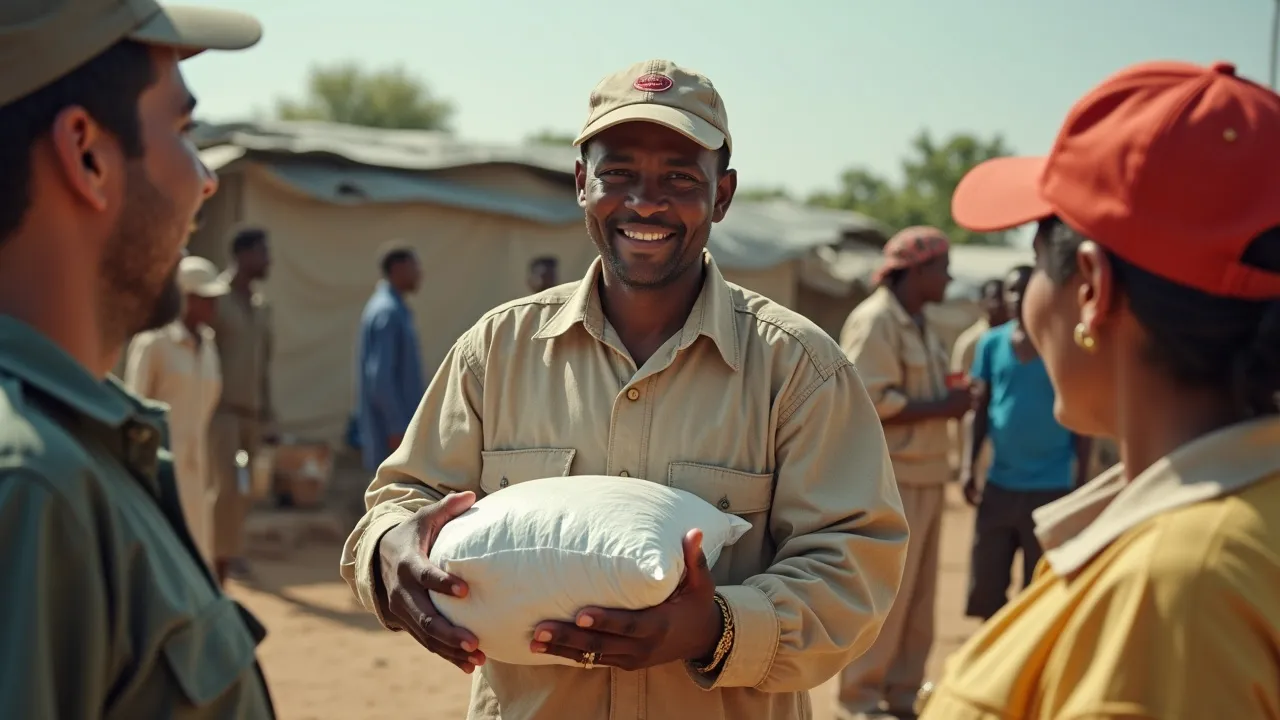
World Humanitarian Day on August 19 honors aid workers worldwide who risk their lives to help others in crisis. It commemorates the 2003 Baghdad bombing of the UN headquarters and calls for global solidarity.
Historical Origins & Evolutionary Journey
World Humanitarian Day (WHD) is observed annually on August 19th to honor humanitarian workers and raise awareness of the global humanitarian effort. The day was designated by the United Nations General Assembly in 2008, but its roots trace back to a tragic event five years earlier.
The Foundational Catalyst
On August 19, 2003, a bomb attack on the Canal Hotel in Baghdad, Iraq, killed 22 people, including the UN Special Representative for Iraq, Sérgio Vieira de Mello. This attack marked a turning point in the security landscape for humanitarian operations. The victims were aid workers committed to rebuilding Iraq. In response, the UN and the international community sought a way to commemorate their sacrifice and reaffirm the importance of humanitarian action.
Legislative/Official Adoption
In December 2008, the UN General Assembly adopted Resolution A/RES/63/139, designating August 19 as World Humanitarian Day. The resolution called on states to "promote a culture of humanitarian action and encourage the participation of civil society." The first official observance took place in 2009, with events worldwide focusing on the theme "Humanitarian Aid: A Lifeline for Millions." Over the years, the UN Office for the Coordination of Humanitarian Affairs (OCHA) has spearheaded global campaigns.
Modern Global Legacy
Today, WHD serves as a platform to advocate for the safety and security of humanitarian workers, highlight the needs of crisis-affected populations, and mobilize collective action. Each year, the UN selects a theme; examples include "The Human Race" (2016) focusing on climate change, and "#RealLifeHeroes" (2023) celebrating local first responders. The day has evolved from a memorial into a call to action, engaging governments, NGOs, and individuals in supporting humanitarian causes worldwide.
How to Celebrate World Humanitarian Day
World Humanitarian Day is not just a day of remembrance; it is an opportunity for everyone to contribute to humanitarian efforts. Here are actionable ways individuals, schools, and organizations can participate.
For Individuals
- Donate to reputable humanitarian organizations such as the UN Central Emergency Response Fund, Médecins Sans Frontières, or the Red Cross.
- Volunteer locally with refugee support groups, food banks, or disaster relief services.
- Educate yourself and others by reading about humanitarian crises and sharing stories on social media using the hashtag #WorldHumanitarianDay.
For Schools and Universities
- Organize seminars or panel discussions with local humanitarian workers.
- Host fundraising events such as charity runs or bake sales to support relief projects.
- Incorporate case studies of humanitarian action into curricula to inspire students.
For Corporations and Organizations
- Launch employee giving campaigns matching donations to humanitarian causes.
- Provide pro bono services (e.g., logistics, legal) to NGOs.
- Host awareness webinars featuring field experts.
In different regions, traditions vary. In the United Kingdom, the Red Cross holds public exhibitions. In Kenya, community clean-ups and health drives are common. In the Middle East, many mosques include special prayers for aid workers. The key is to align celebration with local contexts while upholding the spirit of humanity.
Global Impact of Humanitarian Work
Humanitarian work saves lives and alleviates suffering in the world's most vulnerable places. The global impact is immense: in 2023, over 300 million people required humanitarian assistance due to conflicts, natural disasters, and disease outbreaks. WHD highlights these statistics and the tireless efforts of aid workers.
Key Achievements
- Vaccination campaigns have eradicated polio in most regions, thanks to WHO and UNICEF.
- Emergency food aid from the World Food Programme feeds over 100 million people annually.
- Refugee support by UNHCR has provided shelter to millions fleeing violence.
Despite progress, challenges persist: humanitarian funding gaps, attacks on aid workers, and restricted access to crisis zones. WHD calls for renewed commitment to international humanitarian law and global solidarity.
Core Humanitarian Principles
Humanitarian action is guided by four core principles: humanity, neutrality, impartiality, and independence. These principles ensure aid reaches those most in need without discrimination.
- Humanity: Human suffering must be addressed wherever it is found, with special attention to the most vulnerable.
- Neutrality: Humanitarian actors must not take sides in hostilities.
- Impartiality: Aid is provided solely on the basis of need, without bias.
- Independence: Humanitarian objectives must be autonomous from political, economic, or military agendas.
These principles are enshrined in UN General Assembly resolutions and are critical to maintaining trust and access in conflict zones. WHD reinforces these values.
The Role of the UN and NGOs
The United Nations and non-governmental organizations (NGOs) are the backbone of global humanitarian response. The UN coordinates international efforts through OCHA, while specialized agencies like UNICEF, WHO, and WFP lead in health, nutrition, and shelter. NGOs such as Doctors Without Borders, Oxfam, and CARE operate on the frontlines.
On WHD, these organizations launch campaigns to recruit volunteers, raise funds, and advocate for policy changes. For example, the 2024 campaign "No Matter What" focuses on protecting aid workers in conflict zones. Partnerships between the UN, NGOs, and local communities are essential for effective delivery.
Commemorative Events Worldwide
World Humanitarian Day is marked by a variety of events across the globe. In New York City, the UN hosts a formal ceremony at its headquarters, often featuring speeches from the Secretary-General and humanitarian award presentations. In Geneva, the Red Cross organizes a humanitarian dialogue series. In conflict-affected countries like Syria and Yemen, local NGOs hold memorial gatherings and distribute aid kits in honor of the day.
Virtual events have also gained traction since the COVID-19 pandemic. The UN streams live panel discussions on its website, and social media campaigns like #RealLifeHeroes encourage user-generated content. These events foster a collective sense of purpose and remind the world of the ongoing need for humanitarian action.
Historical Timeline
On August 19, a bomb attack on the UN headquarters in Baghdad kills 22 people, including UN envoy Sérgio Vieira de Mello, sparking the call for a day of remembrance.
The UN General Assembly adopts Resolution A/RES/63/139, officially designating August 19 as World Humanitarian Day.
First official observance of World Humanitarian Day, with a theme focusing on the importance of humanitarian aid.
UN launches the 'Humanitarian Heroes' campaign to profile aid workers and their stories.
10th anniversary of the Baghdad bombing; WHD highlights the increasing dangers faced by humanitarian workers.
Theme 'The Human Race' focuses on climate change and its humanitarian impact, with a global relay run.
COVID-19 pandemic shifts WHD events online; theme '#RealLifeHeroes' celebrates health workers.
WHD 15th anniversary; campaign 'No Matter What' calls for greater protection of aid workers in conflict zones.