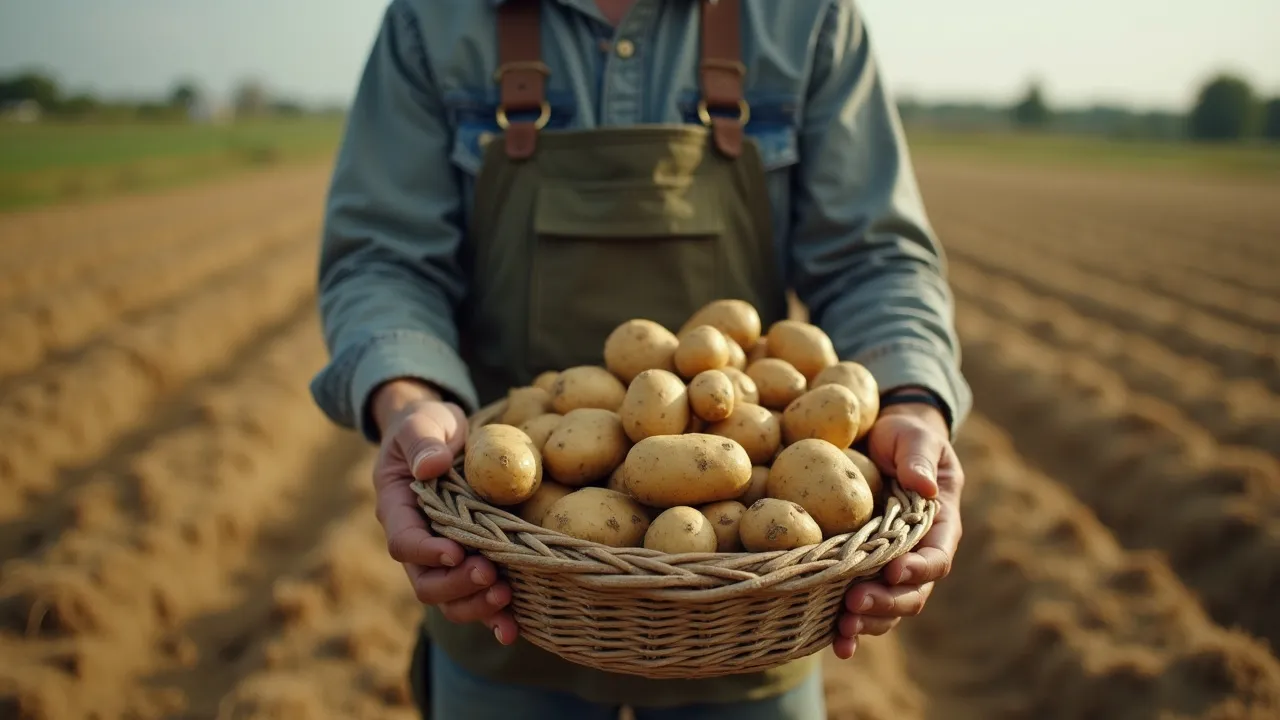
National Potato Day on August 19th celebrates the humble yet versatile potato, a global staple. It honors the potato's rich history, nutritional value, and cultural significance across cuisines worldwide.
The Historical Origins & Evolutionary Journey
National Potato Day, observed on August 19th, traces its roots to efforts by the Idaho Potato Commission to promote the potato as a nutritious and versatile food. However, the potato's own history spans millennia. Below, we explore the key phases of its journey.
The Foundational Catalyst
The potato (Solanum tuberosum) was first domesticated in the region of modern-day Peru and Bolivia around 8,000 years ago. Indigenous Andean peoples cultivated hundreds of varieties, relying on it as a staple. Spanish conquistadors introduced the potato to Europe in the 1530s, where it initially faced suspicion but eventually transformed agriculture.
The Legislative/Official Adoption
In the United States, the potato gained prominence through pioneers and immigrants. The establishment of National Potato Day in 2003 by the Idaho Potato Commission aimed to boost consumption and highlight the potato's role in American cuisine. The date August 19th was chosen to coincide with the peak of the harvest season.
Modern Global Legacy
Today, the potato is the world's fourth-largest food crop after rice, wheat, and maize. National Potato Day has grown into a global celebration, with events ranging from potato festivals to educational campaigns about sustainable farming. The day also honors the potato's role in combating hunger and its adaptability to diverse climates.
How to Celebrate National Potato Day
National Potato Day offers countless ways to honor this beloved tuber. Below are actionable ideas for individuals, families, schools, and organizations.
For Home Cooks and Foodies
- Host a Potato Potluck: Invite friends to bring their favorite potato dish, from mashed potatoes to loaded fries.
- Try a New Recipe: Experiment with global potato cuisines like Peruvian causa, Indian aloo gobi, or German kartoffelpuffer.
- Visit a Farmers Market: Buy fresh, locally grown potatoes and learn about different varieties like Yukon Gold or Purple Majesty.
For Schools and Community Groups
- Potato Science Fair: Conduct experiments on osmosis or starch content in potatoes.
- Plant a Potato Garden: Teach children how potatoes grow by planting a small patch.
- Potato Art Contest: Use potato stamps or create sculptures.
For Businesses and Organizations
- Offer Potato-Themed Specials: Restaurants can feature exclusive potato dishes.
- Donate Potatoes: Partner with food banks to distribute spuds to those in need.
- Social Media Campaigns: Share fun facts and recipes using the hashtag #NationalPotatoDay.
No matter how you celebrate, the goal is to appreciate the potato's journey from field to fork.
Potato Health Benefits and Nutritional Profile
Vitamins and Minerals
Potatoes are rich in vitamin C (with skin), potassium, vitamin B6, and fiber. A medium potato with skin provides about 620 mg of potassium, more than a banana.
Carbohydrates and Energy
Contrary to myths, potatoes are not inherently unhealthy. They are a source of complex carbohydrates that provide sustained energy, especially when boiled or baked and consumed in moderation.
Digestive Health
Resistant starch in cooked-and-cooled potatoes acts as a prebiotic, promoting gut health. This effect is enhanced in potato salad or potato chips made from whole potatoes.
Overall, potatoes contribute to a balanced diet when prepared without excessive fat or salt.
Potatoes Around the World: Culinary Diversity
Latin America: The Birthplace
In Peru, causa rellena layers mashed potatoes with spiced seafood. Bolivia offers papas rellenas, stuffed potato balls.
Europe: Tradition and Innovation
- Belgium: The home of authentic french fries, often served with mayonnaise.
- Ireland: Colcannon and boxty celebrate the potato's survival during the famine.
- Poland: Pierogi with potato filling and kopytka (potato dumplings).
Asia: Fusion Staples
India uses potatoes in curries (aloo gobi), flatbreads (aloo paratha), and snacks (samosa filling). China produces the most potatoes globally and uses them in stir-fries and soups.
These global traditions highlight the potato's remarkable adaptability.
The Economic Significance of the Potato Industry
The potato industry supports millions of livelihoods worldwide. In 2023, global potato production exceeded 370 million metric tons, led by China, India, Russia, and the United States.
Crop Value and Trade
Potatoes are a low-cost source of nutrition, making them critical to food security. The processed potato market (frozen fries, chips, flakes) is a multi-billion dollar sector.
Employment and Innovation
From smallholder farmers to agritech startups, the sector drives innovation in storage, disease resistance, and sustainable farming practices.
Potato Farming and Environmental Sustainability
Crop Management
Potatoes require careful water management and pest control. Sustainable practices like crop rotation and integrated pest management reduce environmental impact.
Climate Resilience
Breeding programs develop drought- and heat-tolerant varieties to combat climate change. Organic potato farming also reduces soil degradation.
National Potato Day encourages awareness of these practices and supports responsible consumption.
Interesting Facts About Potatoes
- The potato was the first vegetable grown in space (1995, aboard Space Shuttle Columbia).
- There are over 4,000 varieties of potatoes worldwide, though only a fraction are commercially cultivated.
- The word 'spud' comes from the 19th-century term for a short spade used to dig potatoes.
- Potatoes are 80% water.
- The largest potato on record weighed 7 pounds 1 ounce (3.2 kg).
Historical Timeline
Potatoes first domesticated by indigenous peoples in the Andes (Peru/Bolivia region).
Spanish conquistadors bring potatoes to Europe, initially used as livestock feed and ornamental plants.
Antoine Parmentier promotes potato cultivation in France, helping to end food shortages.
Irish Potato Famine caused by potato blight leads to mass starvation and emigration; over 1 million die.
Instant mashed potatoes and frozen french fries are commercialized, boosting convenience.
Potatoes become the first vegetable grown in space aboard the Space Shuttle Columbia.
First National Potato Day celebrated on August 19th, established by the Idaho Potato Commission.
Global potato production surpasses 370 million metric tons, with China as the top producer.