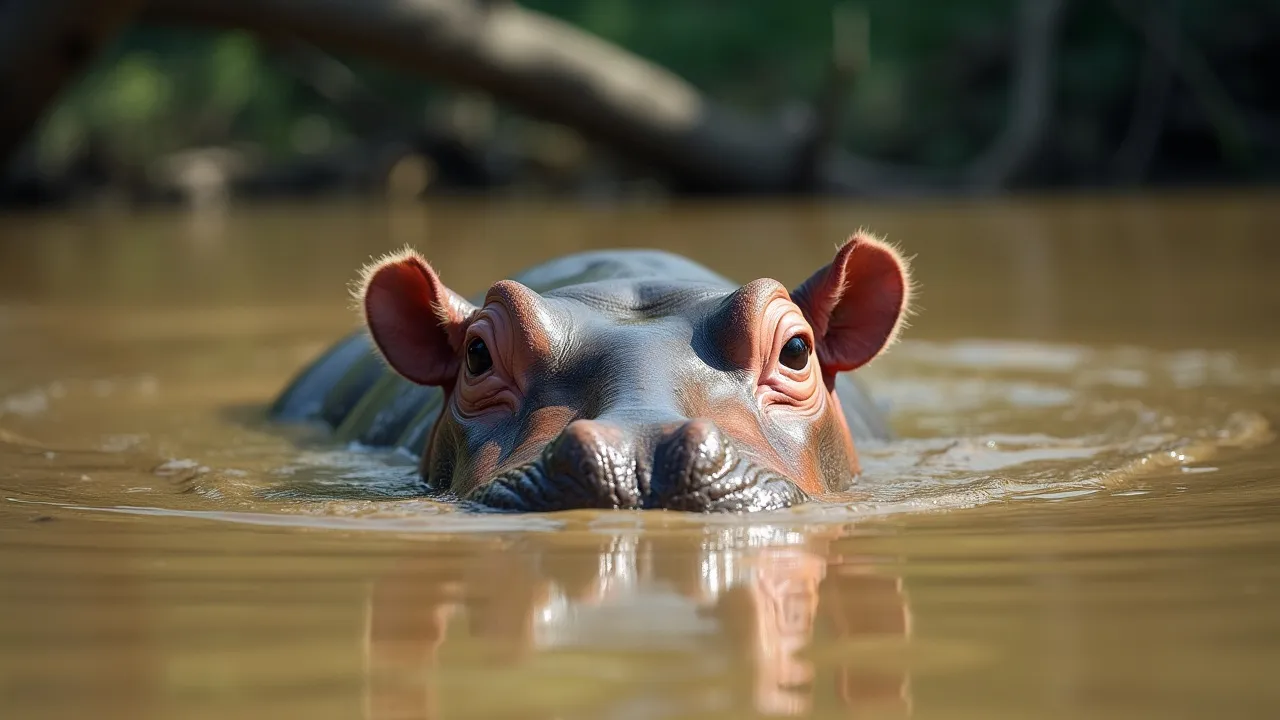
World Hippo Day on February 15th raises awareness for hippopotamus conservation, celebrating these majestic semi-aquatic mammals and highlighting the threats they face from habitat loss and poaching.
The Historical Origins & Evolutionary Journey of World Hippo Day
World Hippo Day, observed annually on February 15th, was established in 2012 by a coalition of conservation organizations including the Hippo Conservation Trust and the World Wildlife Fund (WWF). The day was created to draw global attention to the plight of the common hippopotamus (Hippopotamus amphibius) and the endangered pygmy hippopotamus (Choeropsis liberiensis). Since its inception, the observance has grown into a global movement, engaging millions of people in conservation efforts and educational activities.
The Foundational Catalyst
The idea for World Hippo Day emerged from a series of high-profile conservation meetings in 2010, where experts noted that hippos were often overlooked compared to charismatic megafauna like elephants and lions. Despite their ecological importance as keystone species in African freshwater ecosystems, hippos faced escalating threats: habitat loss due to agricultural expansion, poaching for meat and ivory, and conflict with human populations. The first unofficial celebrations occurred in 2011 as pilot events in Kenya and South Africa, leading to the official launch in 2012.
The Legislative/Official Adoption
In 2012, the United Nations Environment Programme (UNEP) endorsed World Hippo Day as part of its campaign for freshwater biodiversity. Several African nations, including Uganda, Tanzania, and Zambia, officially recognized the day, incorporating it into their environmental education curricula. International zoos and aquariums also adopted the day, organizing special events to highlight hippo conservation. The day's official status was further cemented in 2015 when the Convention on International Trade in Endangered Species (CITES) used World Hippo Day to launch a new initiative against hippo ivory trafficking.
Modern Global Legacy
Today, World Hippo Day is celebrated across more than 50 countries. Social media campaigns like #WorldHippoDay reach tens of millions annually. Conservation organizations use the day to fundraise for anti-poaching patrols, habitat restoration, and community-based conservation programs. The day also serves as a platform for scientific research, with many institutions releasing annual reports on hippo populations. In 2020, the IUCN Red List status of the common hippopotamus was reclassified from Vulnerable to Near Threatened, partly due to increased awareness generated by the day.
How to Celebrate World Hippo Day
World Hippo Day is a global call to action for individuals, schools, zoos, and organizations to support hippo conservation. The key is to combine education with concrete support.
For Individuals
- Donate: Contribute to reputable organizations like WWF, African Wildlife Foundation, or the Hippo Conservation Trust. Even small donations fund anti-poaching patrols and habitat preservation.
- Educate: Share facts about hippos on social media using #WorldHippoDay. Use verified sources to combat misinformation about hippos being aggressive or dangerous without cause.
- Adopt a Hippo: Many wildlife charities offer symbolic adoptions that support specific hippos in the wild. This makes a great gift and raises awareness.
For Schools
- Classroom Lessons: Integrate hippo biology and ecology into science curricula. Use the day to discuss ecosystems, conservation, and the impact of human activities on wildlife.
- Art Contests: Organize a poster or essay contest themed around hippo conservation. Display student work in the school or local library.
- Zoo Field Trips: If possible, arrange a visit to a zoo with hippos. Many zoos hold special talks and feeding demonstrations on February 15th.
For Organizations
- Corporate Partnerships: Businesses can match employee donations or sponsor a hippo conservation project. This enhances corporate social responsibility profiles.
- Public Events: Host webinars, film screenings, or panel discussions featuring conservationists. Livestream talks from African reserves.
- Fundraising Challenges: Launch a fundraising challenge, such as a step-count competition (hippos walk many miles at night) or a photo contest.
Regional Variations
In Africa, many communities hold local festivals with traditional dances and storytelling about hippos. In the United States and Europe, zoos often host "Hippo Days" with extended hours. Australia and Japan embrace the day through social media trends and limited-edition merchandise supporting conservation.
Hippo Conservation Efforts: Global Initiatives and Local Impact
Hippopotamus conservation is a complex challenge requiring international cooperation and local engagement. World Hippo Day amplifies these efforts annually.
Anti-Poaching Initiatives
Hippos are poached for their meat and ivory canine teeth. A single hippo can yield up to 500 kilograms of meat, and their ivory is often carved into trinkets. Organizations like the African Wildlife Foundation train rangers in hippo hotspots such as the Congo Basin and the Okavango Delta. These rangers use advanced tracking technology and collaborate with local communities to report poaching.
Habitat Restoration
Hippos depend on clean freshwater systems. Agricultural runoff and dam construction degrade their habitats. The WWF's Freshwater Program works to restore rivers and wetlands, benefiting hippos and other species. In some areas, hippos are reintroduced to former habitats to reestablish their ecological role.
Human-Wildlife Conflict Mitigation
As human populations expand, hippos increasingly compete for water and space. Hippos can damage crops and even attack people. Conservation groups implement community-based projects like constructing barriers, providing alternative water sources, and compensating farmers for losses. Education is key to reducing negative interactions.
Captive Breeding and Research
Zoos house about 1,000 hippos worldwide, many part of species survival plans. They collaborate on genetic research and veterinary care. The data collected from captive populations helps inform wild conservation strategies. On World Hippo Day, many zoos share this research with the public.
Hippo Behavior and Ecology: Understanding the Second-Largest Land Mammal
To appreciate World Hippo Day, it is essential to understand the hippopotamus's unique biology and ecological role.
Semi-Aquatic Adaptations
Hippos spend up to 16 hours a day submerged in water to keep cool and avoid sunburn. They have special adaptations: their eyes, ears, and nostrils are positioned on top of their heads, allowing them to breathe and see while mostly underwater. Their skin secretes a natural sunscreen known as "blood sweat", which is red and oily and also has antibiotic properties.
Social Structure
Hippos live in groups called pods or bloat, typically consisting of 10 to 30 individuals. They are highly territorial in the water but are more tolerant on land. Dominant males control stretches of river and mate with females in their territory. Vocalizations including grunts, wheezes, and honks are used for communication.
Ecological Role
Hippos are keystone species because they shape freshwater ecosystems. Their grazing creates paths that open waterways, and their dung fertilizes aquatic plants and algae, supporting fish populations. They also create deep pools that provide refuge for other animals during droughts. Losing hippos could destabilize entire riverine ecosystems.
Diet and Foraging
Despite their size, hippos are primarily herbivores, eating about 35 kilograms of grass per night. They emerge from water at dusk to graze along riverbanks. They rely on pathways that they maintain between water and grazing areas. Occasionally, they have been observed eating carrion or other animals, but this is rare and likely a nutritional supplement.
Threats Facing Hippopotamuses: A Danger of Extinction
Despite their iconic status, hippopotamuses face severe threats. World Hippo Day highlights these dangers to galvanize action.
Habitat Loss
Agriculture, urbanization, and dam construction have destroyed or fragmented hippo habitats across Africa. The reduction of freshwater sources forces hippos into smaller areas, increasing competition and conflict with humans. Over 50% of hippo habitat has been lost in the last century.
Poaching and the Illegal Wildlife Trade
Hippo ivory, which is denser and harder to carve than elephant ivory, is highly prized. The illegal trade in hippo ivory is a multi-million dollar industry. Smugglers often pass hippo ivory off as elephant ivory. Additionally, hippo meat is considered a delicacy in some regions, leading to unchecked poaching. Between 2005 and 2015, hippo populations declined by up to 20% in some areas due to poaching.
Climate Change
Climate change exacerbates drought conditions in Africa, reducing water levels in rivers and lakes. Lower water levels concentrate hippos in smaller areas, increasing disease transmission and intraspecific aggression. Extreme weather events also destroy hippo habitat and disrupt breeding cycles.
Human-Wildlife Conflict
As hippos lose habitat, they increasingly enter farmlands and villages in search of food and water. They can cause significant damage to crops and occasionally injure or kill people. This leads to retaliatory killings. Mitigation efforts require a delicate balance between protecting livelihoods and conserving hippos.
Cultural Significance of Hippopotamuses in Art, Mythology, and Society
Hippos have fascinated humans for millennia, appearing in myths, art, and literature across cultures. World Hippo Day also celebrates this cultural heritage.
Ancient Egypt
In ancient Egyptian mythology, the hippopotamus was associated with the goddess Taweret, who protected women during childbirth. Taweret was depicted as a pregnant hippopotamus standing upright. Hippos were both feared and revered; they were hunted by pharaohs as symbols of royalty overcoming chaos.
African Folklore
In many African cultures, hippos are seen as guardians of the water spirits. Folktales often portray hippos as strong but lumbering, sometimes tricked by smaller animals. The Maasai people of Kenya consider the hippo sacred and do not eat its meat, a tradition that aids conservation.
Modern Media
In contemporary pop culture, hippos are featured in children's stories like the "Hungry Hungry Hippos" game and films like "Madagascar" (the character of Gloria). These portrayals, while often playful, help maintain public interest and awareness. However, conservationists caution against anthropomorphizing hippos, which can downplay their wild nature.
Conservation Symbolism
Today, the hippopotamus serves as an ambassador for freshwater conservation. Their distinctive appearance and vulnerable status make them an ideal flagship species. World Hippo Day harnesses this symbolic power to raise funds and awareness for broader freshwater ecosystem health.
Historical Timeline
The idea for a designated hippo awareness day is proposed during a biodiversity conservation conference in Nairobi, Kenya.
Pilot celebrations for World Hippo Day occur in Kenya and South Africa, focusing on local community events and school programs.
World Hippo Day is officially founded on February 15th by a coalition including the Hippo Conservation Trust and WWF. The UNEP endorses the day.
The first global social media campaign reaches over 10 million impressions, inspiring participation from zoos and wildlife parks worldwide.
CITES uses World Hippo Day to announce a new enforcement initiative targeting hippo ivory trafficking across 12 African nations.
The pygmy hippopotamus gains increased visibility; a captive breeding program at European zoos reports its highest number of births.
Several African countries, including Uganda and Tanzania, incorporate World Hippo Day into their national environmental education curricula.
A study published in the Journal of Zoology highlights that World Hippo Day awareness campaigns have contributed to a 15% increase in donations to hippo conservation from the public.
The IUCN Red List reclassifies the common hippopotamus from Vulnerable to Near Threatened, citing improved monitoring but persistent threats.
World Hippo Day achieves record online engagement with #WorldHippoDay trending in over 30 countries, raising millions for anti-poaching units.
A landmark agreement is signed at CITES by 25 countries to strengthen penalties for hippo ivory smuggling, announced on February 15th.