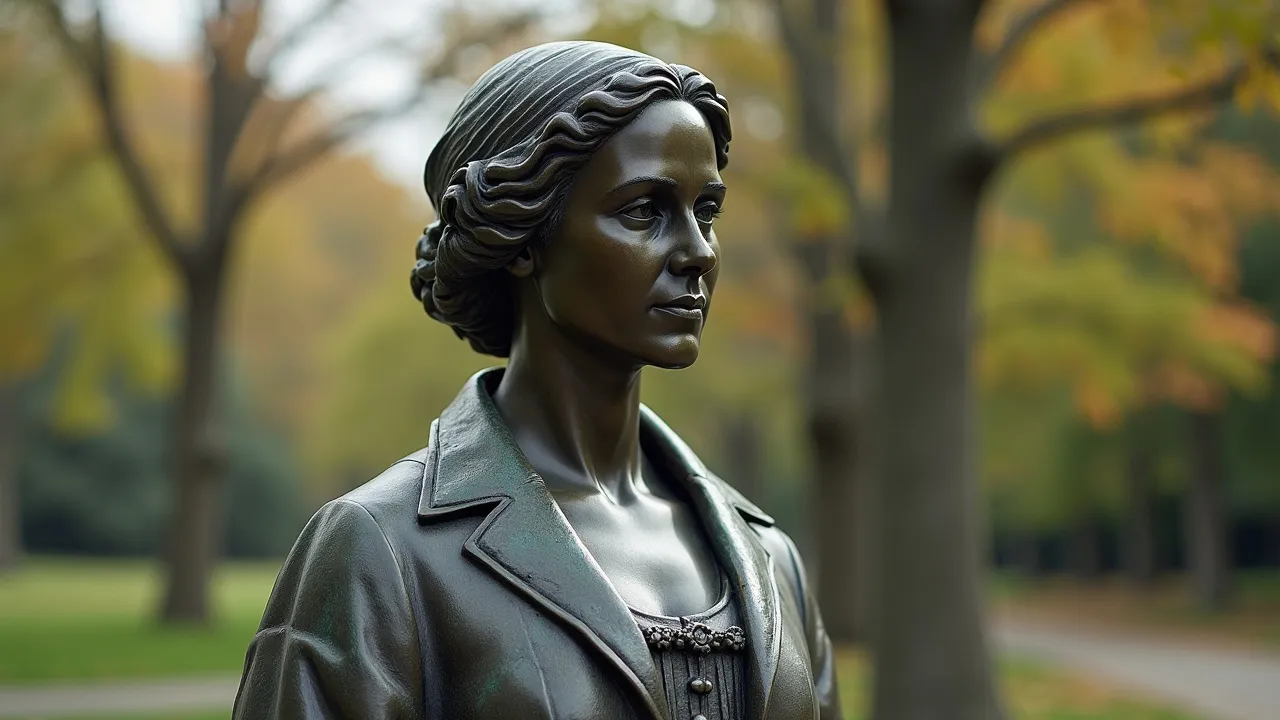
Susan B. Anthony Day, observed on February 15th, honors the pioneering suffragist who fought for women's right to vote. It serves as a reminder of the ongoing struggle for gender equality and celebrates her legacy.
The Historical Origins & Evolutionary Journey
Susan B. Anthony Day, observed annually on February 15th, marks the birthday of one of the most influential figures in American women's suffrage. This section explores the deep roots of the observance, from its inception to its modern-day significance.
The Foundational Catalyst
Susan B. Anthony was born on February 15, 1820, in Adams, Massachusetts. Her early involvement in the temperance and abolitionist movements shaped her lifelong commitment to social justice. In 1851, she met Elizabeth Cady Stanton, beginning a powerful partnership that would drive the women's suffrage movement for decades. Anthony's tireless activism included organizing conventions, delivering speeches, and publishing The Revolution, a weekly newspaper advocating for women's rights.
The Legislative/Official Adoption
The first official recognition of Susan B. Anthony Day came in 1978 when Florida declared it a state holiday. Over the years, other states followed suit, including New York, California, and Wisconsin. While not a federal holiday, the day has been recognized through proclamations and educational events. The date February 15th was chosen to honor her birth, aligning with her enduring legacy as a champion of equality.
Modern Global Legacy
Today, Susan B. Anthony Day extends beyond the United States. In countries like Canada and the United Kingdom, women's rights organizations mark the day with symposiums and fundraising campaigns. The observance has evolved to include discussions on intersectional feminism and voting rights, reflecting Anthony's broader vision of equality for all.
How to Celebrate Susan B. Anthony Day
Celebrating Susan B. Anthony Day involves engaging with history, advocating for gender equality, and empowering communities. Below are actionable strategies for individuals, schools, and organizations.
- Attend Educational Events: Many museums and historical societies host lectures and exhibits on women's suffrage. Check local listings for events near you.
- Volunteer for Women's Rights Organizations: Donate your time or resources to groups like the League of Women Voters or Planned Parenthood.
- Host a Film Screening: Show documentaries about the suffrage movement, such as Not for Ourselves Alone, followed by a discussion.
- Read Her Writings: Explore Susan B. Anthony's speeches and letters online. Discuss them with friends or a book club.
- Encourage Civic Participation: Register voters and educate others about the importance of voting in every election.
- In Schools: Teachers can incorporate lessons on women's history, assign research projects on suffragists, or organize a mock election.
- In the Workplace: Companies can host lunch-and-learns, highlight female leaders, or donate to women's charities.
- In Your Community: Organize a letter-writing campaign to elected officials about current issues affecting women.
Internationally, celebrations vary. In the UK, some groups hold suffrage-themed walks, while in India, activists use the day to highlight gender disparities. The key is to honor Anthony's legacy through action.
The Impact on Women's Suffrage Movement
Susan B. Anthony's relentless advocacy was instrumental in securing the 19th Amendment, which granted women the right to vote in 1920. This section details her direct and indirect contributions.
Pivotal Actions
In 1872, Anthony illegally voted in the presidential election and was arrested. Her trial garnered national attention, and she used the platform to argue that the Constitution already guaranteed women's suffrage. This act of civil disobedience energized the movement and inspired others to challenge unjust laws.
Organizational Leadership
Anthony co-founded the National Woman Suffrage Association (NWSA) in 1869, later merging with the American Woman Suffrage Association to form the National American Woman Suffrage Association (NAWSA). Her strategic planning and fundraising kept the movement alive through decades of setbacks.
Legacy of Persistence
Although Anthony died in 1906, 14 years before the 19th Amendment passed, her work laid the foundation for future victories. Her motto, "Failure is impossible," became a rallying cry for suffragists.
Recognition Across the United States
While Susan B. Anthony Day is not a federal holiday, it is recognized in various forms across the country. This section maps its adoption state by state.
- Florida: First state to declare it a holiday in 1978. State offices and schools observe the day.
- New York: Declared a holiday in 1994, honoring Anthony's home state (though she was born in Massachusetts, she lived in New York).
- California: Recognized since 2015 through proclamation, with events organized by local women's groups.
- Wisconsin: Officially observed since 1979; the state has a strong history of progressive activism.
- Other States: Vermont, Illinois, and Michigan have non-binding resolutions encouraging observance.
Efforts to make it a national holiday have gained support from organizations like the National Women's History Museum, but Congress has not yet passed legislation.
Educational and Cultural Significance
Susan B. Anthony Day serves as a platform for educational initiatives and cultural reflections on gender equality. This section highlights its role in shaping public consciousness.
Curriculum Integration
Schools use the day to teach about women's history, civil rights, and the importance of civic engagement. Many districts require lesson plans that cover Anthony's life and the broader suffrage movement.
Cultural Events
Museums like the Susan B. Anthony Museum & House in Rochester, New York, host open houses and special tours. Virtual events allow global participation, including live-streamed lectures and Q&A sessions with historians.
Media and Literature
The day inspires new publications, films, and social media campaigns. Hashtags like #SusanBAnthonyDay trend on Twitter, amplifying stories of modern-day activists.
Historical Timeline
Susan B. Anthony born on February 15 in Adams, Massachusetts.
Anthony meets Elizabeth Cady Stanton, beginning their lifelong collaboration for women's rights.
Co-founds the National Woman Suffrage Association (NWSA) with Stanton.
Arrested for voting illegally in the presidential election; trial draws national attention.
Anthony dies on March 13 in Rochester, New York, at age 86.
The 19th Amendment is ratified, granting women the right to vote, 14 years after Anthony's death.
Florida becomes the first state to declare Susan B. Anthony Day a state holiday.
Centennial of the 19th Amendment; Susan B. Anthony Day events held nationwide, highlighting her legacy.