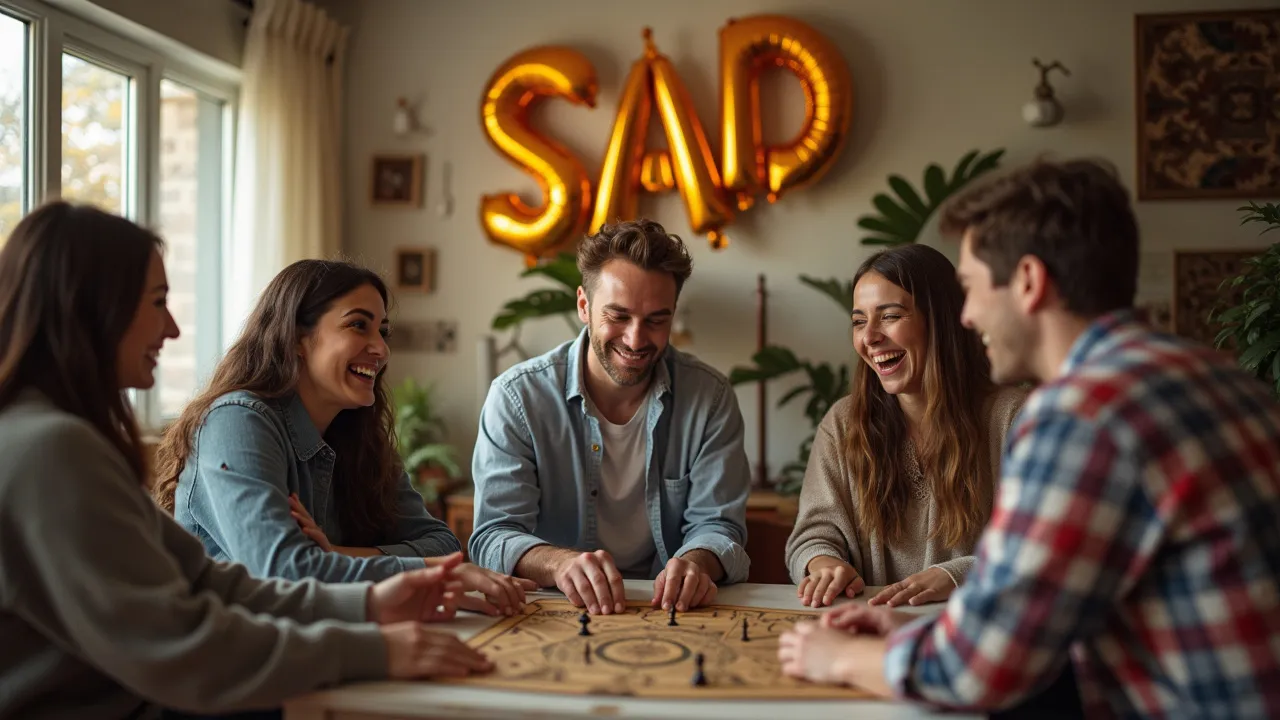
Singles Awareness Day (SAD) is celebrated on February 15th as a lighthearted alternative to Valentine's Day, embracing singlehood with humor, self-care, and friendly gatherings. It offers singles an opportunity to celebrate their independence and self-worth.
The Historical Origins & Evolutionary Journey
Singles Awareness Day (SAD) emerged as a grassroots counter-celebration to Valentine's Day, observed annually on February 15th. While Valentine's Day focuses on romantic love, SAD flips the script by celebrating singlehood, self-love, and platonic connections. Its origins are both humorous and heartfelt, born from the frustration of single individuals feeling left out on February 14th.
The Foundational Catalyst
The term 'Singles Awareness Day' was popularized in the early 2000s through online forums and college campuses. The most widely cited founder is Dustin Barnes, a college student from Mississippi who, in 2001, jokingly declared the day after Valentine's as Singles Awareness Day. He and his friends wore black, avoided romance, and treated it as a humorous 'reminder' of their single status. The concept quickly spread via early internet memes and campus events.
The Legislative/Official Adoption
Though never officially recognized by any government, SAD gained traction as a cultural phenomenon. By the 2010s, it was featured in media outlets like BuzzFeed and The Huffington Post. Retailers began offering 'anti-Valentine's' sales on February 15th, selling discounted chocolates and greeting cards celebrating independence. Some workplaces and schools adopted informal traditions, like 'Single Pride' potlucks or movie nights.
Modern Global Legacy
Today, SAD is observed in multiple countries, including the United States, Canada, the United Kingdom, and Australia. It has evolved to include themes of self-care, empowerment, and even charity. Social media plays a huge role, with hashtags like #SinglesAwarenessDay and #SAD encouraging people to share their celebrations. In 2024, millions of posts on platforms like Instagram and TikTok featured everything from solo travel to group dinners, solidifying SAD as a legitimate annual observance.
How to Celebrate Singles Awareness Day
Celebrating Singles Awareness Day can be as simple or elaborate as you like. The key is to focus on self-love, friendship, and fun. Here is a definitive guide to making the most of February 15th.
Personal Celebrations
- Self-Care Day: Treat yourself to a spa day, a long bath, or a favorite hobby. Spend the day doing things that make you happy.
- Buy Yourself a Gift: Take advantage of post-Valentine's sales to buy something you've wanted, like a book, gadget, or clothing.
- Write a Love Letter to Yourself: Reflect on your strengths and accomplishments. It's a powerful exercise in self-appreciation.
Social Celebrations
- Host a 'SAD' Party: Gather your single friends for a movie night, game night, or potluck. The theme can be anti-romance or simply celebrating friendship.
- Plan a Group Outing: Go bowling, see a movie, or have a dinner out. Many restaurants offer 'Singles Night' specials.
- Volunteer Together: Spend the evening helping at a shelter or community center. Giving back is a great way to feel connected.
Corporate and School Celebrations
Organizations can acknowledge SAD by hosting inclusive events. Ideas include:
- A 'Single & Thriving' workshop on self-esteem.
- A potluck where everyone brings a dish representing their independence.
- A team-building activity that doesn't require a partner.
Global Variations
In China, a similar celebration called 'Singles Day' (November 11) is a massive shopping event. However, Western SAD focuses more on emotional well-being. In the UK, some pubs host 'Anti-Valentine's' parties on February 15th. In Japan, people might celebrate by treating themselves to a nice meal alone.
Cultural Impact and Global Variations
Singles Awareness Day has grown from a niche joke to a globally recognized cultural event. Its impact is seen in how society views singlehood—once stigmatized, now increasingly celebrated.
United States
In the US, SAD is a lighthearted day for singles to revel in their independence. Greeting cards, T-shirts, and even novelty gifts are sold. Many radio stations run call-in segments where listeners share their best 'single' moments.
United Kingdom
Brits have embraced SAD with themed events at pubs and clubs. Social media campaigns like #SADUK encourage people to post photos of their celebrations, often with a humorous twist.
Australia
Australians often use SAD as an excuse for a barbecue or beach day with friends. The warm weather in February makes outdoor activities popular.
Asia
While China's Singles Day (November 11) is a commercial behemoth, some Asian countries have adopted the Western SAD as an additional day for singles. In India, urban youth celebrate with parties and self-care routines.
The global spread of SAD reflects changing social norms: more people are marrying later, and singlehood is increasingly a choice. This day validates those choices and fosters community.
Societal Themes and Criticism
Singles Awareness Day is not without its controversies. Critics argue that it can reinforce loneliness or commercialization. However, proponents say it promotes positive self-image and inclusivity.
Positive Themes
- Self-Love: Encourages people to appreciate themselves independent of a relationship.
- Community: Provides a reason for singles to gather and support each other.
- Humor: The lighthearted nature helps destigmatize being single.
Criticisms
- Commercialization: Some feel that the day is exploited by retailers to sell products.
- Loneliness Amplification: For those who are single but not by choice, the day might highlight their solitude.
- Exclusivity: The name 'Singles Awareness Day' might alienate couples or people in relationships who also want to join.
Despite criticisms, many find value in the day. It can be adapted to focus on all forms of love, not just romantic, making it inclusive for everyone.
Modern Celebrations in the Digital Age
Technology has transformed how Singles Awareness Day is celebrated. Social media, dating apps, and streaming platforms have created new rituals.
Social Media Campaigns
Hashtags like #SinglesAwarenessDay and #SAD trend on Twitter, Instagram, and TikTok. Users share humorous memes, self-care tips, and photos of their celebrations. Some create virtual watch parties for movies or shows.
Dating App Promotions
Dating apps like Tinder and Bumble often run special events on February 15th, such as 'Single's Day' profile prompts or virtual speed dating. These activities help singles connect in a low-pressure way.
Streaming Services
Netflix and Hulu curate 'SAD' playlists with movies and series that celebrate being single, like 'Bridget Jones's Diary' or 'Eat Pray Love'.
The digital age allows for both online and offline participation, making SAD accessible to anyone with an internet connection.
Mental Health and Self-Love
Singles Awareness Day has evolved into a platform for mental health advocacy, emphasizing the importance of self-love and emotional well-being.
Self-Love Practices
- Mindfulness Meditation: Focusing on the present moment can reduce feelings of loneliness.
- Journaling: Write about your goals, achievements, and what you love about being single.
- Affirmations: Repeat positive statements like 'I am whole on my own'.
Combating Loneliness
For many, SAD can trigger sadness. Mental health experts suggest using the day to reach out to friends, join a support group, or volunteer. Connecting with others can alleviate feelings of isolation.
The day serves as a reminder that happiness does not depend on relationship status. By promoting self-care and community, SAD contributes to a healthier mindset around singlehood.
Historical Timeline
Dustin Barnes, a Mississippi college student, first coins the term 'Singles Awareness Day' and celebrates it on February 15th with friends. The concept spreads via early internet memes.
The first 'Singles Awareness Day' parties appear on college campuses across the United States. Students wear black and gather for anti-Valentine's events.
Online retailers begin offering 'Singles Awareness Day' sales, including discounts on chocolates and gifts for singles.
BuzzFeed publishes a listicle titled '30 Ways to Celebrate Singles Awareness Day,' boosting the day's recognition.
The hashtag #SinglesAwarenessDay trends on Twitter for the first time, with over 100,000 tweets.
Major retailers like Target and Walmart start advertising 'SAD' sales on February 15th, solidifying the day's commercial presence.
The United Kingdom sees a surge in SAD-themed pub events, with some venues offering 'Single and Ready to Mingle' nights.
Dating apps like Bumble and Tinder introduce special 'Singles Awareness Day' prompts, encouraging users to celebrate their single status.
Singles Awareness Day becomes a globally recognized event, with celebrations in over 20 countries and millions of social media posts.