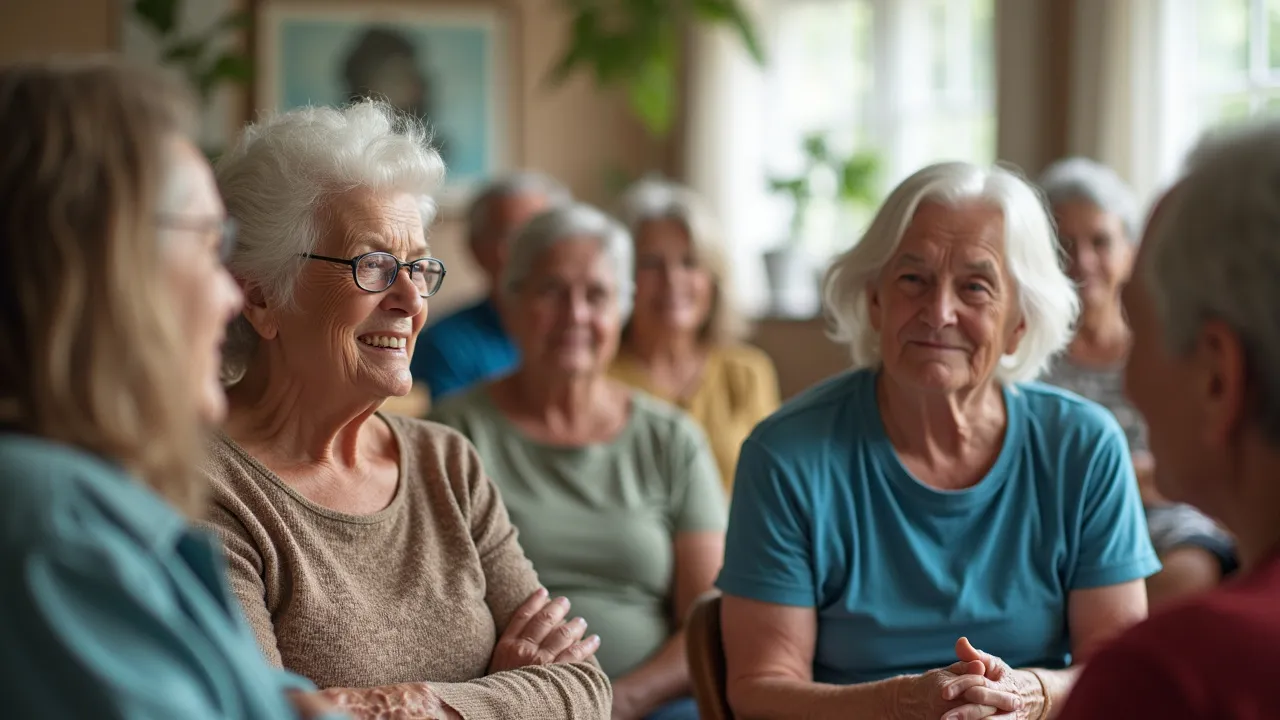
World Elder Abuse Awareness Day (June 15) is a United Nations-sanctioned observance aimed at raising awareness of elder abuse and neglect. It encourages communities worldwide to recognize the signs and take action to protect the dignity and rights of older persons.
The Historical Origins & Evolutionary Journey
World Elder Abuse Awareness Day (WEAAD) has its roots in a growing global recognition of elder maltreatment as a public health and human rights issue. The observance was formally established by the United Nations General Assembly in 2011 through Resolution 66/127, with the first commemoration on June 15, 2012. However, the movement traces back decades earlier.
The Foundational Catalyst
In the late 20th century, demographic shifts worldwide led to an aging population, prompting researchers and advocates to shine a light on abuse affecting older adults. The International Network for the Prevention of Elder Abuse (INPEA), founded in 1997, became a driving force. By 2002, the World Health Organization (WHO) released the Toronto Declaration on the Global Prevention of Elder Abuse, setting an international standard. INPEA and other NGOs lobbied for a dedicated day, initially celebrating a precursor event in 2006.
The Legislative/Official Adoption
In December 2011, the UN General Assembly officially designated June 15 as World Elder Abuse Awareness Day. This resolution encouraged member states to develop policies and programs to prevent elder abuse. The first official WEAAD on June 15, 2012, featured events in over 100 countries, including seminars, media campaigns, and community walks. Governments like the United States (via the Elder Justice Act) and the European Union integrated the day into their social calendars.
Modern Global Legacy
Today, WEAAD is marked by countless organizations—from local senior centers to global bodies like the WHO and the United Nations Open-Ended Working Group on Ageing. Key initiatives include the #WEAAD social media campaign, annual themes (e.g., 'Doing the Right Thing' in 2024), and the Global Report on Elder Abuse published by WHO. The day has evolved from awareness to action, pushing for stronger legal frameworks, support services, and intergenerational programs.
How to Celebrate World Elder Abuse Awareness Day
Participation in WEAAD can take many forms, from individual actions to large institutional campaigns. The goal is to educate, connect, and prevent. Below are actionable strategies for different groups.
For Individuals
- Educate Yourself: Learn the warning signs of elder abuse (physical, emotional, financial, neglect). Use online resources from the WHO or National Center on Elder Abuse.
- Reach Out: Call or visit an older relative or neighbor. A simple check-in can reduce social isolation, a risk factor for abuse.
- Wear Purple: Purple is the official color of WEAAD. Wearing a purple ribbon or clothing sparks conversations.
- Support Organizations: Donate to or volunteer with local elder abuse prevention hotlines or senior centers.
For Schools and Youth Groups
- Host an intergenerational event where students and seniors share stories.
- Create art or poster campaigns highlighting elder rights.
- Invite a social worker to discuss ageism and respect for older adults.
For Organizations and Businesses
- Train Staff: Conduct workshops on identifying and reporting elder abuse.
- Social Media Campaign: Use #WEAAD and share infographics. Example: 'Elder abuse affects 1 in 6 older adults worldwide.'
- Policy Review: Ensure workplace policies protect older employees and clients.
International Traditions
Different regions have unique customs. In Canada, municipalities often light landmarks in purple. In India, NGOs organize health camps and legal aid clinics. In Brazil, the day pairs with National Elderly Day (October 1) for extended outreach. The United Nations hosts an annual virtual conference with experts and survivors.
Understanding the Forms of Elder Abuse
Elder abuse is a multifaceted problem. Recognizing its forms is essential for prevention and intervention. The World Health Organization identifies several types:
Physical Abuse
Involves hitting, shoving, or inappropriate use of restraints. It often leaves bruises or fractures. Warning signs: Unexplained injuries, fear of a caregiver, or flinching.
Emotional or Psychological Abuse
Includes verbal assaults, threats, humiliation, or social isolation. Signs: Withdrawal, depression, or sudden changes in behavior.
Financial Abuse
The illegal or improper use of an elder's funds, property, or assets. Common forms include unauthorized credit card use, forging signatures, or scams. Red flags: Unexplained bank withdrawals, missing valuables, or sudden changes in a will.
Neglect
Failure to provide necessary care, such as food, water, medications, or hygiene. Self-neglect is also a concern. Indicators: Poor hygiene, dehydration, untreated bedsores.
Sexual Abuse
Non-consensual sexual contact with an older adult. Signs: Bruising near genitals, sexually transmitted infections, or emotional distress.
Abuse often occurs at home, in nursing homes, or in long-term care facilities. Perpetrators can be family members, caregivers, or strangers. Risk factors: social isolation, cognitive decline (dementia), and dependency on others.
Global Impact and Statistics
Elder abuse is a silent epidemic with profound consequences. According to the World Health Organization, approximately 1 in 6 people aged 60 and older experienced some form of abuse in the past year—that's 237 million individuals globally. Rates are higher in institutional settings (2 in 3 staff report committing abuse).
Health and Economic Costs
Victims of elder abuse are twice as likely to die prematurely. They also experience higher rates of depression, hospitalization, and emergency visits. The economic toll is staggering: billions of dollars lost to fraud, healthcare costs, and lost productivity. In the United States alone, financial elder abuse costs victims an estimated $36.5 billion annually.
Regional Variations
- Europe: Prevalence rates range from 2% to 10%, with neglect being most common.
- Africa: Underreporting is high due to cultural norms and weak legal protections.
- Asia-Pacific: Rapidly aging populations (e.g., Japan, China) are seeing rising reports of financial scams and family neglect.
- Americas: Both the U.S. and Canada have dedicated hotlines and federal laws, yet underreporting persists.
Many cases go unreported because victims fear retaliation, depend on the abuser, or lack awareness. WEAAD aims to break this silence by promoting reporting mechanisms and community support.
Role of Governments and Organizations
Addressing elder abuse requires coordinated action at all levels. Below are key roles and initiatives.
Governmental Actions
- Legislation: Many countries have passed elder abuse laws (e.g., U.S. Elder Justice Act of 2009, Japan's Elder Abuse Prevention Law of 2006).
- Adult Protective Services (APS): Agencies that investigate abuse and provide emergency services.
- National Action Plans: Countries like Australia and the UK have multi-year strategies. On WEAAD, they release progress reports.
International Organizations
United Nations: Through the Open-Ended Working Group on Ageing, it promotes a convention on the rights of older persons. The WHO develops evidence-based guidelines and training tools.
INPEA coordinates global events and resources. HelpAge International runs advocacy campaigns in developing countries.
Local Initiatives
- Community Coalitions: Bring together police, health care, banks, and senior centers to identify and respond to abuse.
- Training for Professionals: Bank tellers, postal workers, and healthcare staff learn to spot exploitation.
- Hotlines: For example, the U.S. National Elder Abuse Hotline (1-800-677-1116). Many countries have similar services.
Future Directions and Challenges
While WEAAD has raised awareness, significant challenges remain. The global population aged 60+ is projected to reach 2 billion by 2050, which will likely increase abuse cases unless prevention scales up.
Emerging Issues
- Financial scams: Online fraud targeting seniors is on the rise, especially cryptocurrency and romance scams.
- Pandemic fallout: COVID-19 exposed and worsened elder abuse due to isolation and strain on care systems.
- Climate change: Disasters disproportionately affect older adults, increasing abuse risks in evacuation and recovery.
Innovations and Solutions
- Technology: Apps for reporting abuse, wearable devices for safety monitoring, and AI to detect financial fraud.
- Intergenerational Programs: Sharing housing, mentorship, and community projects reduce ageism and isolation.
- Legal Reforms: Advocacy for a UN convention on the rights of older persons, which would provide a binding framework.
The theme for WEAAD 2025 is expected to focus on 'Digital Inclusion and Safety,' reflecting the need to protect elders in the digital age. Every June 15, we recommit to creating a world where older adults live with dignity and security.
Historical Timeline
The International Network for the Prevention of Elder Abuse (INPEA) is founded to coordinate global efforts against elder maltreatment.
The World Health Organization releases the Toronto Declaration on the Global Prevention of Elder Abuse, establishing a framework for action.
INPEA launches a preliminary awareness day on June 15, later recognized as the precursor to WEAAD.
The UN General Assembly adopts Resolution 66/127, officially designating June 15 as World Elder Abuse Awareness Day.
First official global observance of WEAAD on June 15, with events across 100+ countries.
The WHO publishes the first Global Report on Elder Abuse, highlighting prevalence and risks.
The UN Open-Ended Working Group on Ageing accelerates discussions on a convention for older persons' rights.
COVID-19 pandemic leads to increased reports of elder abuse; WEAAD focuses on 'Protecting Older Persons in Emergencies.'
10th anniversary of WEAAD; the WHO and partners launch a campaign to triple awareness by 2030.
Theme 'Doing the Right Thing' emphasizes legal and ethical responsibilities to stop elder abuse.