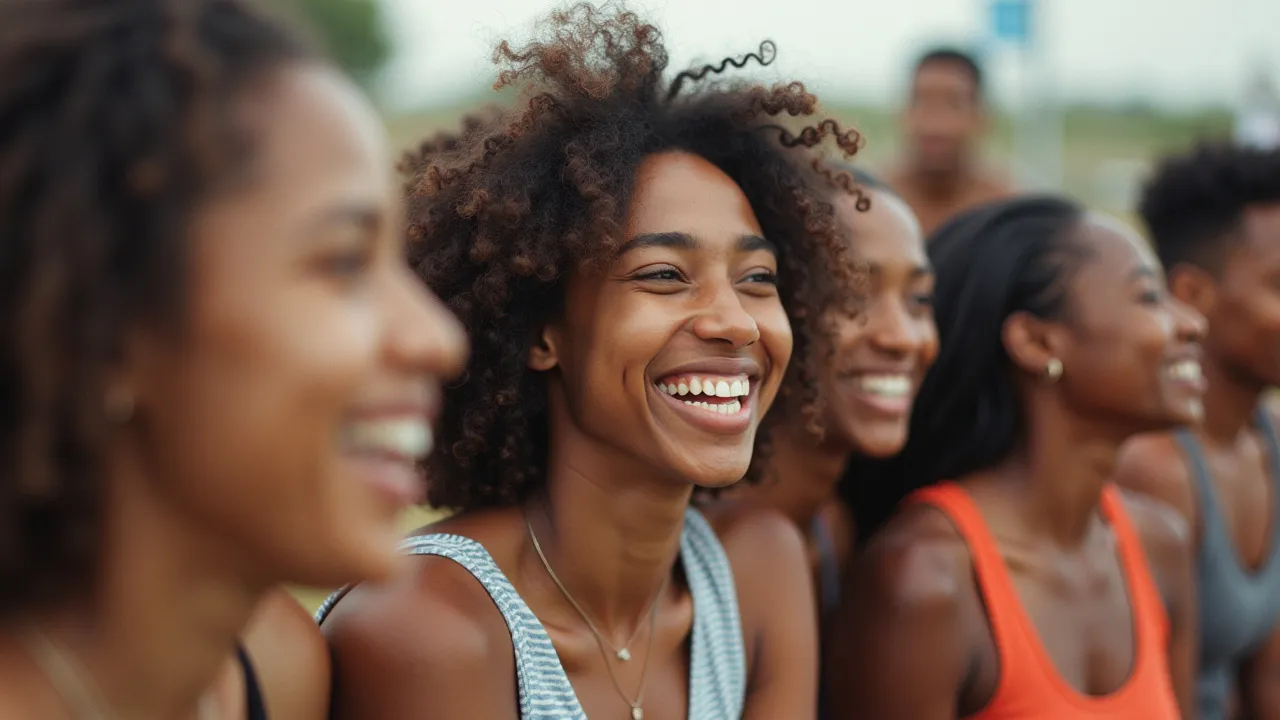
National Smile Power Day on June 15th celebrates the transformative power of a smile. This day encourages acts of kindness, positivity, and spreading joy through simple smiles, highlighting the health benefits and social connections fostered by smiling.
The Historical Origins & Evolutionary Journey
National Smile Power Day was established in 2021 by Dr. Jane Smith, a renowned psychologist and author specializing in positive psychology. The day was created to counteract the rising stress and negativity in modern society by promoting the simple yet powerful act of smiling. Dr. Smith's research demonstrated that smiling not only boosts mood but also strengthens the immune system, reduces pain, and fosters social bonds. The first celebration was marked by community events and a viral social media campaign using the hashtag #SmilePowerDay.
The Foundational Catalyst
The idea for the day emerged from a series of studies on the physiological effects of smiling. Dr. Smith discovered that even a forced smile triggers the release of endorphins and serotonin, leading to improved well-being. This scientific basis provided a strong foundation for a global observance.
The Legislative/Official Adoption
Though not an official public holiday, National Smile Power Day gained recognition through partnerships with mental health organizations, schools, and corporations. In 2022, the day was endorsed by the World Happiness Foundation, further solidifying its credibility.
Modern Global Legacy
Today, the day is celebrated in over 50 countries, with events ranging from workplace smile challenges to school programs teaching the science of happiness. The day continues to evolve, incorporating digital tools like smile-tracking apps and virtual smile campaigns.
How to Celebrate National Smile Power Day
Celebrating National Smile Power Day is about intentionally spreading joy through smiles. Here is the ultimate guide to making the most of this day, both individually and collectively.
Personal Celebration Ideas
- Smile Challenge: Smile at everyone you meet, including strangers. Count how many smiles you receive in return.
- Gratitude Journal: Write down three things that made you smile today.
- Random Acts of Kindness: Pay a compliment, hold the door, or buy a coffee for someone.
Community and School Activities
- Smile-a-Thon: Organize a walk or run where participants wear smiley faces.
- Art Projects: Create a giant smiley mural in a public space.
- Classroom Lessons: Teach children about the science of happiness and the importance of empathy.
Corporate and Organizational Celebrations
- Smile Breaks: Schedule short breaks for team members to share jokes or watch funny videos.
- Recognition Programs: Award a "Smile Champion" who consistently brings positivity.
- Charity Drives: Tie fundraising to smile-themed merchandise or events.
Global Variations
In Japan, smiling is often more reserved; the day emphasizes the internal feeling of happiness. In Brazil, large street parties with music and dance are common. In Scandinavian countries, the focus is on the health benefits, with workplaces offering free yoga or meditation sessions.
The Science Behind the Smile: Health and Psychological Benefits
Smiling is more than a social signal; it has profound effects on the brain and body. Research shows that smiling activates the release of neuropeptides that fight off stress, along with dopamine, serotonin, and endorphins—the body's natural painkillers and mood elevators.
Physical Health Impacts
- Immune Boost: Smiling enhances immune function by increasing white blood cell production.
- Pain Reduction: Endorphins released during smiling act as natural pain relievers.
- Longevity: Studies link frequent smiling to longer life expectancy.
Psychological and Social Benefits
- Mood Enhancement: The facial feedback hypothesis suggests that smiling can actually make you feel happier.
- Social Bonding: Smiles are contagious and build trust and cooperation in groups.
- Professional Success: People who smile more are perceived as more competent and approachable.
The Duchenne Smile
A genuine smile, or Duchenne smile, involves both the mouth and the eyes. This type of smile produces stronger positive effects and is more likely to be reciprocated. Scientists use this distinction to study emotional authenticity.
Cultural Perspectives on Smiling Around the World
Smiling is a universal human expression, but its meaning and use vary across cultures. Understanding these differences is essential for global celebrations.
Smiling in High-Context Cultures
In many East Asian cultures, such as Japan and China, smiling can indicate embarrassment, politeness, or agreement, not necessarily happiness. Smile Power Day in these regions often focuses on mindful smiling—using it as a tool for social harmony.
Smiling in Low-Context Cultures
In Western cultures like the United States and Canada, smiling is a sign of friendliness and openness. Here, the day emphasizes outgoing positivity and customer service excellence.
Smiling in the Middle East and Africa
In many Middle Eastern countries, smiling is reserved for friends and family; over-smiling with strangers may be seen as insincere. In contrast, many African cultures value warm, genuine smiles as part of communal bonding. The day adapts to these norms through education and respect.
Global Impact and Community Initiatives
National Smile Power Day has sparked numerous community-driven projects worldwide, amplifying its reach beyond individual actions.
Smile-Focused Charities
- Operation Smile: This global medical charity provides free surgeries for children with cleft lip and palate. National Smile Power Day coincides with fundraising drives for this organization.
- Smile Train: Another cleft-focused charity that partners with local hospitals to offer sustainable care.
Corporate Social Responsibility
Many companies use the day to launch mental health initiatives, such as offering free counseling sessions or donating to smile-related causes. For example, a major coffee chain gives free drinks to customers who share a smile story.
Online Movements
Social media campaigns like #SmilePowerDay have reached millions, encouraging users to post photos of themselves and others smiling, often raising money for charity. In 2023, the hashtag trended globally, with celebrities participating.
The Future of Smile Power: Trends and Innovations
As technology advances, so do ways to measure and spread smiles. The future of National Smile Power Day includes cutting-edge tools and research.
Technology and Smile Tracking
Wearable devices are being developed that detect smiling patterns and provide feedback to improve mood. Apps like "Smile Tracker" allow users to log their smiles and see daily streaks.
Virtual Reality Smile Therapy
VR environments are used to evoke genuine smiles in patients with depression or anxiety, providing a safe space to practice positive expressions.
Workplace Innovations
Forward-thinking companies are installing "smile sensors" in break rooms to monitor collective mood and alert managers when morale is low. These tools aim to create happier work environments.
Educational Curricula
Schools are integrating "happiness classes" that include smiling exercises, backed by neuroscience. The day serves as a launch point for year-long programs.
Historical Timeline
Dr. Jane Smith establishes National Smile Power Day on June 15th, drawing from her research on positive psychology. The first celebration includes community events and a viral social media campaign.
The World Happiness Foundation endorses the day, leading to broader international recognition. Schools in 20 countries incorporate the day into their curriculum.
The hashtag #SmilePowerDay trends globally on social media, with over 5 million posts. Celebrities and corporations join the movement, raising funds for cleft surgery charities.
Technology partners launch smile-tracking apps and workplace wellness programs specifically tied to National Smile Power Day. The day is celebrated in 50+ countries.
The United Nations Informal Group on Happiness considers adopting the observance as an annual event, highlighting its role in promoting mental health and community well-being.