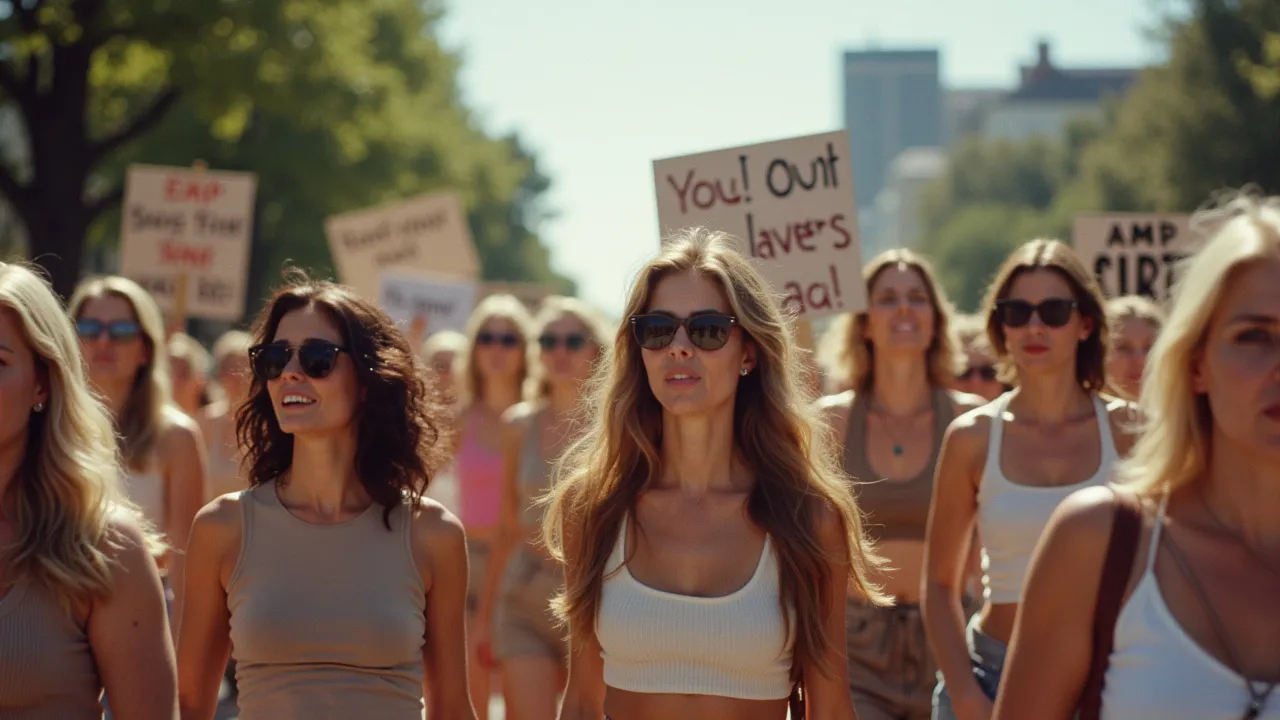
Women's Equality Day, observed on August 26th, commemorates the 1920 certification of the 19th Amendment, granting women the right to vote. It celebrates the ongoing fight for gender equality and honors the suffragists who paved the way.
The Historical Origins & Evolutionary Journey
Women's Equality Day, observed annually on August 26th, marks a pivotal moment in American history: the certification of the 19th Amendment in 1920, which prohibited denying the right to vote based on sex. However, the journey to this milestone was long and arduous, rooted in decades of activism.
The Foundational Catalyst
The suffrage movement began in earnest at the Seneca Falls Convention in 1848, where Elizabeth Cady Stanton and Lucretia Mott issued the Declaration of Sentiments, demanding equal rights for women, including the vote. This gathering ignited a 72-year struggle involving marches, petitions, and civil disobedience. Key figures like Susan B. Anthony, Sojourner Truth, and Alice Paul faced arrests, ridicule, and violence but never wavered.
The movement's strategy evolved over time. Early efforts focused on state-by-state campaigns, but by the early 20th century, suffragists shifted to a federal amendment strategy. The National American Woman Suffrage Association (NAWSA), led by Carrie Chapman Catt, employed grassroots organizing, while the National Woman's Party (NWP) under Alice Paul used more militant tactics, including picketing the White House and hunger strikes.
The Legislative/Official Adoption
The 19th Amendment was passed by Congress on June 4, 1919, and sent to the states for ratification. The final ratification came from Tennessee on August 18, 1920, and the amendment was certified by Secretary of State Bainbridge Colby on August 26, 1920. This date was chosen by Rep. Bella Abzug in 1971 to officially propose Women's Equality Day, which Congress designated via joint resolution in 1973.
Modern Global Legacy
While the 19th Amendment was a monumental victory, it primarily benefited white women; women of color faced continued disenfranchisement through Jim Crow laws and other barriers. The legacy of Women's Equality Day now encompasses a broader fight for intersectional equality, including reproductive rights, equal pay, and representation in leadership. Today, it is a day to reflect on progress and renew commitment to full gender equality.
How to Celebrate Women's Equality Day
Women's Equality Day is a time for education, advocacy, and celebration. Here are actionable ways individuals, schools, and organizations can commemorate the day and advance gender equality.
For Individuals
- Educate yourself: Read about the suffrage movement and intersectional feminism. Watch documentaries like Iron Jawed Angels.
- Attend events: Participate in local parades, rallies, or virtual webinars focused on women's rights.
- Support women-owned businesses: Make a conscious effort to purchase from female entrepreneurs.
- Register to vote and encourage others: Honor the suffragists by exercising your right to vote.
For Schools and Universities
- Organize a teach-in on the history of women's suffrage and contemporary issues.
- Host a poster-making contest with themes of equality and empowerment.
- Invite speakers—female leaders, historians, or activists—to share their perspectives.
For Organizations and Corporations
- Launch a gender equity campaign reviewing pay gaps, parental leave policies, and representation on boards.
- Encourage employees to wear purple, white, and gold (colors of the suffrage movement).
- Donate to charities supporting women's education, health, or legal rights.
Globally, celebrations vary. In countries where women still lack basic rights, the day may focus on protest and awareness. In others, it's a day of cultural events and recognition of female achievements.
Global Impact and Intersectionality
While Women's Equality Day is rooted in U.S. history, its message resonates worldwide. The struggle for gender equality transcends borders, and many nations have their own observances tied to suffrage anniversaries. For instance, International Women's Day (March 8) is a global parallel, but Women's Equality Day uniquely highlights legal enfranchisement.
Intersectionality in Modern Feminism
The 19th Amendment's limitations exposed the need for an intersectional approach. Women of color, Indigenous women, and LGBTQ+ individuals often faced compounded discrimination. Today, Women's Equality Day increasingly acknowledges these layers, with themes addressing racial justice, economic equity, and reproductive freedom.
Global progress remains uneven. According to UN Women, as of 2023, women hold only 26% of parliamentary seats worldwide. The gender pay gap persists, and violence against women is a pandemic. Women's Equality Day serves as a reminder that the fight is far from over, demanding solidarity across cultures and generations.
Core Societal Themes of Women's Equality Day
Several core themes underpin the observance of Women's Equality Day, reflecting both historical and contemporary struggles.
- Voting Rights as a Foundation: The right to vote is the bedrock of democratic participation. The day underscores that suffrage was not a gift but a hard-won victory.
- Economic Empowerment: Equality in the workplace—equal pay, paid leave, and anti-discrimination laws—is a central focus.
- Representation in Leadership: From politics to corporate boards, women's voices must be heard in decision-making.
- Reproductive Autonomy: Control over one's body is inseparable from full citizenship and equality.
- Ending Gender-Based Violence: Safety and freedom from harassment are prerequisites for equality.
These themes are not isolated; they intersect and amplify one another. For example, economic empowerment reduces vulnerability to violence, and representation leads to policies that support reproductive rights.
Industry Transformations and the Future
Women's Equality Day also prompts reflection on industry-specific changes needed to achieve parity.
Technology and STEM
The tech industry has a notorious gender gap, with women holding only about 25% of computing jobs. Initiatives like Girls Who Code and mentorship programs aim to close this gap. On Women's Equality Day, tech companies often announce diversity goals or scholarships for women in STEM.
Media and Entertainment
Representation matters. The #MeToo movement exposed systemic abuse, leading to more inclusive hiring practices. Women's Equality Day sees campaigns promoting women-directed films, female journalists, and equitable storytelling.
Healthcare
Gender bias in medical research has historically harmed women's health. The day highlights the need for female-inclusive clinical trials and policies addressing maternal mortality and reproductive health access.
Legal and Policy Advances
Countries are increasingly adopting legislation to enforce equality, such as the Equal Rights Amendment (ERA) in the U.S., which remains unratified. Women's Equality Day serves as a rallying point for ratification efforts.
The future of equality depends on sustained activism, policy reforms, and cultural shifts. Emerging technologies like AI risk encoding bias unless women are involved in development. The day calls for proactive measures to ensure that technological progress benefits all genders equally.
Historical Timeline
Seneca Falls Convention: First women's rights convention organized by Elizabeth Cady Stanton and Lucretia Mott, issuing the Declaration of Sentiments demanding suffrage.
Formation of the National Woman Suffrage Association (NWSA) by Susan B. Anthony and Stanton, and the American Woman Suffrage Association (AWSA) by Lucy Stone.
NWSA and AWSA merge to form the National American Woman Suffrage Association (NAWSA), led by Carrie Chapman Catt.
Alice Paul founds the Congressional Union (later the National Woman's Party), organizing the first suffrage parade in Washington, D.C.
Silent Sentinels begin picketing the White House; many are arrested and force-fed during hunger strikes.
19th Amendment ratified (Aug 18) and certified (Aug 26), granting women the right to vote.
Rep. Bella Abzug introduces a bill to designate August 26 as Women's Equality Day.
Congress passes a joint resolution officially declaring August 26 as Women's Equality Day.
Hillary Clinton becomes the first woman nominated for president by a major party, highlighting ongoing progress.
Centennial of the 19th Amendment celebrated with renewed calls for the Equal Rights Amendment and intersectional equality.