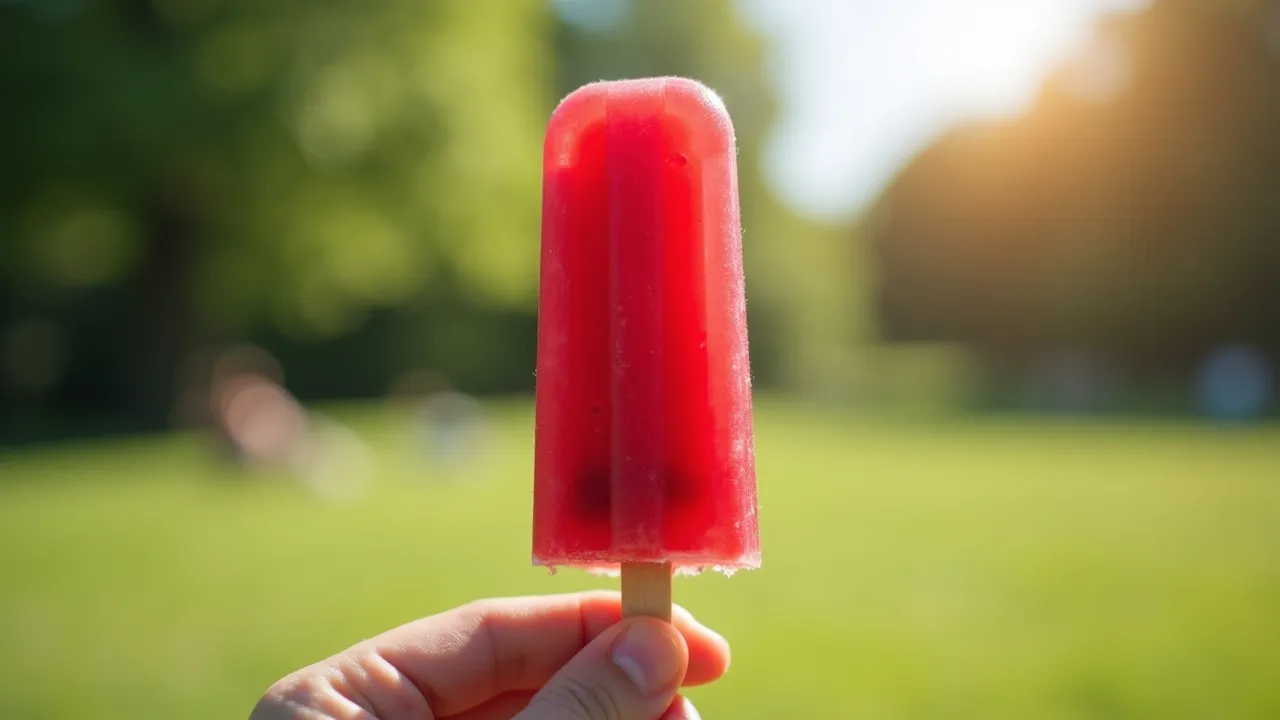
National Cherry Popsicle Day, observed on August 26th, celebrates the iconic frozen cherry treat. From its accidental invention to modern-day popularity, this day honors a refreshing summer classic enjoyed by all ages.
The Historical Origins & Evolutionary Journey
National Cherry Popsicle Day, observed annually on August 26th, traces its roots to the serendipitous invention of the popsicle itself. In 1905, an 11-year-old boy named Frank Epperson accidentally left a mixture of powdered soda and water with a stirring stick outside on a cold night. The next morning, he discovered the first frozen pop—a fruit-flavored ice lolly. Though the original was not cherry, the cherry variant soon became a staple after Epperson patented the "Epsicle" in 1924 and later sold the rights to the Popsicle brand.
The Foundational Catalyst
Cherry emerged as a dominant flavor due to its natural sweetness, vivid red color, and universal appeal. During the Great Depression, Popsicle introduced twin-stick popsicles to allow two children to share for a nickel—boosting sales. Cherry remained the best-selling flavor for decades, cemented by its nostalgic connection to summer and childhood.
The Legislative/Official Adoption
No official government proclamation exists, but National Cherry Popsicle Day was popularized by National Day Calendar and food bloggers in the early 2000s. It gained traction through social media campaigns, freezer aisle promotions, and community events. The date August 26th was chosen to extend summer enjoyment before autumn begins.
Modern Global Legacy
Today, cherry popsicles are produced worldwide, from artisanal fruit-ice makers to major brands like Outshine and GoodPop. The day is recognized in the United States, Canada, and parts of Europe, often tied to local fruit harvests or heat waves.
How to Celebrate National Cherry Popsicle Day
Whether you are a home enthusiast, school teacher, or corporate event planner, August 26th offers multiple ways to honor the cherry popsicle. Below are detailed strategies for different audiences.
Individuals & Families
- Make Your Own: Blend fresh or frozen cherries with a touch of sugar and lemon juice, pour into molds, and freeze overnight. Experiment with layers by adding yogurt or coconut milk.
- Host a Popsicle Party: Invite neighbors for a backyard gathering featuring a DIY popsicle bar with toppings like chocolate dip, sprinkles, and crushed nuts.
- Visit a Local Shop: Support small businesses that craft artisanal cherry popsicles using real fruit.
Schools & Community Groups
- Educational Activity: Teach kids about the science of freezing and the history of the popsicle. Include a taste test of different cherry varieties.
- Fundraiser: Sell cherry popsicles during lunch to raise funds for school programs or local charities.
- Community Freeze: Organize a neighborhood block party where everyone brings homemade popsicles to share.
Corporate & Social Rituals
Many businesses celebrate by giving free cherry popsicles to employees or customers. For example, a tech company might host a "Popsicle Hour" to boost morale. In Japan, cherry-flavored ice treats are often sold at convenience stores, and in Mexico, paletas de cereza are a popular street food. In Brazil, cherry popsicles are less common but are sometimes replaced with local fruits like acerola.
Note: If you live in the Southern Hemisphere, August is winter, but you can still enjoy cherry popsicles indoors as a year-round treat.
Cultural Significance and Global Impact
The cherry popsicle transcends mere refreshment; it embodies summer nostalgia, economy, and food innovation. In the United States, cherry is the second most popular popsicle flavor after orange, according to a 2023 survey by the International Ice Cream Association. The global frozen novelty market, valued at over $30 billion in 2022, relies heavily on fruit flavors like cherry.
Symbolism in Media
Cherry popsicles appear in films and TV shows as shorthand for carefree childhood. For example, the iconic scene in Stand by Me (1986) features boys sharing a popsicle. This cultural embedding reinforces the treat's emotional resonance.
Environmental Considerations
Modern manufacturers are shifting to sustainable packaging and natural colors. Brands like Bixby & Co. use beet juice for red coloring instead of artificial dyes. National Cherry Popsicle Day is an opportunity to advocate for eco-friendly practices.
Nutritional Profile and Health Aspects
Cherry popsicles vary widely in nutritional content. Traditional versions are high in sugar, but health-conscious alternatives abound.
Caloric & Sugar Content
- Standard Commercial: One popsicle (approx. 60 mL) contains 50–80 calories and 10–15 grams of sugar.
- Low-Sugar Options: Brands like Outshine offer cherry popsicles with 30 calories and no added sugar.
- Homemade: Using pure cherries and a sugar substitute can reduce calories further.
Health Benefits of Cherries
Cherries are rich in antioxidants like anthocyanins, which reduce inflammation and support sleep due to natural melatonin. Choosing real cherry juice over syrup amplifies these benefits.
Note: On extremely hot days, popsicles help with hydration and cooling, but water remains the best hydrator.
Industry Innovations and Market Trends
The frozen dessert industry continuously evolves. Cherry popsicles are at the forefront of several trends.
Artisanal & Organic Movement
Small-batch producers craft cherry popsicles with organic fruit, no artificial flavors, and exotic complements like basil or chili. These products command premium prices and are sold at farmers' markets.
Functional Popsicles
Some companies infuse cherry popsicles with probiotics, vitamins, or caffeine to target health-conscious adults. For example, Pop & Bottle offers a cherry oat-milk latte popsicle with a caffeine kick.
Global Flavor Fusion
In Korea, cherry popsicles are sometimes paired with matcha or red bean. In Italy, cherry granita (a semi-frozen dessert) is a popular alternative. The day encourages cross-cultural exchange of recipes.
Common Misconceptions and Frequently Debated Topics
Despite its simplicity, the cherry popsicle raises several points of discussion.
Is it a Popsicle or an Ice Pop?
Legally, "popsicle" is a trademark of Unilever, but generically it refers to any frozen fruit-flavored ice on a stick. In the UK, they are called "ice lollies."
Artificial vs. Natural Flavors
Many commercial cherry popsicles use artificial flavors like cherry essence. Natural versions rely on real cherry puree—often more costly but preferred by purists.
Should You Share a Twin Popsicle?
The twin-stick design, famous from the original Popsicle, encourages sharing. However, hygiene concerns have led to debate. The day celebrates the communal spirit of breaking one popsicle into two.
Historical Timeline
Frank Epperson accidentally invents the first popsicle in San Francisco, California, using a powdered soda mix and a stick.
Epperson patents the 'Epsicle' and introduces cherry as one of the original seven flavors.
The Popsicle brand is launched; cherry quickly becomes a top seller.
Popsicle introduces the twin-stick design during the Great Depression to allow sharing.
Cherry popsicles gain popularity in school lunch programs and vending machines across the U.S.
National Cherry Popsicle Day is first recognized by food bloggers and National Day Calendar.
Artisanal and organic cherry popsicles surge in popularity; health-conscious variants emerge.
August 26th sees widespread social media campaigns celebrating #NationalCherryPopsicleDay with over 1 million posts.