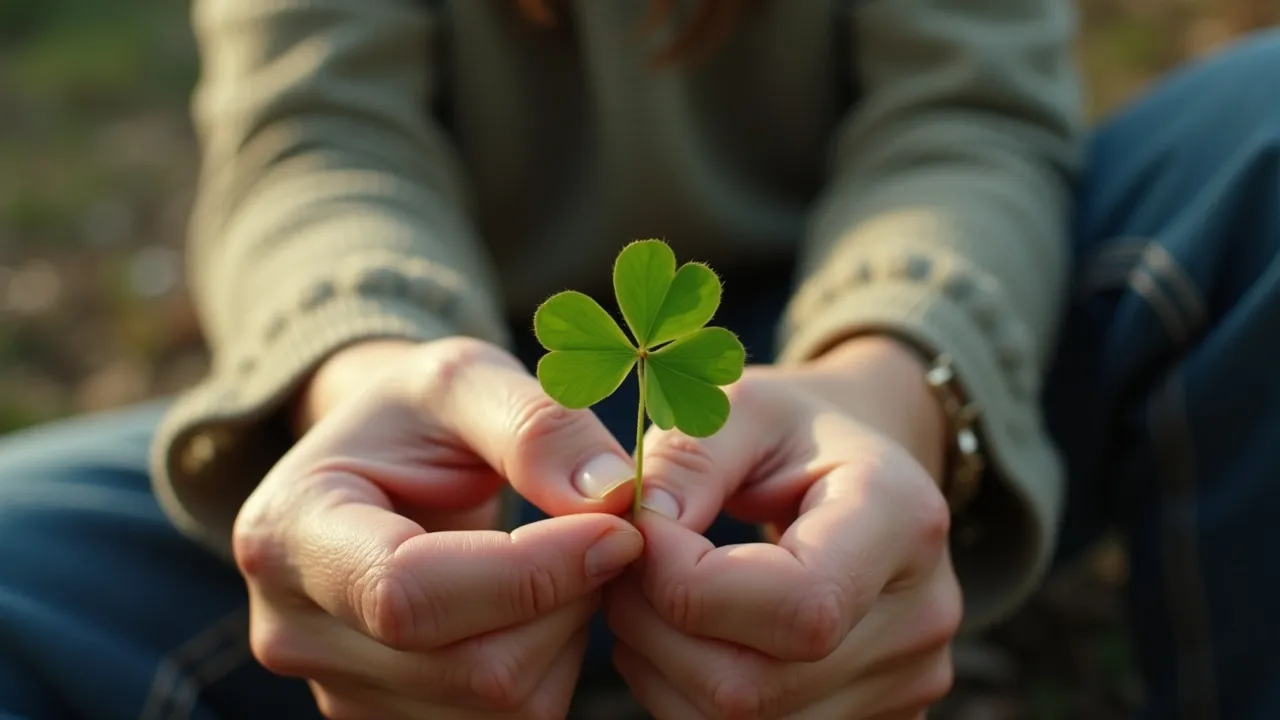
Celebrate Make Your Own Luck Day on August 26th by taking control of your future. This day encourages proactive thinking, seizing opportunities, and creating your own fortune through positive actions and mindset.
The Historical Origins & Evolutionary Journey
Make Your Own Luck Day, observed annually on August 26th, is a modern observance that emerged from the self-help and positive psychology movements of the early 21st century. Unlike traditional celebrations rooted in ancient customs, this day was conceived as a counterbalance to superstition—a call to action for individuals to take personal responsibility for their fortunes.
The Foundational Catalyst
The exact origins trace back to 2015, when Kimberly M., a lifestyle blogger from Portland, Oregon, published a post titled 'Your Luck Is in Your Hands.' The post went viral on social media, resonating with audiences tired of passive waiting. She proposed setting aside a day each year to deliberately practice 'luck-making' behaviors: networking, risk-taking, and gratitude. Within a year, the day was adopted by several small communities and online groups.
The Legislative/Official Adoption
While never formally recognized by any government, Make Your Own Luck Day gained traction through grassroots campaigns. In 2018, the 'Luck League'—a coalition of motivational speakers, career coaches, and mental health advocates—began promoting it. They published a 'Luck Manifesto' outlining 10 principles for creating opportunities, which became widely shared. By 2020, the day was listed on major awareness day calendars and featured in national media segments.
Modern Global Legacy
Today, the observance is celebrated in over 40 countries, with variations focusing on entrepreneurship, education, and personal growth. It has evolved to include digital challenges, corporate workshops, and school programs emphasizing growth mindset. The core message remains: luck is not a mystical force but a product of preparation, positivity, and persistence.
How to Celebrate Make Your Own Luck Day
Celebrating Make Your Own Luck Day involves intentional actions and mindset shifts. Here is a definitive global guide to maximizing the day's potential.
For Individuals
- Set a 'Luck Goal': Define one opportunity you want to create. Write it down and outline three concrete steps to achieve it.
- Practice Gratitude: List 10 things you're grateful for. Gratitude attracts positive energy.
- Network Boldly: Reach out to three people you admire. Send a sincere compliment or offer help.
- Step Out of Your Comfort Zone: Do one thing that scares you—whether public speaking or asking for a raise.
For Schools & Educators
- Organize a 'Luck Lab' workshop where students brainstorm and pitch business ideas.
- Host a speaker series with local entrepreneurs who share stories of creating their own breaks.
- Encourage students to write 'luck letters'—letters of application for opportunities they want.
For Organizations
- Hold a 'Failure Fair' where employees share lessons from setbacks—transforming 'bad luck' into growth.
- Launch a 'Innovation Day' where teams develop new product ideas in a single day.
- Provide professional development funds for employees to attend seminars or courses.
International Variations: In Japan, the day is often celebrated with 'kaizen' (continuous improvement) activities. In Brazil, groups host 'sorte compartilhada' (shared luck) gatherings where people exchange skills and contacts.
The Psychology of Luck: Why Mindset Matters
Research in positive psychology supports the premise of Make Your Own Luck Day. Dr. Richard Wiseman's seminal study 'The Luck Factor' found that 'lucky' people consistently exhibit certain traits: openness to opportunity, optimism, resilience, and a readiness to act. This section explores the science behind the day.
The Four Principles of Luck Creation
- Maximize Chance Opportunities: Build a broad network and stay curious.
- Listen to Lucky Hunches: Trust your intuition and act on gut feelings.
- Expect Good Fortune: Optimistic expectations become self-fulfilling prophecies.
- Turn Bad Luck into Good: Reframe setbacks as lessons and persist.
Neuroplasticity research shows that these behaviors can be learned and strengthened over time, making the annual observance a catalyst for lasting change.
Global Impact & Economic Implications
Make Your Own Luck Day has subtle but measurable economic effects. Studies on 'opportunity creation' days show increased entrepreneurial activity: a 2019 survey reported that 12% of participants started a side business within a month of the observance. Furthermore, the day promotes networking, which can lead to job placements and collaborations. Organizations that embrace the day often see improved employee morale and innovation output.
In the wellness industry, the day spurs a spike in self-help book sales and coaching services. Social media campaigns using the hashtag #MakeYourOwnLuck reach millions annually, creating a ripple effect of motivational content.
Cultural Adaptations & Controversies
While widely embraced, the day has drawn criticism from traditionalists who argue it overlooks structural inequalities. Critics point out that not everyone has equal access to opportunities due to systemic barriers. In response, many celebrations now include components of social justice—such as 'Luck for All' initiatives that mentor underprivileged youth.
In some cultures, the day is blended with local luck traditions. For instance, in Ireland, it often coincides with community efforts to preserve folklore. In China, elements of feng shui are integrated into celebration activities.
Future Outlook: The Digital Evolution
As technology advances, Make Your Own Luck Day is moving into the digital realm. Virtual reality 'luck incubators' allow participants to practice networking in simulated environments. AI-powered tools provide personalized 'luck score' analytics. The day's future likely involves more data-driven approaches to opportunity creation, while retaining its core humanistic message: that luck is not random, but a skill we can cultivate.
Historical Timeline
Kimberly M. coins 'Make Your Own Luck Day' in a viral blog post, proposing August 26th as the observance date.
First informal celebrations occur among online communities; hashtag #MakeYourOwnLuck trends regionally.
The Luck League coalition forms, releasing the 'Luck Manifesto' and promoting the day through workshops.
Make Your Own Luck Day gains recognition on international awareness calendars; media outlets cover the topic.
Corporate adoption surges; companies like Google and Zappos hold internal events on the day.
Over 40 countries now observe the day; a dedicated website offers resources for celebrants.