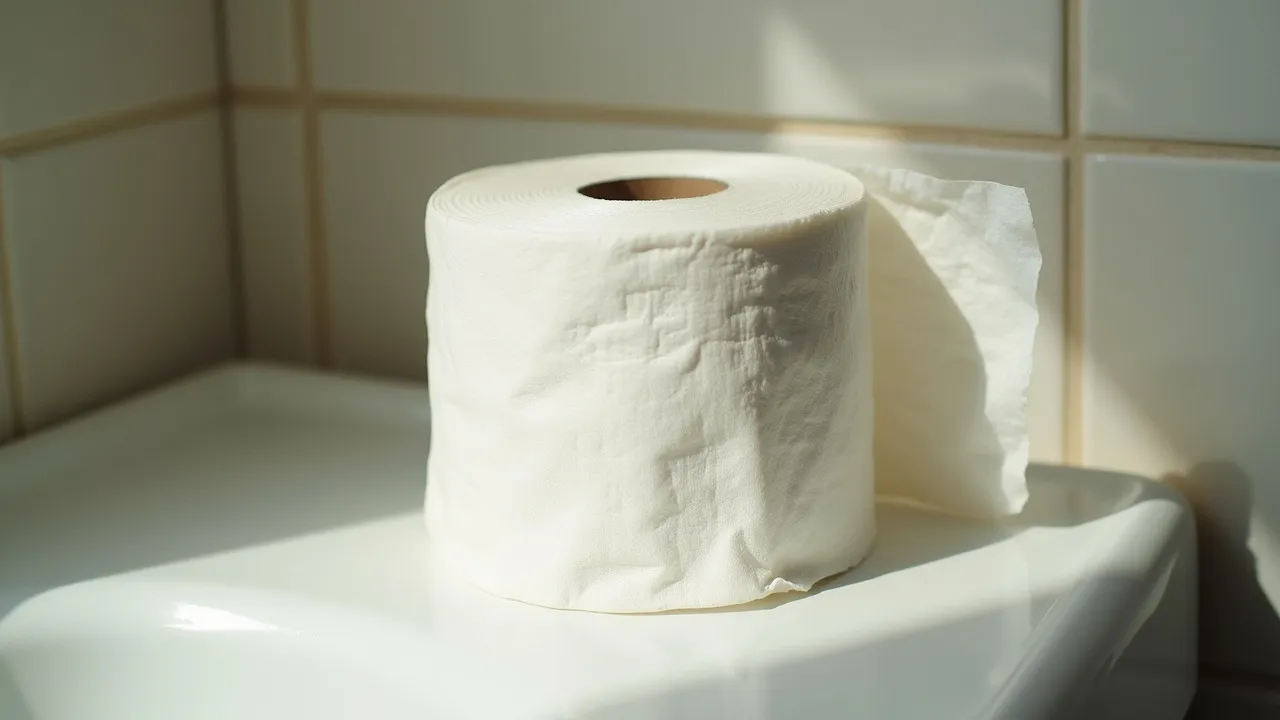
National Toilet Paper Day on August 26th honors the essential bathroom staple. Discover its fascinating history from ancient rags to modern soft rolls, global cultural significance, and fun ways to celebrate.
The Historical Origins & Evolutionary Journey of Toilet Paper
National Toilet Paper Day, observed annually on August 26th, celebrates a product so ubiquitous that its absence is immediately felt. The history of toilet paper is a testament to human ingenuity and the quest for comfort and hygiene.
The Foundational Catalyst: Pre-Modern Hygiene Practices
Long before commercially produced toilet paper, humans used a variety of materials. Ancient Romans employed a sponge on a stick (xylospongium) shared in public latrines. In medieval times, people used leaves, moss, rags, or even their left hand. The Chinese were early pioneers: as early as the 2nd century BCE, they used paper for wrapping and padding, and by the 6th century CE, they specifically used paper for toilet purposes. Notably, the first recorded use of toilet paper was in 589 CE by the scholar Yan Zhitui, who wrote about not using paper with quotations from classics for toilet use.
The Commercial Birth: Joseph Gayetty and the 19th Century
The first commercially available toilet paper was introduced in the United States in 1857 by Joseph Gayetty. His product, called "Gayetty's Medicated Paper," was sold in flat sheets medicated with aloe. It was marketed as a remedy for hemorrhoids. However, it was not a huge success, as Americans were not yet accustomed to buying paper specifically for bathroom use.
The Roll Revolution: From Perforated to Splinter-Free
The breakthrough came in 1879 when the Scott Paper Company, founded by brothers Edward and Clarence Scott, began producing toilet paper on a roll. However, they initially kept the product anonymous due to the embarrassment associated with bathroom products. In 1890, the perforated roll was patented. The 20th century saw numerous improvements:
- 1930s: "Splinter-free" toilet paper was introduced by Northern Tissue, addressing a common complaint of wood splinters in paper.
- 1942: Two-ply toilet paper hit the market, offering greater softness and absorbency.
- 1960s: Colored toilet paper became popular, though it later declined due to environmental concerns.
Modern Global Legacy: A Staple of Modern Life
Today, toilet paper is a global industry worth billions. Innovations include ultra-soft, quilted, and even moist wipes. The COVID-19 pandemic in 2020 highlighted its essential nature when panic buying led to shortages. National Toilet Paper Day serves as a reminder of the comfort and convenience this often-overlooked product provides.
How to Celebrate National Toilet Paper Day
Whether you are an individual, a family, or an organization, National Toilet Paper Day offers creative opportunities to appreciate this everyday essential. Here is the ultimate global guide:
For Individuals and Families
- Create a Toilet Paper Mummy: Wrap a family member in toilet paper like a mummy for laughs and photos.
- Host a Crafts Contest: Use toilet paper rolls to make art, such as puppets, decorations, or even a wedding dress.
- Donate to Charity: Purchase extra rolls and donate to local shelters, food banks, or schools.
- Film a Parody: Recreate classic movie scenes using toilet paper as a prop.
For Schools and Community Groups
- Educational Workshops: Teach the history and manufacturing process of toilet paper, including environmental impacts.
- Recycling Drives: Collect cardboard rolls for recycling and discuss sustainable alternatives.
- Fundraisers: Sell homemade toilet paper crafts to raise money for a cause.
Corporate and Social Rituals
Companies in the hygiene sector often run marketing campaigns. In Japan, where toilet paper is celebrated with a different date (May 26th?), but for National Toilet Paper Day on August 26th, US companies may offer discounts. In Germany, people might buy extra stock as a joke. In Australia, there is a tradition of "bog roll cricket" using rolls as balls.
No matter how you celebrate, the key is to acknowledge the role of toilet paper in public health and daily comfort.
Global Impact & Industry Transformation
The toilet paper industry is a major global economic force, producing over 30 million tons annually. The market is dominated by companies like Procter & Gamble, Kimberly-Clark, and Georgia-Pacific. Key trends include:
- Environmental Concerns: Traditional toilet paper production contributes to deforestation. Many brands now offer recycled or bamboo-based alternatives.
- Luxury Segment: Ultra-premium toilet paper with lotions and extra plies is growing, especially in Asia.
- Bidet Integration: In many European countries, bidets reduce toilet paper usage; the trend is spreading globally.
The COVID-19 pandemic dramatically altered production and consumption patterns, with home usage skyrocketing. This led to supply chain innovations and a surge in eco-friendly options.
Environmental & Sustainability Considerations
While toilet paper provides comfort, its environmental footprint is significant. The average American uses about 141 rolls per year, contributing to habitat loss. Sustainable alternatives include:
- Recycled Paper: Look for high post-consumer waste content.
- Bamboo: Fast-growing and requires less water and pesticides.
- Bidets and Washlets: Reduce or eliminate the need for paper.
Innovations such as water-soluble toilet paper and hemp-based products are emerging. National Toilet Paper Day encourages mindful consumption and support for sustainable brands.
Cultural Perspectives & Global Traditions
Toilet paper usage varies widely worldwide. In many Asian countries, bidets or water sprays are common, reducing reliance on paper. In India, the left hand is traditionally used with water. In Greece and Turkey, toilet paper is often placed outside the stall for disposal due to narrow plumbing. In Finland, people use soft paper, and the concept of a "paper hand" is not common. Understanding these differences fosters global appreciation.
Fun Facts & Trivia
- The first patent for a toilet paper roll was granted to Seth Wheeler in 1883.
- Toilet paper is typically 4.5 inches wide, but varies by region.
- In the US, the average person uses 57 sheets per day.
- The "splinter-free" claim in the 1930s revolutionized comfort.
- During WWII, Japanese soldiers used toilet paper as a precious commodity.
- The famous "Charmin Bears" advertise softness since 1969.
Historical Timeline
First recorded use of paper for toilet purposes by Chinese scholar Yan Zhitui, who warned against using paper with quotations from classics.
Joseph Gayetty introduces the first commercially available toilet paper in the US, medicated flat sheets sold as 'Gayetty's Medicated Paper'.
Scott Paper Company begins producing toilet paper on a roll, though initially unlabeled due to stigma.
Perforated toilet paper roll is patented, allowing easy tearing.
Northern Tissue introduces 'splinter-free' toilet paper, solving a common complaint of wood splinters.
Two-ply toilet paper enters the market, providing greater softness.
The US experiences a toilet paper shortage due to a combination of factors, including a media hoax and economic shifts.
COVID-19 pandemic triggers panic buying and shortages worldwide, highlighting the product's essential role.