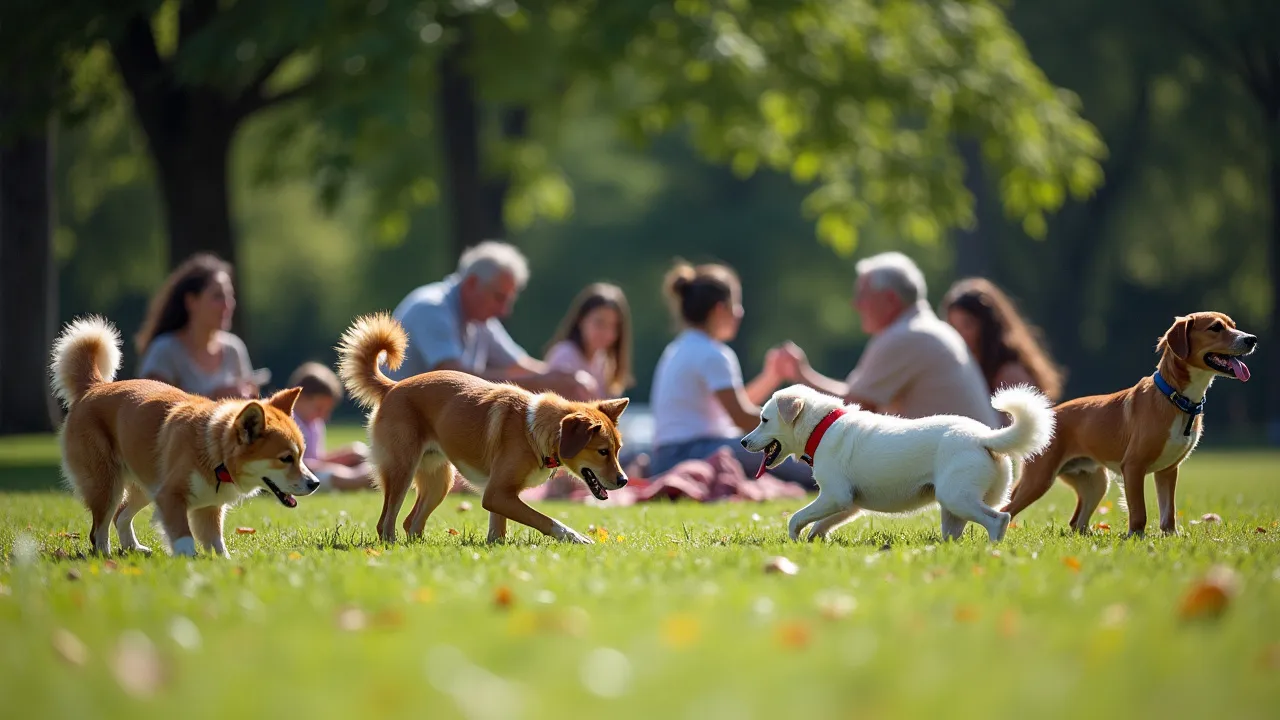
National Dog Day, observed annually on August 26, celebrates the bond between humans and dogs and promotes adoption. It's a day to honor all dogs, past and present, and encourage responsible pet ownership.
The Historical Origins & Evolutionary Journey
National Dog Day, observed on August 26th, was founded in 2004 by Colleen Paige, a pet lifestyle expert and animal advocate. The day was established to honor all dogs, regardless of breed, and to raise awareness about the importance of adoption. Paige chose August 26th because it was the date her family adopted their first dog, Sheltie. Since its inception, the day has grown into a global movement, supported by shelters, rescues, and pet-related businesses.
The Foundational Catalyst
Paige's inspiration came from her deep love for dogs and the realization that millions of dogs are euthanized each year due to overpopulation and lack of adoption. National Dog Day aims to give a voice to these animals and encourage people to save a life by adopting rather than purchasing. The first celebration involved local adoption events and media campaigns, quickly gaining traction.
The Legislative/Official Adoption
While not an official federal holiday, National Dog Day has been recognized by various state legislatures and animal welfare organizations. Many cities issue proclamations and host community events. The day also gained support from celebrities and influencers, amplifying its reach. In 2013, the American Kennel Club (AKC) officially endorsed the day, further legitimizing its status.
Modern Global Legacy
Today, National Dog Day is celebrated in over 50 countries, with events ranging from adoption drives to dog parades. Social media plays a huge role, with hashtags like #NationalDogDay trending annually. The day has also spurred year-round advocacy for animal rights, including spay/neuter campaigns and anti-cruelty laws. Despite regional date variations—such as the UK's National Dog Day on October 22—the core mission remains unchanged: to celebrate and protect our canine companions.
How to Celebrate National Dog Day
National Dog Day offers countless ways to show appreciation for dogs, from individual acts of kindness to large community events. Below are actionable strategies for individuals, families, schools, and organizations.
For Individuals and Families
- Adopt, Don't Shop: Visit a local shelter and consider giving a forever home to a rescue dog. If adoption isn't possible, foster a dog temporarily.
- Spoil Your Pup: Treat your dog to a special outing, a new toy, or a homemade dog treat. Spend quality time playing or cuddling.
- Donate: Contribute to animal shelters, rescue groups, or veterinary funds. Even small donations make a difference.
- Volunteer: Spend the day walking shelter dogs, cleaning kennels, or assisting at adoption events.
For Schools and Organizations
- Host an Adoption Event: Partner with local shelters to organize a meet-and-greet with adoptable dogs. Provide information on responsible pet ownership.
- Educational Workshops: Invite a veterinarian or animal behaviorist to speak about dog care, training, and health.
- Fundraising Drives: Collect donations of pet food, blankets, toys, or money for animal welfare charities.
- Social Media Campaigns: Launch a campaign using #NationalDogDay to share success stories and promote adoption.
Global Celebration Variations
While August 26th is the primary date in the United States, other countries have their own observances. For example, the United Kingdom celebrates National Dog Day on October 22, often with dog shows and charity walks. In Japan, a similar day exists on February 22 (222 sounds like 'wan-wan'—bark). In Australia, National Dog Day is celebrated on April 23. Despite different dates, the spirit of appreciation and advocacy is universal. Check with local animal welfare organizations for specific events in your region.
The Impact on Dog Adoption and Rescue
National Dog Day has significantly boosted adoption rates and rescued countless dogs from euthanasia. Shelters across the country report a spike in adoptions on or around August 26th, driven by heightened awareness and promotional events. According to the ASPCA, over 3 million dogs enter shelters annually, and National Dog Day helps reduce that number by encouraging adoption over purchasing from breeders or pet stores.
Adoption Success Stories
Many shelters host 'fee-waived' adoption days, removing financial barriers for potential adopters. These events often result in a 200% increase in adoptions compared to typical days. For instance, the Los Angeles Animal Services reported adopting out over 300 dogs on National Dog Day 2022. The day also highlights the plight of senior dogs and special-needs dogs, who are often overlooked. Rescue organizations use the day to feature these dogs, leading to increased interest and adoptions.
Long-Term Effects
Beyond a single day, National Dog Day has fostered a culture of rescue. The 'Adopt, Don't Shop' movement has gained momentum, reducing the demand for puppy mills. Many pet stores now partner with rescues to showcase adoptable dogs. Social media platforms amplify these efforts, with viral posts encouraging people to consider rescue. The day also serves as a reminder to spay/neuter pets, preventing unwanted litters and reducing shelter overpopulation.
Health and Wellness Benefits of Dog Ownership
Dogs provide immense physical, mental, and emotional health benefits. National Dog Day is an ideal time to highlight how our furry friends improve our well-being. Scientific studies have shown that dog owners have lower blood pressure, reduced stress levels, and increased physical activity.
Physical Health
- Cardiovascular Benefits: Dog owners have a 24% lower risk of death from heart disease, according to a study by the American Heart Association. Daily walks and active play improve circulation and heart health.
- Exercise Motivation: Owning a dog encourages regular exercise. A 30-minute walk with your dog can burn up to 150 calories and improve overall fitness.
- Allergy Reduction: Children raised in homes with dogs have a lower risk of developing allergies and asthma, as early exposure builds immunity.
Mental and Emotional Health
Stress Reduction: Interacting with dogs reduces cortisol levels and increases oxytocin, the 'love hormone.' This lowers anxiety and promotes calmness. Social Connection: Dog owners often engage in conversations with other dog owners, reducing feelings of loneliness. Therapeutic Roles: Therapy dogs are used in hospitals, schools, and nursing homes to provide comfort and support. National Dog Day honors these working dogs and their contributions to human health.
Economic Influence of the Dog Industry
The dog industry is a multi-billion dollar sector that includes pet food, accessories, healthcare, services, and technology. National Dog Day drives consumer spending, with many owners purchasing gifts or services for their pets. According to the American Pet Products Association, Americans spent over $100 billion on pets in 2022, with dogs accounting for the largest share.
Market Segments
- Pet Food and Treats: Premium and natural dog food brands see a surge in sales around National Dog Day. Many companies launch limited-edition treats or donate a portion of sales to animal charities.
- Pet Services: Groomers, dog walkers, trainers, and pet sitters offer special discounts. Daycares and boarding facilities host celebrations with play sessions and photo booths.
- Technology and Wearables: GPS trackers, smart collars, and health monitors are popular gifts. Startup companies often use the day to launch new products.
- Philanthropy: Corporations sponsor adoption events or match employee donations to animal welfare organizations. This aligns with corporate social responsibility goals.
Impact on Local Economies
Small businesses, such as local pet stores and independent groomers, benefit from the increased traffic. Community events like 'Yappy Hours' at breweries or 'Doggie Brunch' at cafes boost revenue. The economic ripple effect extends to veterinary clinics, which see a rise in wellness checks and vaccinations during August.
Famous Dogs and Their Historical Impact
Throughout history, dogs have played pivotal roles in human society, from wartime heroes to beloved companions. National Dog Day honors their contributions. Here are some notable canines and their legacies.
Heroic Dogs
- Hachiko (Japan): The Akita who waited for his deceased owner at a train station for nearly 10 years, symbolizing loyalty. A statue in Tokyo commemorates him.
- Balto (USA): The Siberian Husky who led a sled team carrying diphtheria antitoxin to Nome, Alaska, in 1925. His statue stands in New York's Central Park.
- Stubby (USA): A stray Bull Terrier who served in World War I, participated in 17 battles, and became the most decorated war dog. He was promoted to sergeant.
Pop Culture Icons
Lassie: The Rough Collie that starred in films and TV shows, embodying intelligence and courage. Rin Tin Tin: A German Shepherd rescued from a French battlefield, who became a Hollywood star. Snoopy: The beagle from Charles Schulz's Peanuts, who represented imagination and loyalty. These dogs have inspired countless adoptions and shaped our cultural appreciation of dogs.
Working Dogs Today
National Dog Day also recognizes service dogs, police K9s, search-and-rescue dogs, and therapy dogs. Their contributions to safety, health, and well-being are immeasurable. Many organizations use the day to fundraise for training and equipment for working dogs.
Global Observances and Date Variations
While National Dog Day is widely observed on August 26th in the United States, many countries have their own designated days to celebrate dogs. This section explores these variations to ensure global accuracy.
Major Regional Dates
- United Kingdom: National Dog Day UK is celebrated on October 22nd. Established by a coalition of animal charities, it focuses on adoption and responsible ownership.
- Australia: National Dog Day is observed on April 23rd. Events include dog shows, adoption drives, and fundraising for rescue organizations.
- Japan: 'Dog Day' (いぬの日, Inu no Hi) is on February 22nd because '222' sounds like 'wan-wan' (the Japanese onomatopoeia for bark). It's a day to appreciate dogs and raise awareness about stray dogs.
- Canada: National Dog Day aligns with the US on August 26th, but also has a separate 'Canadian Dog Day' on the last Sunday of May.
- International Dog Day: Sometimes used interchangeably with National Dog Day, but some organizations promote August 26th as a global observance. However, regional dates take precedence.
Unique Traditions
In Switzerland, a 'National Dog Day' is celebrated with dog swimming events at lakes. In Mexico, the day coincides with 'Día del Perro' on July 21st. Many countries use the day to push for legislation against animal cruelty. Regardless of the date, the universal message remains: celebrate and protect our canine friends.
The Future of National Dog Day
As we look ahead, National Dog Day continues to evolve with societal trends and technological advancements. The day's future will likely focus on increased global harmonization, digital engagement, and deeper advocacy.
Trends to Watch
- Virtual Adoption Events: AI-powered matching platforms connect potential adopters with suitable dogs based on lifestyle, reducing return rates.
- Health Tech Integration: Wearable devices for dogs will become more common, tracking health metrics and enabling telemedicine consultations.
- Sustainable Products: Eco-friendly dog toys, biodegradable waste bags, and plant-based dog food will gain popularity.
- Legislative Advocacy: National Dog Day will be leveraged to push for stronger animal protection laws, such as banning puppy mills and mandatory microchipping.
Global Unity
Efforts are underway to create a single, universally recognized Dog Day, possibly through the United Nations. This would amplify the message and allow coordinated global campaigns. The day's founders and leading animal welfare organizations are in dialogue to standardize the date while respecting regional traditions. As awareness grows, National Dog Day will remain a powerful force for canine welfare worldwide.
Historical Timeline
Colleen Paige founds National Dog Day on August 26, the date her family adopted their first dog. The first celebrations include local adoption events and media coverage.
Several U.S. states issue proclamations recognizing National Dog Day. The day gains traction on early social media platforms like MySpace.
The American Kennel Club (AKC) officially endorses National Dog Day. Adoption rates spike as shelters report a 30% increase in adoptions on August 26.
National Dog Day goes global, with Canada, the UK, and Australia adopting the date or launching their own variations. Hashtag #NationalDogDay trends on Twitter.
Social media campaigns, including Facebook cover photo frames and Instagram filters, amplify the day's reach. Over 1 million posts use the hashtag.
Due to the COVID-19 pandemic, many events go virtual. Online adoption webinars and remote fundraising replace in-person gatherings. Pet adoption rates soar during lockdowns.
National Dog Day becomes a leading platform for anti-puppy mill legislation. Over 200 bipartisan bills are introduced in state legislatures related to dog welfare.