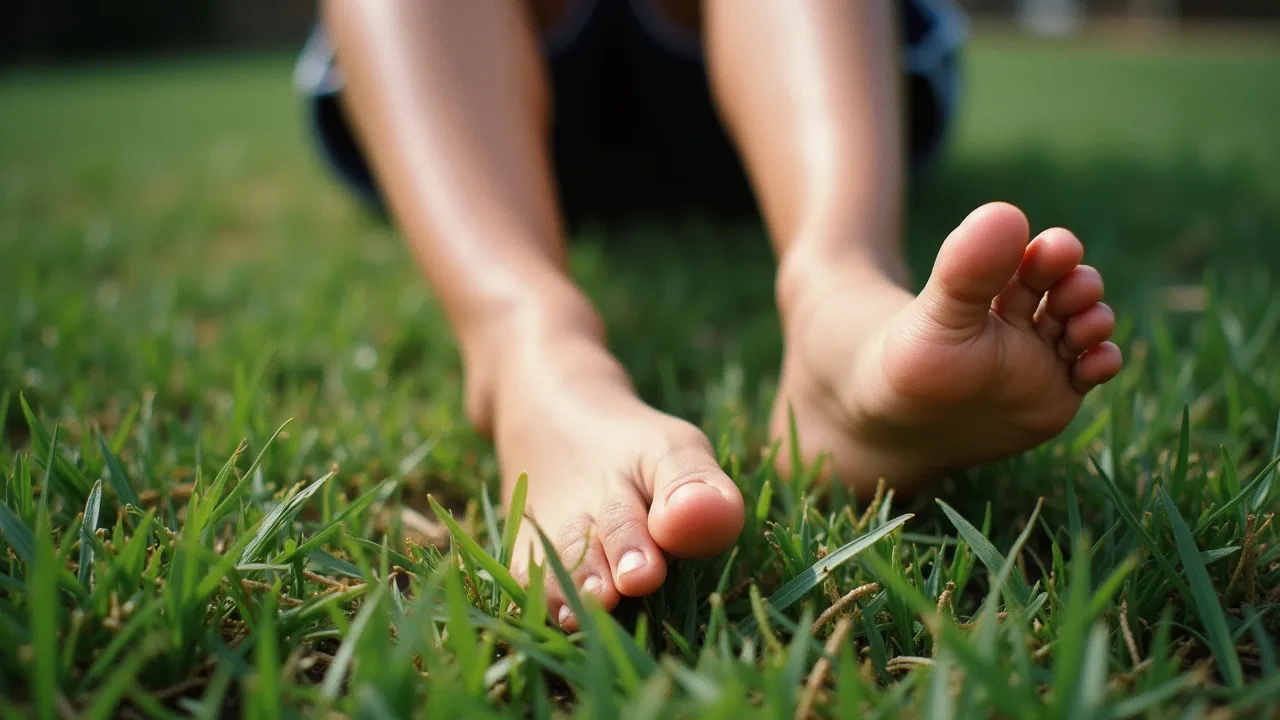
Wiggle Your Toes Day, celebrated on August 6th, encourages people to take a moment to stretch and move their toes for foot health and relaxation. It's a quirky reminder to care for your feet.
The Historical Origins & Evolutionary Journey
Wiggle Your Toes Day, observed annually on August 6th, has a somewhat mysterious origin but is widely embraced as a lighthearted health observance. While no single founder is officially documented, the day is believed to have emerged in the late 20th century among podiatric communities and foot health enthusiasts who wanted to promote simple exercises for foot flexibility.
The Foundational Catalyst
The idea behind the day stems from the recognition that modern lifestyles often neglect foot health. Sedentary habits and restrictive footwear can lead to reduced toe mobility, which in turn contributes to balance issues and foot pain. Early advocates emphasized the importance of conscious toe movement as a preventive measure.
The Digital Age Spread
With the rise of the internet, Wiggle Your Toes Day gained traction on social media and wellness blogs. By the early 2000s, it had become a niche but recurring trend, with participants sharing videos and photos of themselves wiggling their toes. Health organizations occasionally use the day to promote foot care tips.
Modern Global Legacy
Today, the day is recognized informally across multiple countries. While not an official public holiday, it serves as a fun reminder to incorporate simple foot exercises into daily routines. The observance continues to evolve, with some workplaces and schools adopting short "toe wiggle breaks" during the day.
How to Celebrate Wiggle Your Toes Day
Celebrating Wiggle Your Toes Day is simple and can be adapted for individuals, families, schools, and organizations. Below are actionable strategies, grouped by setting.
For Individuals
- Set aside 5 minutes to sit barefoot and deliberately wiggle each toe individually. Repeat 10 times per foot.
- Practice toe yoga: try to pick up small objects like marbles or pencils with your toes.
- Give yourself a gentle foot massage, focusing on the toes and arches.
- Wear open-toed shoes or go barefoot on safe surfaces to let your toes breathe and move freely.
For Schools and Daycares
- Organize a "toe wiggling contest" where kids see who can wiggle their toes fastest or create the most creative toe dance.
- Incorporate a short foot-stretching break after recess or PE class.
- Use colored paint to make toe-painting art (dip toes in washable paint and press on paper).
For Workplaces and Organizations
- Encourage a "wiggle break" every hour: a 30-second pause to stretch toes under the desk.
- Provide foot care information in newsletters or internal communications.
- Host a lunchtime activity such as a group foot stretch led by a wellness coordinator.
Regional Variations
While August 6th is the primary date, some communities in Australia and New Zealand have adapted the observance to their summer months with beach-day themes. In colder regions, indoor foot yoga sessions are popular. The core message remains universal: take a moment to appreciate and move your toes.
Health Benefits of Toe Wiggling
Regular toe wiggling is more than a quirky habit; it offers several health benefits supported by podiatric science.
Improved Circulation
Moving the toes stimulates blood flow to the feet, which can help prevent cold feet and reduce the risk of swelling from prolonged sitting.
Enhanced Balance and Stability
Strong, flexible toes act as stabilizers during standing and walking. Toe exercises improve proprioception, reducing fall risk.
Prevention of Foot Conditions
Conditions like hammer toe and plantar fasciitis can be mitigated by maintaining toe mobility. Daily wiggling keeps tendons and ligaments supple.
Stress Relief
The simple act of focusing on your toes can be a mindfulness exercise, lowering stress levels and promoting relaxation.
Note: If you have chronic foot pain, consult a podiatrist before starting new exercises.
Fun Activities and Social Media Ideas
Make the day engaging with creative activities:
- Toe Dances: Record a 15-second video of your feet dancing to upbeat music and share with #WiggleYourToesDay.
- Toe Art: Use toe painting or hold a brush between toes to create abstract art.
- Foot Care Pampering: Soak feet in warm water with Epsom salts, then apply lotion and wiggle toes.
- Toe Strength Challenge: Use a resistance band around toes and try to spread them apart.
On social media, share facts about foot health and encourage followers to post their own toe-wiggling moments. Hashtags like #ToeHealth and #FootSelfCare help spread awareness.
Global Impact and Cultural Similarities
While Wiggle Your Toes Day is primarily a Western internet-borne observance, similar foot-focused traditions exist worldwide. In India, certain yoga practices emphasize toe movements (Padangulasana). In Japan, foot massage (ashiatsu) promotes toe flexibility. Even the Tongan culture has foot dancing in traditional performances. This day serves as a unifying reminder that foot care is universal.
Historical Timeline
Wiggle Your Toes Day is believed to have originated among foot health enthusiasts as a grassroots campaign to encourage simple foot exercises.
The observance gains traction on early internet forums and wellness blogs, with anecdotal mentions appearing in health columns.
Several podiatry clinics begin using August 6th as a date to promote foot health awareness, incorporating toe wiggling demonstrations.
Social media pushes the day into broader awareness; the hashtag #WiggleYourToesDay trends briefly on Twitter.
A podiatric association in the UK officially endorses the day with a set of recommended exercises published online.
Wiggle Your Toes Day is included in several online calendars of unusual holidays, cementing its status as a recurring observance.