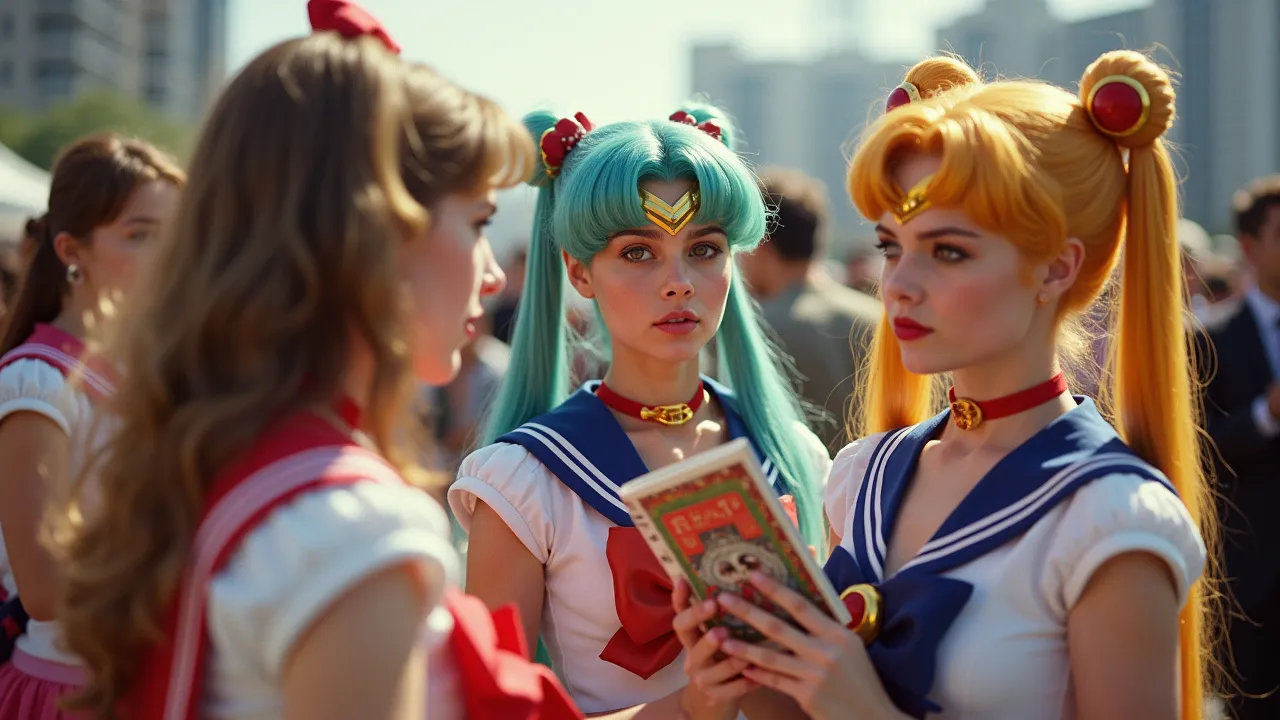
Sailor Moon Day, observed on August 6th, celebrates the iconic magical girl series created by Naoko Takeuchi. Fans honor the show's themes of love, justice, and friendship through cosplay, watch parties, and community events.
The Historical Origins & Evolutionary Journey
Sailor Moon Day, observed annually on August 6th, traces its roots to the global phenomenon of Bishōjo Senshi Sailor Moon, created by Japanese artist Naoko Takeuchi. While the series debuted as a manga in 1991 and an anime in 1992, the official observance day was established much later.
The Foundational Catalyst
In 2014, the Los Angeles City Council officially proclaimed August 6th as 'Sailor Moon Day' to honor the series' cultural and social impact. This proclamation coincided with the North American release of the uncut, remastered English dub by Viz Media, reigniting interest among long-time fans and introducing the series to a new generation. The choice of August 6th is symbolic, marking a moment when the series' themes of love, justice, and female empowerment were officially recognized by a major metropolitan government.
The Legislative/Official Adoption
The proclamation was spearheaded by Councilmember Paul Krekorian, who recognized Sailor Moon as a 'trailblazing series that empowered girls and women around the world.' The official resolution highlighted the series' positive messages, diverse characters, and economic contributions through fan events. This formal recognition elevated Sailor Moon from a beloved franchise to a cultural touchstone worthy of a dedicated day. Since then, the observance has been embraced globally, with fan groups and organizations hosting events on or around August 6th each year.
Modern Global Legacy
Today, Sailor Moon Day is celebrated across continents through cosplay meetups, streaming marathons, and charity fundraisers. The day serves as a reminder of the series' enduring legacy—its exploration of friendship, sacrifice, and identity continues to resonate. The official recognition also paved the way for similar proclamations for other anime franchises, cementing Sailor Moon's role as a pioneer in pop culture visibility.
How to Celebrate Sailor Moon Day
Sailor Moon Day offers endless opportunities for fans to connect and celebrate. Below are actionable ideas for individuals, schools, and organizations.
Individual Celebrations
- Cosplay as Your Favorite Guardian: Dress up as Sailor Moon, Tuxedo Mask, or any of the Sailor Senshi. Share photos on social media using hashtags like #SailorMoonDay.
- Host a Watch Party: Binge iconic episodes or the new Sailor Moon Crystal series. Platforms like Hulu and Netflix offer streaming options.
- Read the Manga: Dive into the original source material. The Eternal Edition features updated translations and stunning art.
Community Events
- Organize a Fan Meetup: Partner with local comic shops or libraries to host a Sailor Moon-themed gathering with trivia, crafts, and screenings.
- Charity Fundraisers: Use the day to raise funds for causes that align with the series' values, such as girls' education or LGBTQ+ support groups.
- Art Contests: Encourage fan art creation with prizes for best original artwork or cosplay photography.
Global Variations
In Japan, fans often visit the Sailor Moon store in Tokyo or attend special events at theme parks. In Brazil, large-scale cosplay gatherings occur in São Paulo. The day is also marked by official merchandise releases and limited-edition collaborations worldwide. Schools incorporate lessons on media literacy and gender equality using Sailor Moon as a case study.
The Cultural Impact of Sailor Moon
Sailor Moon revolutionized the magical girl genre and left an indelible mark on global pop culture. Its impact spans feminism, LGBTQ+ representation, and media industry standards.
Feminist Iconography
Unlike previous female superheroes, Sailor Moon and her team were multi-dimensional characters with distinct personalities, flaws, and growth arcs. The series promoted female solidarity and independence, with the protagonists often saving the world without male assistance. This empowered a generation of girls to see themselves as heroes. Academic studies have cited Sailor Moon as a key text in postfeminist media analysis.
LGBTQ+ Visibility
Sailor Moon featured some of the first prominent LGBTQ+ characters in mainstream anime, including the lesbian couple Sailor Uranus and Sailor Neptune, and the gender-fluid character Sailor Starlights. While translations sometimes censored these elements, the original Japanese version portrayed same-sex love as natural and beautiful. This representation provided validation for countless fans and opened doors for more diverse storytelling.
Media Industry Transformation
The franchise's success proved that anime could have massive cross-cultural appeal, paving the way for later hits like Pokémon and Naruto. Merchandising revenue from Sailor Moon exceeded $1 billion, demonstrating the economic power of female-focused content. The series also popularized the 'monster-of-the-week' format in magical girl shows.
Sailor Moon in Different Media
The Sailor Moon franchise extends far beyond the original anime and manga, encompassing musicals, live-action adaptations, video games, and stage productions.
Manga Legacy
Naoko Takeuchi's original manga, serialized from 1991 to 1997, remains the definitive version. The story arcs—Dark Kingdom, Black Moon, Infinity, Dream, and Stars—offer deeper character development and darker themes than the anime. The recent Eternal Edition re-release brought the manga to new audiences with improved translation and art.
Anime Adaptations
The 1990s anime ran for 200 episodes and three films, introducing Sailor Moon to the West. In 2014, Sailor Moon Crystal began streaming, closely following the manga's plot with modern animation. The series also spawned several video games, including the popular 'Sailor Moon: Another Story' RPG.
Musicals and Live-Action
The Sailor Moon musicals (Sera Myu) ran from 1993 to 2005, featuring original songs and storylines. A 2003 live-action drama series, 'Pretty Guardian Sailor Moon,' offered a realistic take on the characters. These adaptations kept the franchise alive between major releases and attracted new demographics.
The Legacy of Naoko Takeuchi
Naoko Takeuchi, the creator of Sailor Moon, is a pioneering female manga artist whose influence extends beyond her flagship series.
Early Career and Inspiration
Takeuchi debuted as a manga artist in 1986, but Sailor Moon—initially a short story—became her breakout hit. She drew inspiration from the Sailor Senshi concept (sailor-suited soldiers) and her love of astronomy. Her meticulous world-building and character design set new standards for the shōjo genre.
Innovations in Storytelling
Takeuchi pioneered the use of serialized, long-form narratives in magical girl manga, with interconnected arcs and recurring villains. She also infused the story with her knowledge of mythology and science, creating a rich tapestry of references. Her willingness to tackle mature themes like death and redemption distinguished Sailor Moon from its contemporaries.
Continued Influence
Even after Sailor Moon, Takeuchi's work—such as 'Love Witch' and 'PQ Angels'—has maintained a dedicated following. She remains involved in the franchise's modern adaptations, ensuring authenticity. Her success inspired a generation of female manga artists, demonstrating that women could create commercially and critically acclaimed shōnen or shōjo series.
Future of the Franchise
The Sailor Moon franchise continues to evolve with new projects, collaborations, and anniversaries, ensuring its relevance for future generations.
Recent Developments
In 2023, Toei Animation announced a new Sailor Moon film project for 2025, sparking excitement. The franchise also collaborates with fashion brands like Vans and Lazy Oaf, merging nostalgia with modern trends. Digital platforms have made the series accessible globally, with all seasons available on major streaming services.
Upcoming Milestones
The 30th anniversary of the anime (2022) was marked by special screenings and merchandise. For 2024, fans anticipate the release of a new video game and possible stage musical revival. The franchise's official YouTube channel regularly uploads content, including rare behind-the-scenes footage.
Enduring Community
Fan communities on Reddit, Twitter, and Tumblr remain active, organizing events like the annual 'Sailor Moon Day' and creating fan works. The series' themes of hope and renewal continue to resonate, especially among younger audiences discovering it for the first time. With its multigenerational appeal, Sailor Moon is poised to remain a beloved staple of pop culture for decades to come.
Historical Timeline
Naoko Takeuchi's 'Sailor Moon' manga begins serialization in Nakayoshi magazine, introducing the world to Usagi Tsukino and her fellow Sailor Guardians.
The Sailor Moon anime premieres in Japan on March 7, quickly becoming a cultural phenomenon and spawning a massive merchandising empire.
The English dub of Sailor Moon airs on TV in North America, introducing the series to a global audience, though with significant edits.
The Los Angeles City Council declares August 6 as 'Sailor Moon Day' in recognition of the series' cultural impact, coinciding with Viz Media's uncut English dub release.
Sailor Moon Crystal, a reboot closer to the original manga, begins streaming on Niconico and later globally.
The Sailor Moon Eternal Edition manga is released in English, featuring updated translations and pristine art.
The franchise celebrates the 30th anniversary of the original anime with special events, merchandise, and film projects.