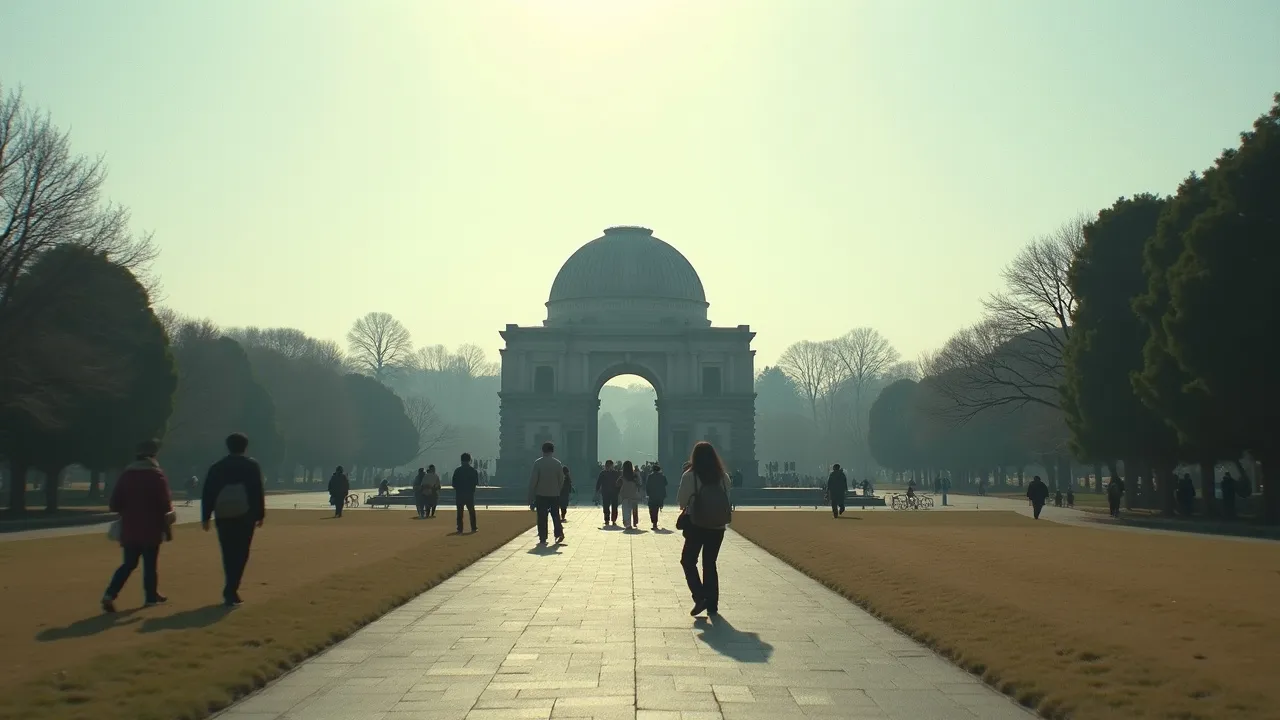
Hiroshima Day, observed on August 6th, commemorates the atomic bombing of Hiroshima in 1945. It is a day for global peace advocacy, remembrance of victims, and reaffirmation of the commitment to a world free of nuclear weapons.
The Historical Origins & Evolutionary Journey
Hiroshima Day marks the anniversary of the atomic bombing of Hiroshima, Japan, which occurred on August 6, 1945. The United States dropped the 'Little Boy' uranium gun-type bomb, resulting in the immediate deaths of an estimated 70,000 people, with total deaths by the end of 1945 reaching approximately 140,000. The bombing was a pivotal event in World War II and the first use of nuclear weapons in conflict.
The Foundational Catalyst
The bombing of Hiroshima was intended to force Japan's surrender and avoid a costly invasion. However, the human toll sparked global horror and a lasting movement for peace. Survivors, known as hibakusha, became powerful advocates for nuclear disarmament. The first unofficial observances began in 1946, when local peace groups held ceremonies at the bomb site.
The Legislative/Official Adoption
In 1954, the Hiroshima Peace Memorial Park was established, and the city began hosting an annual Peace Memorial Ceremony. The Japanese government officially recognized August 6 as a day of remembrance and reflection. Over time, Hiroshima Day was adopted by peace organizations worldwide, with the United Nations encouraging member states to observe it as a day for nuclear disarmament advocacy.
Modern Global Legacy
Today, Hiroshima Day is observed globally through peace marches, educational events, and interfaith services. The Hiroshima Peace Memorial Museum educates millions of visitors annually. The day serves as a solemn reminder of the catastrophic consequences of nuclear war and a call to action for a peaceful future.
How to Celebrate Hiroshima Day
Individual Acts of Remembrance
- Observe a moment of silence at 8:15 AM local time, the exact moment the bomb detonated.
- Light a candle or place a paper lantern in water as a symbol of hope.
- Read personal accounts of hibakusha to deepen understanding.
Community and School Activities
- Organize a peace walk in your neighborhood, carrying banners with messages of disarmament.
- Host a film screening of documentaries like 'The Last Atomic Bomb' or 'White Light/Black Rain'.
- Invite speakers from peace organizations or hibakusha (via video link) to share experiences.
Global Traditions
In Hiroshima, the official Peace Memorial Ceremony includes the release of doves and the ringing of a peace bell. Many cities hold peace concerts and interfaith prayers. Online, people use #HiroshimaDay to share messages of peace. Schools worldwide incorporate lessons on the history of Hiroshima and the importance of nuclear disarmament.
Global Impact and Legacy
The legacy of Hiroshima extends far beyond August 6, 1945. The bombing galvanized the global nuclear disarmament movement, leading to the Nuclear Non-Proliferation Treaty (NPT) of 1968 and the establishment of the Comprehensive Nuclear-Test-Ban Treaty. Hiroshima Day serves as a focal point for advocacy, influencing policies and public opinion.
Influence on Peace Movements
The hibakusha's stories inspired the International Campaign to Abolish Nuclear Weapons (ICAN), which won the Nobel Peace Prize in 2017. Hiroshima Day is often marked by protests against nuclear weapons and calls for governments to disarm. The day also highlights the humanitarian impact of nuclear war, emphasizing that such weapons should never be used again.
Cultural and Artistic Impact
Hiroshima has been the subject of countless books, films, and artworks. Hiroshima mon amour (1959) and Black Rain (1989) are notable films. The peace park and museum draw millions of visitors, serving as a powerful educational tool. The iconic Atomic Bomb Dome, a UNESCO World Heritage site, stands as a permanent reminder of the devastation.
Peace and Disarmament Themes
Central to Hiroshima Day is the theme of peace and the urgent need for nuclear disarmament. The day underscores the moral imperative to prevent future atrocities.
The Ethics of Nuclear Weapons
The use of atomic bombs raised profound ethical questions that remain relevant. Hiroshima Day challenges nations to consider the humanitarian consequences of nuclear warfare. Advocates argue that any use of nuclear weapons would be catastrophic, violating international humanitarian law.
Key Disarmament Treaties
- Treaty on the Non-Proliferation of Nuclear Weapons (NPT) – aimed at preventing the spread of nuclear weapons.
- Treaty on the Prohibition of Nuclear Weapons (TPNW) – entered into force in 2021, bans nuclear weapons outright.
Role of Civil Society
Non-governmental organizations like Peace Boat and Mayors for Peace use Hiroshima Day to mobilize communities. The day amplifies the voices of survivors who continue to share their stories. It also encourages dialogue between nuclear and non-nuclear states.
Educational and Cultural Observances
Education is a cornerstone of Hiroshima Day. Schools, museums, and cultural institutions around the world develop programs to teach about the bombing and its aftermath.
School Curricula
Many schools dedicate August 6 to lessons on peace education. Students engage in activities such as writing letters to survivors, creating peace art, and debating nuclear policy. Resources from the Hiroshima Peace Memorial Museum are widely used.
Museum Exhibits
Museums worldwide host special exhibits on Hiroshima Day. The Hiroshima Peace Memorial Museum offers virtual tours, allowing global access. Additionally, institutions like the United States Holocaust Memorial Museum draw parallels to other genocides and war crimes.
Cultural Events
- Lantern floating ceremonies on rivers to honor the dead.
- Peace concerts featuring classical and traditional music.
- Theater performances like the play 'The Bomb'.
Modern Relevance and Activism
In the 21st century, Hiroshima Day remains highly relevant amid ongoing nuclear threats. The day is a catalyst for contemporary activism and policy advocacy.
Current Nuclear Threats
Geopolitical tensions involving nuclear-armed states like the United States, Russia, North Korea, and Iran highlight the fragility of peace. Hiroshima Day serves as a stark warning against the use of nuclear weapons. Activist groups use the day to demand the abolition of nuclear arsenals.
Digital Activism
Social media campaigns such as #NoMoreHiroshimas and #BanTheBomb gain traction on August 6. Online petitions and virtual events allow global participation. The International Campaign to Abolish Nuclear Weapons coordinates actions worldwide.
How to Get Involved
- Follow peace organizations on social media and share their content.
- Sign petitions urging governments to ratify the TPNW.
- Attend local Hiroshima Day events or organize your own.
Historical Timeline
The United States drops an atomic bomb on Hiroshima, killing tens of thousands instantly and causing immense destruction.
The first Hiroshima Day observances are held by peace groups in Japan and the United States.
Hiroshima Peace Memorial Park is completed, including the iconic Atomic Bomb Dome.
Hiroshima Peace Memorial Museum opens, preserving artifacts and stories of survivors.
Global anti-nuclear movements gain momentum, with large protests on Hiroshima Day.
The United States sends an ambassador to the Hiroshima Peace Memorial Ceremony for the first time.
President Barack Obama becomes the first sitting US president to visit Hiroshima, offering a wreath at the cenotaph.
The International Campaign to Abolish Nuclear Weapons (ICAN) wins the Nobel Peace Prize, amplifying Hiroshima Day messages.
The Treaty on the Prohibition of Nuclear Weapons enters into force, a milestone for disarmament advocates.