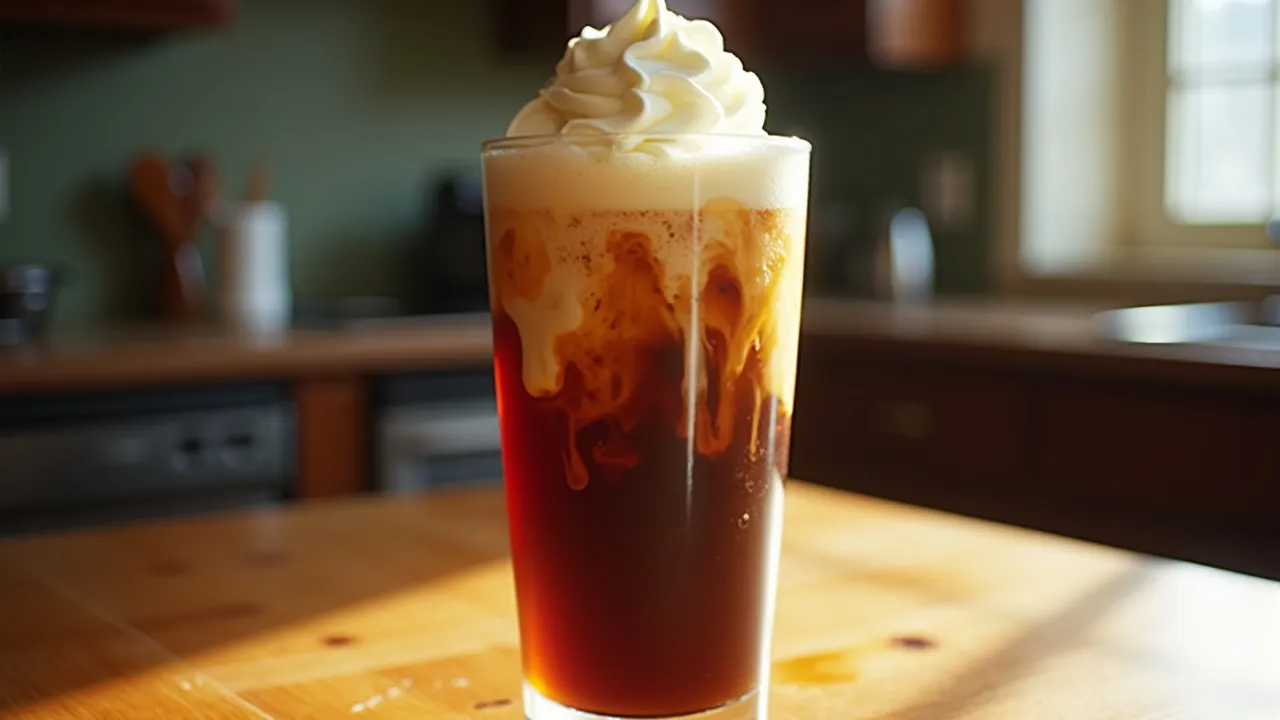
National Root Beer Float Day is celebrated annually on August 6th, honoring the classic American beverage made with root beer and vanilla ice cream. This day encourages everyone to enjoy a refreshing float and explore its rich history.
The Historical Origins & Evolutionary Journey
National Root Beer Float Day, observed annually on August 6th, celebrates a beloved American concoction that combines root beer with vanilla ice cream. The exact origins of this observance remain unclear, but it gained widespread popularity in the early 2000s through grassroots campaigns and social media.
The Foundational Catalyst
The root beer float itself dates back to the late 19th century. The first documented creation is credited to Frank J. Wisner, a Colorado soda fountain owner, who in 1893 added a scoop of ice cream to root beer, inspired by the snowy peaks of the Rocky Mountains.
The Legislative/Official Adoption
Unlike many food holidays, National Root Beer Float Day was not officially proclaimed by any government body. Instead, it emerged organically from consumer enthusiasm and marketing efforts by root beer brands like A&W and Culver's. Culver's, in particular, has promoted the day heavily since the 2000s, offering special deals on floats.
Modern Global Legacy
Today, the day is celebrated across the United States and in several other countries, with root beer float–themed events, social media campaigns, and limited-edition recipes. The observance highlights not only the beverage but also the nostalgia of old-fashioned soda fountains.
How to Celebrate National Root Beer Float Day
Celebrating National Root Beer Float Day is simple and fun. Here are some definitive ways to enjoy the day, whether you are an individual, a family, or part of an organization.
Individual Celebrations
- Make Your Own Float: Choose your favorite root beer brand (e.g., Barq's, IBC, or craft varieties) and a quality vanilla ice cream. Layer them in a tall glass.
- Try Variations: Experiment with coffee ice cream, chocolate root beer, or dairy-free options for a unique twist.
- Host a Float Party: Invite friends over for a root beer float bar with multiple toppings and syrups.
School and Community Activities
- Float Fundraiser: Sell root beer floats at school or community events to raise money for a cause.
- History Lesson: Teach students about the invention of the root beer float and its place in American culture.
- Recipe Contest: Organize a competition for the most creative float recipe.
Corporate and Social Media Ideas
- Employee Treats: Provide free floats to staff in the office break room.
- Social Media Challenge: Encourage customers to post their float creations with a branded hashtag like #RootBeerFloatDay.
- Limited-Time Offers: Restaurants and ice cream shops can feature specialty floats for the day.
The Science Behind the Perfect Root Beer Float
A great root beer float is more than just delicious; it is a delicate balance of chemistry and texture. Understanding the science can elevate your appreciation.
Carbonation and Ice Cream Interaction
Root beer's carbonation reacts with the fats and proteins in ice cream to create a creamy, foamy head. The nucleation sites provided by the ice cream cause rapid bubble formation, leading to the classic overflowing froth.
Temperature and Flavor
The ideal temperature for root beer is just above freezing, while ice cream should be slightly softened for easy scooping. If the root beer is too cold, it numbs the taste buds; too warm, and the ice cream melts too quickly. Aim for a 34°F (1°C) root beer and 20°F (-7°C) ice cream for optimal enjoyment.
The Role of Vanilla
Vanilla ice cream is the classic choice because its sweet, creamy notes complement the complex botanicals in root beer, such as sassafras, vanilla, and wintergreen. The fat content (at least 14%) ensures a smooth mouthfeel and reduces the perception of carbonic acid bite.
Cultural Impact and Regional Variations
While the root beer float is quintessentially American, variations exist worldwide. In Canada, ice cream sodas are popular with different sodas. In Japan, cream soda is often made with melon soda and ice cream. However, the root beer float remains a staple of American diners and soda fountains.
Regional Date Variations
National Root Beer Float Day is primarily observed in the United States on August 6th. In other countries, similar beverages are celebrated on different days; for example, International Ice Cream Soda Day is sometimes recognized on June 20th, but no major alternate dates for this specific day exist globally.
Media and Pop Culture
Root beer floats appear in classic films like A Christmas Story and Waitress, reinforcing their nostalgic appeal. Social media influencers often post creative float recipes, keeping the tradition alive for new generations.
Economic and Industry Significance
National Root Beer Float Day has become a significant marketing opportunity for the beverage and ice cream industries. Root beer sales spike by 15-20% on August 6th, according to some retail data. Ice cream brands also see increased demand, particularly for vanilla.
Restaurant Promotions
Chain restaurants like Culver's and A&W offer discounted or free floats on this day, driving foot traffic and boosting overall sales. Independent soda fountains and ice cream parlors often create specialty floats to attract customers.
Home Consumption
Grocery stores frequently feature root beer and ice cream in end-cap displays leading up to August 6th. The day also encourages home experimentation, with DIY float kits becoming popular.
Health Considerations and Nutritional Facts
While a root beer float is a treat, it's important to be mindful of its nutritional content. A typical float made with 12 oz of root beer and 2 scoops of vanilla ice cream contains approximately:
- Calories: 350-450
- Sugar: 45-60 grams
- Fat: 15-25 grams
- Carbohydrates: 55-70 grams
For a healthier version, consider using diet root beer, low-fat ice cream, or plant-based alternatives. Moderation is key, and this day is best enjoyed as an occasional indulgence.
Historical Timeline
Charles Hires creates Hires Root Beer, popularizing the beverage at the Philadelphia Centennial Exposition.
Frank J. Wisner of Cripple Creek, Colorado, invents the root beer float by adding a scoop of ice cream to root beer.
A&W root beer is first introduced by Roy W. Allen in Lodi, California, leading to the chain's eventual float promotions.
Root beer floats become a staple of fast-food chains like A&W and drive-in restaurants.
National Root Beer Float Day gains traction through grassroots social media campaigns and corporate promotions, with August 6th emerging as the unofficial date.
Culver's begins offering root beer floats on August 6th, boosting the day's popularity nationwide.
The day is informally recognized by food bloggers and event calendars, with over 10,000 social media mentions.
Despite the COVID-19 pandemic, virtual celebrations and home float-making trends increase engagement with the day.