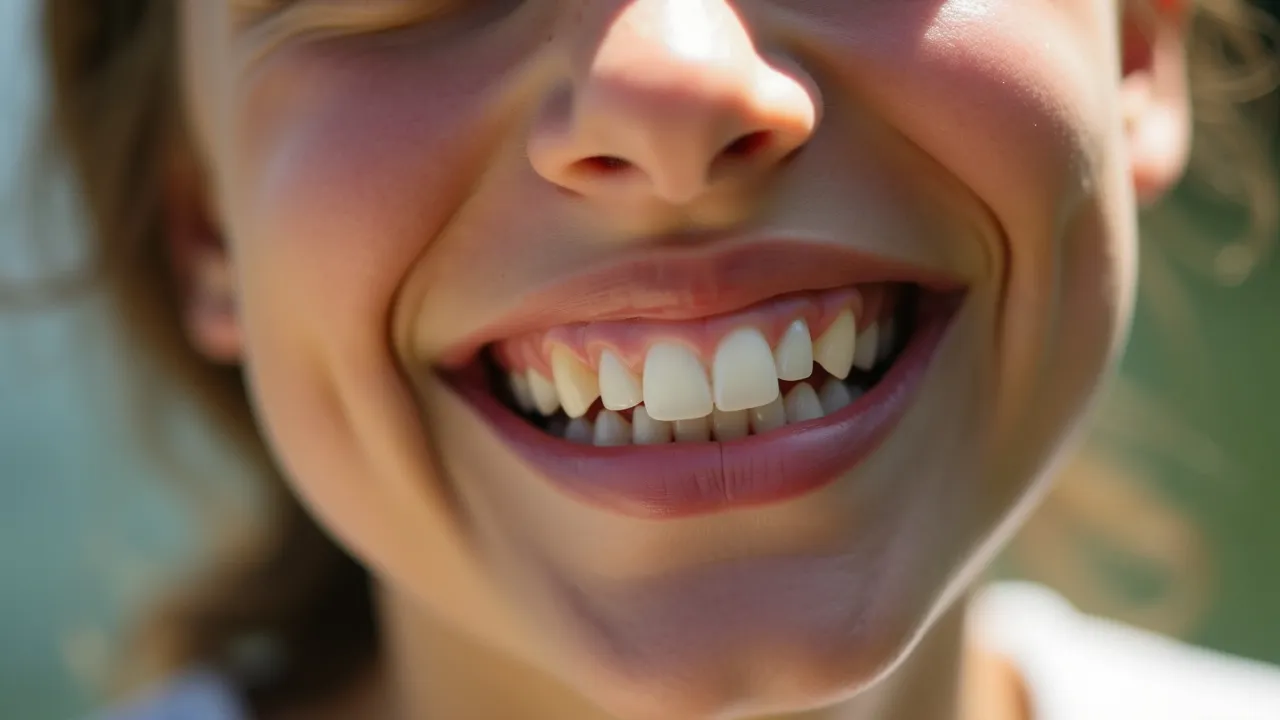
Fresh Breath Day, observed on August 6th, promotes oral hygiene and confidence. Learn about its origins, how to celebrate, and the science behind fresh breath.
The Historical Origins & Evolutionary Journey
Fresh Breath Day, observed annually on August 6th, is a day dedicated to raising awareness about oral hygiene and the social benefits of fresh breath. Its origins trace back to the late 1990s, driven by a dentist's mission to combat chronic halitosis.
The Foundational Catalyst
Dr. Harold Katz, a California-based dentist and bacteriologist, developed a revolutionary oxygenating formula in 1994 to treat bad breath. His company, TheraBreath, gained rapid popularity. Recognizing the need to educate the public, Dr. Katz founded Fresh Breath Day in 1998 as an annual event to promote oral health.
The Legislative/Official Adoption
While not an official public holiday, Fresh Breath Day has been endorsed by numerous dental associations, oral care brands, and health organizations globally. It is often celebrated with free breath screenings, product giveaways, and educational campaigns. The day gained traction through media coverage and social media, with the hashtag #FreshBreathDay trending each year.
Modern Global Legacy
Today, Fresh Breath Day transcends its commercial origins. It serves as a catalyst for broader oral health awareness, including the importance of tongue scraping, proper brushing techniques, and regular dental checkups. In many countries, dental professionals use this day to launch community outreach programs, especially for underserved populations. The day has evolved from a niche marketing event into a global wellness observance.
How to Celebrate Fresh Breath Day
Celebrating Fresh Breath Day effectively involves adopting habits that ensure lasting oral health. Here is a comprehensive guide with actionable strategies for individuals, schools, and organizations.
For Individuals
- Practice proper brushing: Brush twice daily with a fluoride toothpaste for two minutes. Use a soft-bristled toothbrush.
- Floss daily: Remove food particles and plaque between teeth to prevent bacteria buildup.
- Scrape your tongue: Use a tongue scraper to remove bacteria that cause bad breath.
- Stay hydrated: Drink water throughout the day to wash away food debris and bacteria.
- Chew sugar-free gum: Stimulates saliva production, which naturally cleanses the mouth.
For Schools and Workplaces
- Host a breath awareness workshop: Invite a dentist to give a talk on oral hygiene.
- Distribute dental care kits: Provide toothbrushes, toothpaste, and floss to students or employees.
- Organize a "Fresh Breath Challenge": Encourage participants to stick to a new oral care routine for the month.
Corporate and Social Rituals
Many dental clinics offer free oral health screenings on this day. Social media campaigns often feature #FreshBreathDay challenges, where users share their brushing routines or favorite oral care products. Some companies give employees paid time off to visit the dentist, while restaurants may offer discounts on sugar-free mints.
Global Variations
In Japan, Fresh Breath Day is associated with the practice of kireigyu (beautiful teeth), and many people visit their dentist for a checkup. In India, the day is used to promote oil pulling, an ancient Ayurvedic practice for oral detoxification. In Brazil, dentists often participate in community fairs with free fluoride treatments.
The Science of Fresh Breath
Understanding the science behind bad breath (halitosis) is key to effective prevention and treatment. Bad breath is primarily caused by the breakdown of proteins by anaerobic bacteria in the mouth, producing volatile sulfur compounds (VSCs) like hydrogen sulfide and methyl mercaptan.
Common Causes of Halitosis
- Poor oral hygiene: Inadequate brushing and flossing allow bacteria to thrive.
- Tongue coating: The rough surface of the tongue traps bacteria and debris.
- Dry mouth (xerostomia): Saliva normally cleanses the mouth; reduced saliva flow encourages bacterial growth.
- Diet: Foods like garlic, onions, and spices release odorous compounds into the bloodstream, which are exhaled through the lungs.
- Medical conditions: Sinus infections, respiratory tract infections, diabetes, and liver or kidney problems can cause distinctive odors.
Effective Remedies
Modern oral care products, such as those containing chlorine dioxide or zinc compounds, neutralize VSCs. Tongue scrapers physically remove bacteria. Chewing parsley, mint, or fennel seeds provides temporary relief. For persistent halitosis, a dentist can identify underlying issues such as gum disease or cavities.
Global Cultural Perspectives on Fresh Breath
Attitudes toward fresh breath vary worldwide, influenced by cultural norms, cuisine, and traditional medicine. On Fresh Breath Day, these diverse perspectives converge in a global celebration of oral health.
Asia
In many Asian cultures, mouth fresheners like betel nut (in parts of India and Southeast Asia) or mastic gum (in the Middle East) are used traditionally. Japan and South Korea emphasize meticulous oral hygiene, with many using electric toothbrushes and irrigators. China has a growing market for breath sprays and strips.
Europe
Europeans often rely on sugar-free mints and chewing gum after meals. In Scandinavian countries, oil pulling is gaining popularity as a natural remedy. Southern Europe, especially Italy and France, focuses on the aesthetic aspect—fresh breath is linked to good health and social confidence.
Africa and the Americas
In some African communities, chewing sticks from the Salvadora persica tree (miswak) have been used for centuries for oral hygiene. In Latin America, fresh breath is associated with the use of natural herbs like peppermint and eucalyptus. In the United States and Canada, Fresh Breath Day is heavily marketed by oral care companies, with promotions on toothpaste, mouthwash, and whitening products.
Impact on the Dental Industry
Fresh Breath Day has become a significant marketing and educational event for the dental industry. It drives product launches, community outreach, and professional development.
Product Innovation
Companies release limited-edition products for the day, such as specialty mouthwashes, breath strips, and probiotic lozenges that claim to balance oral microbiome. The day also boosts sales of electric toothbrushes and water flossers.
Professional Engagement
Dental professionals use the day to offer free consultations, screenings, and discounted cleanings. Many organize seminars on the latest treatments for gum disease and halitosis. Continuing education courses often focus on breath management techniques.
Economic Data
According to market reports, the global oral care market is projected to reach $50 billion by 2025, with fresh-breath products constituting a significant segment. Fresh Breath Day acts as an annual catalyst for consumer spending and habit formation.
Environmental and Ethical Considerations
As oral care consumption rises, so does the environmental impact of disposable products. Fresh Breath Day presents an opportunity to discuss sustainable practices.
Sustainable Alternatives
- Bamboo toothbrushes: Biodegradable handles reduce plastic waste.
- Refillable mouthwash glass bottles: Minimize single-use plastic.
- Compostable dental floss: Made from silk or plant-based wax.
- Zero-waste toothpaste tablets: Without plastic packaging.
Ethical Marketing
Critics argue that Fresh Breath Day sometimes exploits social insecurities. Responsible promotion focuses on health benefits rather than shaming. Dentists and advocates emphasize that fresh breath is a sign of good health, not just a cosmetic concern.
By aligning with sustainability, the oral care industry can ensure that the quest for fresh breath does not come at the planet's expense.
Historical Timeline
Dr. Harold Katz launches TheraBreath, a line of oxygenating oral care products designed to combat halitosis.
Dr. Katz establishes Fresh Breath Day on August 6th to promote awareness about oral hygiene and the social importance of fresh breath.
The American Dental Association (ADA) acknowledges Fresh Breath Day, encouraging dentists to participate in community outreach.
Social media campaigns for Fresh Breath Day go viral, with hashtags like #FreshBreathDay reaching millions of users globally.
Fresh Breath Day is recognized by the World Health Organization (WHO) as an informal observance promoting oral health.
Due to the COVID-19 pandemic, virtual celebrations include online consultations and digital breath-awareness challenges.
Fresh Breath Day is celebrated in over 50 countries, with dental clinics offering free breath screenings and eco-friendly oral care products gaining popularity.