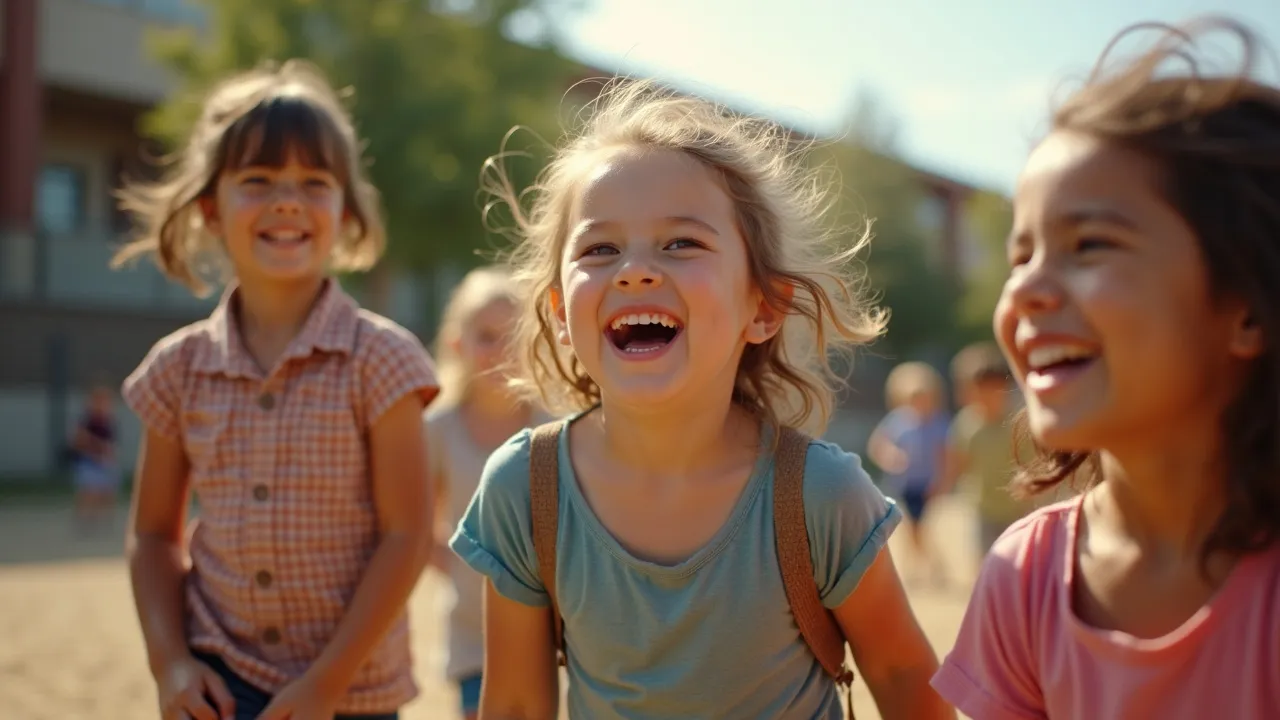
Universal Children's Day, observed on November 20th, promotes international togetherness and awareness among children worldwide. Established by the UN in 1954, it focuses on improving children's welfare.
The Historical Origins & Evolutionary Journey of Universal Children's Day
Universal Children's Day, celebrated annually on November 20th, stands as a cornerstone of global efforts to champion the rights and well-being of children. Its origins trace back to the aftermath of World War II, a period marked by profound humanitarian crises that spurred international cooperation. The day serves not only as a celebration of childhood but as a call to action to address the systemic challenges facing children across the globe.
The Foundational Catalyst (1945-1954)
In the wake of two devastating world wars, the newly formed United Nations recognized the urgent need to protect vulnerable populations, particularly children. The devastation left millions orphaned, malnourished, and denied basic education. In 1946, the UN established the United Nations International Children's Emergency Fund (UNICEF) to provide emergency relief. However, advocates recognized that a permanent, symbolic day could sustain focus on children's issues beyond emergencies.
Key figures such as Dr. Ludwik Rajchman, a Polish physician and UNICEF's first chairman, pushed for a dedicated day to raise awareness. The concept gained traction among member states, leading to a formal proposal.
The Official UN Adoption (1954)
On December 14, 1954, the United Nations General Assembly passed Resolution 836(IX), recommending that all countries institute a Universal Children's Day as a day of fraternity and understanding among children. The resolution invited member states to choose any date that suited their national traditions. However, to unify efforts, the UN suggested November 20th as a symbolic reference to the adoption of the Declaration of the Rights of the Child in 1959.
The resolution stated that the day should be observed with "appropriate activities" to promote the ideals of child welfare, including educational programs, cultural exchanges, and recreational events. Over time, a majority of nations adopted November 20th as the official date.
The Declaration and Convention Milestones (1959, 1989)
A pivotal moment arrived on November 20, 1959, when the UN General Assembly adopted the Declaration of the Rights of the Child. This foundational document outlined ten principles, including the right to education, healthcare, and protection from discrimination. It served as the moral compass for Universal Children's Day celebrations for decades.
Exactly 30 years later, on November 20, 1989, the UN adopted the Convention on the Rights of the Child (CRC), the most comprehensive treaty on children's rights. The CRC transformed Universal Children's Day into a global observance that not only celebrates progress but also holds governments accountable for implementing children's rights. Key provisions of the CRC include:
- Right to survival and development (e.g., adequate nutrition, clean water, healthcare).
- Right to protection (from abuse, exploitation, and conflict).
- Right to participation (freedom of expression, access to information).
- Right to education (free primary education, equal opportunities).
The CRC is the most ratified human rights treaty in history, with 196 countries as parties. Universal Children's Day now serves as an annual review of progress and challenges.
Modern Global Legacy (1990s-Present)
Since the 1990s, Universal Children's Day has evolved into a vibrant, multimedia campaign. Each year, UNICEF announces a theme to focus global attention. Examples include "Children's Rights Are Human Rights" (2020), "Inclusion, for Every Child" (2022), and "Investing in Our Future: Children's Education" (2024). Schools, nonprofits, and governments organize events such as child-led debates, art competitions, and policy launches.
Despite progress, challenges persist. Over 160 million children are still engaged in child labor, millions lack access to education due to conflict, and climate change disproportionately affects the youngest. Universal Children's Day remains a crucial platform to demand action. It is a day when children themselves take the microphone at UN events, reminding world leaders that the future belongs to them.
How to Celebrate Universal Children's Day: A Global Guide
Universal Children's Day on November 20th offers a unique opportunity for individuals, families, schools, and organizations to actively support children's rights and well-being. Celebrations vary widely across cultures, but they share a common goal: to amplify children's voices and create a better world for them. Below is a comprehensive, actionable guide to meaningful participation.
For Individuals and Families
- Educate Yourself and Your Children: Read the Convention on the Rights of the Child together. Discuss its principles, such as the right to play, to be heard, and to have a safe home. Use age-appropriate books or videos from UNICEF.
- Donate or Volunteer: Support organizations that work for children, such as UNICEF, Save the Children, or local shelters. Even small contributions to education funds or health initiatives make a difference.
- Host a Neighborhood Event: Organize a small gathering where children can share their ideas about what they need to be happy. Let them draw, write, or speak. Display their work in a community center.
- Spread Awareness on Social Media: Use hashtags like #WorldChildrensDay and #UniversalChildrensDay. Share facts about children's rights and tag local leaders to encourage action.
For Schools and Educational Institutions
Classroom Activities
- Simulated UN Session: Have students role-play as delegates from different countries debating children's issues. This teaches diplomacy and critical thinking.
- Art and Writing Contests: Ask students to create posters or essays on "What Rights Mean to Me." Display the best entries in a school-wide exhibition.
- Fundraising Projects: Bake sales or read-a-thons with proceeds going to a children's charity. Involve students in choosing the beneficiary.
School-Wide Programs
- Assembly with Guest Speakers: Invite child rights activists, UNICEF ambassadors, or local policymakers to speak about the importance of child welfare.
- Global Pen Pal Exchange: Connect with a school in another country via video call or letters to discuss daily life and shared hopes. This fosters global citizenship.
For Organizations and Companies
- Launch a Corporate Social Responsibility (CSR) Initiative: Announce new policies that support working parents, such as paid parental leave or on-site childcare. Fund scholarships or after-school programs in underserved communities.
- Employee Volunteering: Give staff paid time off to volunteer at children's hospitals, orphanages, or literacy programs. Organize donation drives for books and toys.
- Social Media Campaigns: Use your platform to highlight the work of child-focused NGOs. Share data on children's rights abuses and encourage followers to take action.
Regional Variations and Unique Traditions
Universal Children's Day is celebrated on different dates in some countries:
- India: November 14 (Jawaharlal Nehru's birthday) is celebrated as Children's Day with fun activities and sweets.
- Japan: May 5 (Kodomo no Hi) honors children with flying koinobori (carp-shaped windsocks) and samurai dolls.
- Turkey: April 23 (National Sovereignty and Children's Day) is a national holiday where children temporarily take over government positions.
- Many countries: June 1 (International Children's Day) is widely observed in Eastern Europe and China with performances and gifts.
Regardless of the date, the core message remains the same: every child deserves a childhood filled with love, safety, and opportunity.
Global Impact and Thematic Focus of Universal Children's Day
Universal Children's Day is not merely a symbolic celebration; it has tangible impacts on policy, funding, and public awareness. Each year, the UN and UNICEF select a theme that addresses pressing global issues, galvanizing action across sectors.
Annual Themes and Their Reach
Recent themes include "Inclusion, for Every Child" (2022), which highlighted the marginalization of children with disabilities, refugees, and those in poverty. The campaign resulted in increased funding for inclusive education programs in 15 countries. In 2023, the theme "Children's Rights Are Human Rights" emphasized the indivisibility of rights, leading to new legislation in several nations protecting children from online exploitation.
Measurable Outcomes
- Policy Changes: After the 2020 theme "Children's Voices in Democracy," seven countries lowered the voting age for local elections or established youth councils.
- Funding Increases: On Universal Children's Day 2021, the Global Partnership for Education announced $500 million in new pledges for education in conflict zones.
- Public Engagement: Social media campaigns reach billions, with #WorldChildrensDay trending annually. In 2023, over 10 million people engaged with UNICEF's digital content on November 20th.
Challenges and Criticisms
Despite successes, critics argue that Universal Children's Day can become performative if not backed by sustained action. Many governments issue statements but fail to allocate resources. The day also sometimes overshadows the specific struggles of children in less visible regions, such as those affected by climate change in the Pacific Islands. To address this, UNICEF now encourages year-round advocacy and the use of the day as a launchpad for long-term initiatives.
Children's Rights and the UN Convention: Core Principles
The United Nations Convention on the Rights of the Child (CRC) is the bedrock of Universal Children's Day. Adopted on November 20, 1989, it is the most comprehensive human rights treaty in history, covering civil, political, economic, social, and cultural rights for all individuals under 18.
The Four Guiding Principles
- Non-discrimination (Article 2): Every child has the same rights regardless of race, gender, religion, or disability. Celebrations often highlight the most marginalized groups.
- Best interests of the child (Article 3): In all actions concerning children, their well-being must come first. This principle is invoked in court rulings and policy decisions on Universal Children's Day.
- Right to life, survival, and development (Article 6): Governments must ensure children have access to healthcare, nutrition, and education to reach their full potential.
- Right to be heard (Article 12): Children have the right to express their views on matters affecting them. Universal Children's Day often features child speakers at UN forums.
Key Provisions
- Education (Articles 28-29): Free and compulsory primary education, with secondary education accessible to all. Schools should promote respect for human rights.
- Protection from violence (Article 19): States must protect children from physical or mental violence, abuse, and neglect. This includes bullying and corporal punishment.
- Family environment (Articles 9-11): Children should not be separated from parents unless necessary. Enticing adoption and fostering as alternatives to institutional care.
Every year on November 20th, countries submit progress reports to the UN Committee on the Rights of the Child. These reports highlight achievements and gaps, shaping future policy agendas.
Educational and Social Initiatives on Universal Children's Day
Education stands at the heart of Universal Children's Day, not just as a right but as a transformative tool. Schools worldwide use the day to launch innovative programs and foster global citizenship.
Classroom Engagement Models
Many schools adopt project-based learning focused on children's rights. For example, students might create a "Children's Bill of Rights" for their school, then hold a mock election to adopt it. Others participate in the "One Million Signatures" campaign, collecting signatures for petitions to local governments on issues like playground safety or school lunch quality.
Global Collaborations
- UNICEF's "Kids Take Over": On Universal Children's Day, children step into roles as journalists, CEOs, and even prime ministers for a day. In 2023, over 200,000 children participated in 90 countries.
- Pen Pal Programs: Organizations like World Vision facilitate letter exchanges between children in different countries, breaking down cultural barriers.
- Digital Classrooms: Webinars and virtual field trips connect students with child rights experts. Topics range from climate activism to digital safety.
Social Initiatives
Nonprofits launch campaigns around the day:
- Book Drives: Collecting age-appropriate books for children in hospitals, shelters, or low-income areas.
- Health Camps: Free medical check-ups, vaccinations, and nutrition workshops organized in underserved communities.
- Child Helplines: Awareness campaigns promoting hotlines for children in distress, such as 116111 (European helpline) or 1-800-422-4453 (US Childhelp).
These initiatives ensure that Universal Children's Day leaves a lasting impact beyond a single date.
Role of Media and Technology in Shaping Universal Children's Day
In the digital age, media and technology play a dual role: they can amplify children's rights but also pose new threats. Universal Children's Day increasingly focuses on digital inclusion, safety, and the responsible use of technology.
Amplifying Voices Through Digital Platforms
Children and youth use social media to share their stories directly, bypassing traditional gatekeepers. On November 20th, hashtag campaigns gain traction, with children posting videos about their dreams and challenges. The UN's #YouthLead campaign encourages young people to preach about issues like mental health and climate justice.
Technology as a Tool for Education
- Mobile Learning Apps: Apps like Khan Academy Kids and UNICEF's own Learning Passport provide free educational content, often promoted heavily on Universal Children's Day.
- Virtual Reality Experiences: NGOs create VR simulations that let viewers experience a day in the life of a refugee child, building empathy.
- Online Safety Workshops: On Universal Children's Day, many organizations host workshops on cyberbullying, privacy, and critical thinking about online information.
Challenges and Ethical Considerations
However, technology also exacerbates inequalities. Over 2.2 billion children lack internet access at home, a gap highlighted during the pandemic. Universal Children's Day pushes for universal connectivity as a human right. Additionally, the rise of AI and surveillance threatens children's privacy. Advocates use the day to demand robust data protection laws for minors. Media campaigns also caution against over-sharing children's images online ("sharenting") to protect their privacy.
Ultimately, Universal Children's Day in the 21st century must navigate these complexities, ensuring that technology becomes a force for equity and safety, not exploitation.
Historical Timeline
UNICEF is established by the United Nations to provide emergency food and healthcare to children in countries devastated by World War II.
The UN General Assembly recommends that all countries institute a Universal Children's Day, to be observed on a date of their choosing, with November 20th suggested as a symbolic date.
On November 20th, the UN General Assembly adopts the Declaration of the Rights of the Child, outlining ten principles for child welfare.
November 20th: The UN General Assembly adopts the Convention on the Rights of the Child (CRC), a comprehensive treaty that becomes the most ratified human rights instrument in history.
World Summit for Children convenes at the UN, mobilizing global political support for implementing the CRC. Universal Children's Day gains momentum as an annual review platform.
The UN Millennium Development Goals include targets for child health, education, and poverty reduction, aligning with Universal Children's Day themes.
Sustainable Development Goals adopted, with a specific focus on children's rights in Goal 4 (education) and Goal 16 (peace, justice, and strong institutions).
Universal Children's Day theme focuses on 'Climate Action for Children,' urging governments to include child-specific policies in national climate plans.