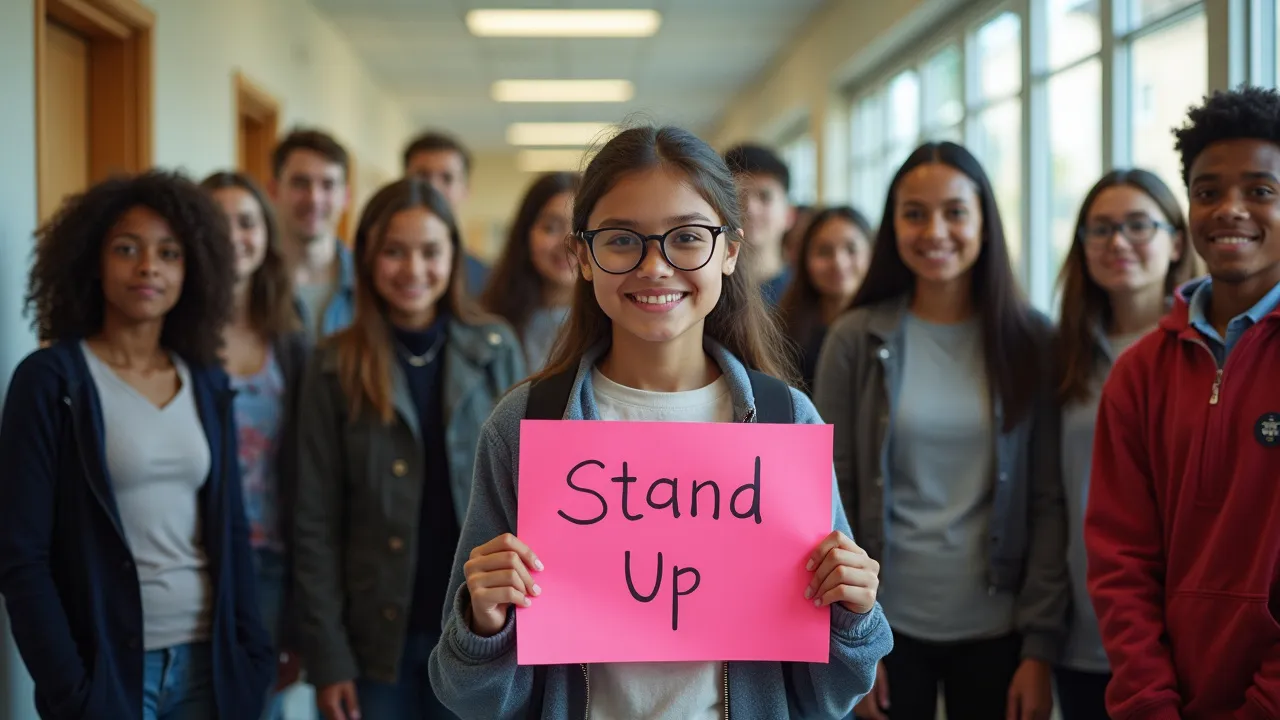
Observed on the third Friday in November, International Stand Up to Bullying Day unites individuals, schools, and organizations worldwide to raise awareness and take a stand against bullying in all its forms.
Historical Origins & Evolutionary Journey
International Stand Up to Bullying Day is observed annually on the third Friday in November, serving as a global call to action against bullying. Unlike other anti-bullying observances that focus on awareness alone, this day emphasizes active intervention and solidarity. The roots of this day trace back to grassroots youth movements and organizational efforts aimed at creating safer environments for children and adults alike.
The Foundational Catalyst
The modern anti-bullying movement gained significant traction after high-profile incidents of school bullying and cyberbullying in the early 2000s. In 2007, two Canadian teenagers, Travis Price and David Shepherd, organized a "Pink Shirt Day" after a fellow student was bullied for wearing a pink shirt. Their act of solidarity—encouraging everyone to wear pink—sparked a national conversation. This event later inspired the creation of International Stand Up to Bullying Day, which expanded the focus from clothing to concrete actions. The third Friday in November was chosen to avoid overlap with other awareness campaigns and to anchor the message before the holiday season.
Legislative & Organizational Adoption
By 2008, BullyingCanada, the Canadian Red Cross, and other advocacy groups formally declared the third Friday in November as International Stand Up to Bullying Day. The observance quickly spread across borders through social media and school programs. In 2013, the United Nations recognized the need for global anti-bullying efforts, though this day remains a grassroots-led initiative. Key milestones include the integration of anti-bullying curricula in over 30 countries and the adoption of "Stand Up" pledges by corporations and sports teams.
Modern Global Legacy
Today, International Stand Up to Bullying Day is marked by millions of participants across all continents. It has evolved from a single-day event into a movement that encourages year-round vigilance. The day's message has been adapted to address cyberbullying, workplace harassment, and discrimination. In 2020, virtual activities surged due to the pandemic, proving that digital spaces can be powerful platforms for solidarity.
How to Celebrate International Stand Up to Bullying Day
Celebrating International Stand Up to Bullying Day goes beyond wearing a symbolic color. It requires deliberate action, education, and community engagement. Below are comprehensive strategies tailored for individuals, schools, and organizations, with specific practices from different cultures.
Individual Actions
- Take the Pledge: Publicly commit to standing up against bullying. Use social media with hashtags like #StandUpToBullying.
- Educate Yourself: Read resources from reputable organizations such as BullyingCanada or StopBullying.gov.
- Intervene Safely: If you witness bullying, use the "3 R's": Recognize, Refuse, and Report.
- Support Victims: Reach out to someone who may be isolated. A simple conversation can make a difference.
School Programs
- Wear Pink or Blue: In many North American schools, wearing pink symbolizes unity against bullying. In parts of Europe, blue is used.
- Peer Mediation Workshops: Train students to resolve conflicts without aggression.
- Art and Essay Contests: Encourage creative expressions about inclusion.
- Anonymous Reporting Systems: Set up digital tools for students to report incidents safely.
Organizational Initiatives
Corporations and nonprofits can host lunch-and-learn sessions, update anti-harassment policies, and form employee resource groups. In Japan, some companies hold "Kokoro no Kakehashi" (Bridge of Hearts) events focusing on emotional well-being. In Australia, community gatherings called "Sock It to Bullying" involve wearing mismatched socks to celebrate diversity.
Regional Variations
- Canada & USA: Emphasis on pink shirts, classroom discussions, and fundraising for anti-bullying charities.
- United Kingdom: "Odd Socks Day" in conjunction with Anti-Bullying Week (November).
- India: Schools organize street plays and rallies in local languages.
- Brazil: Use of purple ribbons and online campaigns focused on cyberbullying.
Global Impact and Societal Transformation
The influence of International Stand Up to Bullying Day extends far beyond a single date. It has spurred legislative changes, technological innovations, and cultural shifts in how bullying is perceived and addressed.
Legislative Reforms
In the decade following the day's inception, over 20 countries passed laws requiring schools to implement anti-bullying policies. For example, South Korea's "School Violence Prevention Act" was strengthened after public campaigns tied to the observance. In the United States, 48 states now have anti-bullying laws, many referencing the day as a catalyst for awareness.
Technological Countermeasures
The rise of cyberbullying prompted tech companies to develop reporting tools and AI moderation. On International Stand Up to Bullying Day, platforms like Instagram and Twitter (now X) often launch feature updates aimed at reducing harassment. The day also highlights the need for digital literacy education.
Cultural Shifts
Stigma around reporting bullying has decreased, especially among young people. Movements like "Me Too" and "Time's Up" have paralleled the anti-bullying message, reinforcing that standing up against abuse is a collective responsibility. The day's inclusive approach—addressing race, gender, sexual orientation, and disability—has made it a cornerstone of social justice advocacy.
The Role of Schools and Education Systems
Educational institutions are the frontline in the fight against bullying. International Stand Up to Bullying Day provides a framework for schools to evaluate their policies and culture.
Curriculum Integration
Many schools dedicate the entire week of the third Friday to anti-bullying education. Subjects like social studies and health classes incorporate case studies and role-playing exercises. For instance, a lesson plan might include analyzing the effects of cyberbullying through real-world scenarios.
Teacher Training
Effective intervention requires trained educators. Professional development workshops on this day focus on identifying subtle forms of bullying, such as exclusion or microaggressions. Schools in Finland have adopted the KiVa program, which uses peer support and systematic monitoring.
Student-Led Initiatives
Empowering students to lead anti-bullying efforts is vital. Peer mentoring programs, such as "Big Buddies" in elementary schools, pair older students with younger ones to foster connection. Student councils often organize assemblies featuring guest speakers who share personal experiences.
Workplace and Organizational Dynamics
Bullying is not limited to schools; it affects workplaces, sports teams, and online communities. International Stand Up to Bullying Day prompts organizations to audit their environments.
Creating Safe Workplaces
Human resources departments use the day to remind employees of reporting channels and zero-tolerance policies. In some companies, anonymous surveys are distributed to gauge the prevalence of bullying. Leadership teams publicly commit to fostering respect.
Sports and Team Culture
Athletic organizations have adopted anti-bullying codes of conduct. For example, the National Football League (NFL) in the US participates by promoting its "No Bully" campaign. Coaches receive training on identifying hazing and emotional abuse.
Online Communities
Social media influencers and gaming platforms often use the day to launch kindness campaigns. Twitch streamers, for instance, host charity streams with anti-bullying themes, donating proceeds to support organizations.
Mental Health and Support Systems
The psychological impact of bullying can be severe, leading to anxiety, depression, and even suicide. International Stand Up to Bullying Day emphasizes the importance of mental health resources.
Crisis Intervention
Hotlines like the National Suicide Prevention Lifeline (USA) and Kids Help Phone (Canada) see increased call volumes on this day. Awareness campaigns highlight these services.
Long-Term Healing
Support groups and therapy programs for bullying survivors are promoted. Schools often invite counselors to conduct check-ins with students. The day also addresses the mental health of bystanders, who may experience guilt or trauma.
Resilience Building
Workshops on assertiveness, emotional regulation, and social skills are common. In New Zealand, a program called "Sticks and Stones" teaches children to reframe negative experiences.
Future Directions and Challenges
As technology and society evolve, so must anti-bullying efforts. International Stand Up to Bullying Day serves as a barometer for emerging issues.
Artificial Intelligence & Bullying
AI tools can detect bullying patterns but also raise privacy concerns. The day advocates for ethical technology use and digital citizenship.
Intersectionality
Bullying often targets marginalized groups. Future strategies must address systemic inequalities. For example, LGBTQ+ youth face higher rates of bullying, so specialized support is needed.
Global Cooperation
The day encourages cross-border partnerships. UNESCO has collaborated with national committees to promote inclusive education. A unified international data collection system could better track progress.
Historical Timeline
Canadian teens Travis Price and David Shepherd organize Pink Shirt Day after a boy is bullied for wearing pink. This event inspires the anti-bullying movement.
International Stand Up to Bullying Day is first observed on the third Friday of November, spearheaded by BullyingCanada and the Canadian Red Cross.
The observance gains international recognition through social media campaigns, with participants in over 30 countries.
The United Nations Educational, Scientific and Cultural Organization (UNESCO) includes anti-bullying initiatives in its Global Citizenship Education program.
Major tech companies like Facebook and Google launch enhanced reporting tools on International Stand Up to Bullying Day to combat cyberbullying.
Due to the COVID-19 pandemic, the day shifts to virtual events, including online pledges and webinars, broadening global participation.
Over 100 countries officially recognize International Stand Up to Bullying Day, with legislative reforms in Brazil, India, and South Africa.