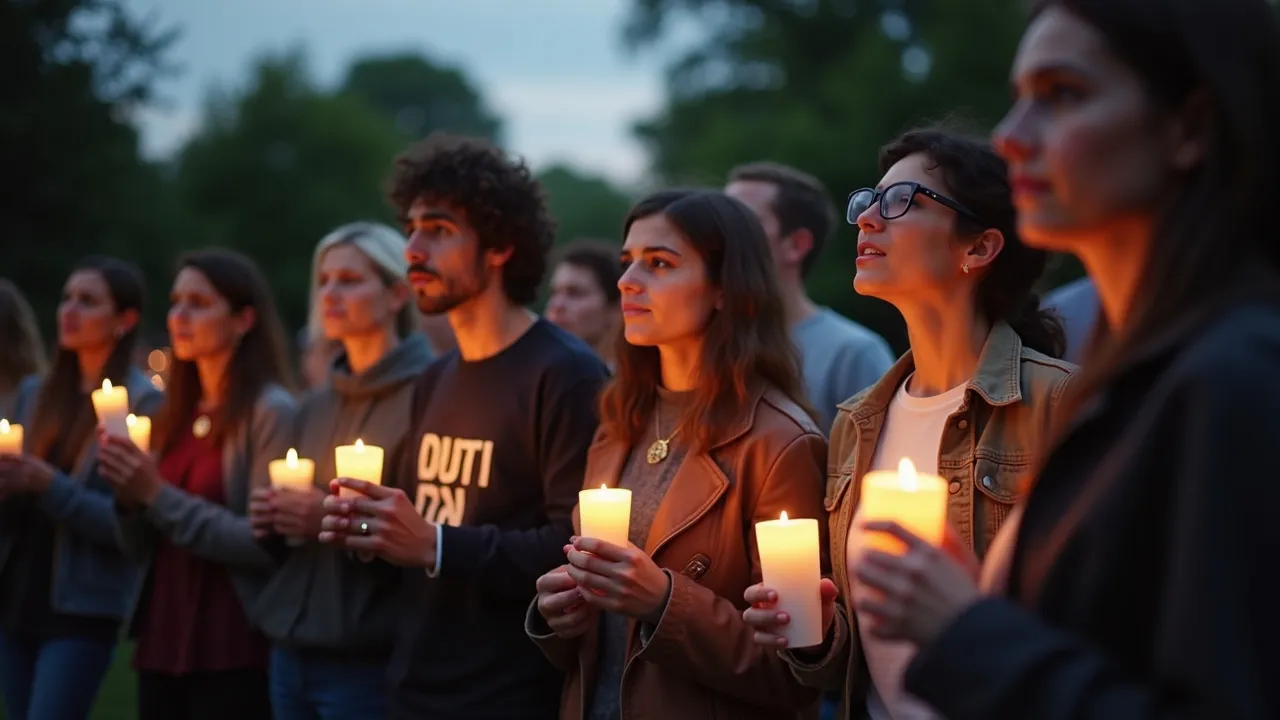
Transgender Day of Remembrance (TDoR) is an annual observance on November 20th honoring the memory of transgender people whose lives were lost in acts of anti-transgender violence. It also raises awareness of the ongoing discrimination and violence faced by the transgender community worldwide.
The Historical Origins & Evolutionary Journey
The Transgender Day of Remembrance (TDoR) was first observed on November 20, 1999, as a vigil to honor the memory of Rita Hester, a transgender woman who was murdered in Allston, Massachusetts, on November 28, 1998. The event was organized by Gwendolyn Ann Smith, a transgender activist, writer, and graphic designer, who wanted to bring attention to the epidemic of anti-transgender violence.
The Foundational Catalyst
The murder of Rita Hester was not an isolated incident, but it became a rallying point for the transgender community. Her case received minimal media coverage compared to other hate crimes, and the lack of justice highlighted systemic issues. Smith initiated an online memorial and later a candlelight vigil in San Francisco. The following year, she expanded the event to a national day of remembrance.
The Legislative/Official Adoption
Over the years, TDoR gained recognition from LGBTQ+ organizations and human rights groups. In 2014, the U.S. House of Representatives passed a resolution recognizing November 20 as Transgender Day of Remembrance. Many cities and states have issued proclamations, and the day is now observed in over 20 countries. Despite this, some governments still fail to officially acknowledge the day.
Modern Global Legacy
Today, TDoR is marked by vigils, marches, and educational events. The Transgender Day of Remembrance website (transgenderdor.org) maintains a list of known victims, which as of 2023 includes over 3,000 names. The day has evolved to also celebrate transgender lives and resilience, and many events now include elements of joy and community building alongside mourning.
How to Celebrate Transgender Day of Remembrance
Observing TDoR can take many forms, from personal reflection to public advocacy. Below are actionable strategies for individuals, schools, and organizations.
For Individuals
- Attend a local vigil or memorial service. Many communities organize candlelight vigils at local LGBTQ+ centers or parks.
- Light a candle at home at sunset and take a moment of silence to honor the lives lost.
- Educate yourself by reading the list of victims on the TDoR website. Reflect on each name to personalize the tragedy.
- Volunteer with or donate to organizations that support transgender individuals, such as the Transgender Law Center or the Trevor Project.
For Schools and Universities
- Host a panel discussion with transgender speakers or allies to raise awareness about anti-trans violence.
- Display a memorial wall with names and photos of victims, with permission from families.
- Organize a fundraising campaign for transgender-led charities.
For Organizations and Corporations
- Issue a public statement of support for the transgender community and outline specific actions your organization is taking to promote inclusion.
- Provide training on transgender sensitivity and harassment prevention.
- Encourage employees to participate in TDoR events during work hours.
Global Traditions
In the United Kingdom, TDoR is marked by a national vigil in London and local events. In Brazil, where anti-trans murder rates are among the highest, massive marches take place in São Paulo and Rio de Janeiro. In India, trans-led organizations hold awareness campaigns and cultural events. In Canada, many government buildings fly the transgender flag at half-mast.
Global Impact and Awareness
The Transgender Day of Remembrance has significantly raised global awareness about the violence targeting transgender individuals. According to the Human Rights Campaign, at least 35 transgender people were killed in the United States in 2023 alone, and that number is likely an undercount. Worldwide, the Trans Murder Monitoring project has recorded over 4,000 reported murders of trans people in the last decade, though the actual number is much higher.
Media and Representation
TDoR has pressured media outlets to cover anti-trans violence more thoroughly. Many news organizations now run dedicated segments on November 20. Social media campaigns using #TransDayOfRemembrance trend annually, helping to amplify marginalized voices.
Intersectionality
The day also highlights how trans women of color are disproportionately affected. Black and brown trans women make up the majority of victims. Organizations like the Trans Women of Color Collective use TDoR to advocate for systemic change.
The Role of Allies and Organizations
Allies play a crucial role in the success of TDoR. Many cisgender individuals attend vigils, share information, and donate to trans-led causes. Organizations such as GLAAD, the Human Rights Campaign, and the National Center for Transgender Equality provide resources and coordinate events.
Corporate Allyship
Some corporations have faced criticism for performative allyship on TDoR. To be effective, businesses must commit to year-round support, including inclusive policies, healthcare coverage for transgender employees, and public advocacy.
Community-Led Initiatives
The most impactful events are those spearheaded by transgender people themselves. Local trans-led groups often have the most authentic understanding of their community's needs. Allies should listen, amplify, and follow their lead.
Legislative Progress and Challenges
While TDoR mourns the dead, it also fuels the fight for the living. Legislative progress has been uneven. In the United States, many states have passed anti-trans laws targeting healthcare, sports, and bathroom access, while others have strengthened hate crime protections.
Global Legislative Landscape
- In Argentina, the Gender Identity Law of 2012 is considered one of the most progressive in the world.
- In Russia, a 2023 law effectively bans transgender identity, making TDoR observances illegal.
- In the United Kingdom, the Gender Recognition Act reform has stalled, and trans rights are under attack.
TDoR events often include calls to action, urging lawmakers to pass protective legislation and fund social services for trans people.
Memorials and Vigils Worldwide
Vigils are the heart of TDoR. They take place in hundreds of cities every year. Typical elements include reading names of victims, lighting candles, moments of silence, and speeches from community leaders. Some vigils include visual art installations or performance pieces.
Digital Memorials
Online memorials have become particularly important. The TDoR website maintains an interactive map of vigils and a searchable database of victims. Social media allows people who cannot attend in person to participate by sharing stories and using official hashtags.
Notable Annual Events
- San Francisco’s Trans March often coincides with TDoR weekend.
- New York City’s vigil at the LGBT Community Center is one of the largest in the US.
- London’s Trans Pride takes place in November to align with TDoR.
Historical Timeline
Rita Hester, a Black transgender woman, is murdered in Allston, Massachusetts. The crime receives little media attention, sparking outrage in the trans community.
Gwendolyn Ann Smith organizes the first Transgender Day of Remembrance in San Francisco, with a candlelight vigil and online memorial.
TDoR expands to multiple cities across the United States, including New York, Los Angeles, and Boston.
The first international TDoR events occur in Canada and the United Kingdom.
The Trans Murder Monitoring project begins, systematically tracking violent deaths of trans people worldwide.
The U.S. House of Representatives passes a resolution officially recognizing November 20 as Transgender Day of Remembrance.
TDoR events are held in over 20 countries. The hashtag #TransDayOfRemembrance trends on Twitter.
The Trump administration proposes a definition of gender based on sex assigned at birth, prompting massive TDoR protests.
Because of the COVID-19 pandemic, many vigils move online. Virtual events reach a wider audience.
At least 35 trans people are reported killed in the US. TDoR includes calls to action against a wave of anti-trans legislation.