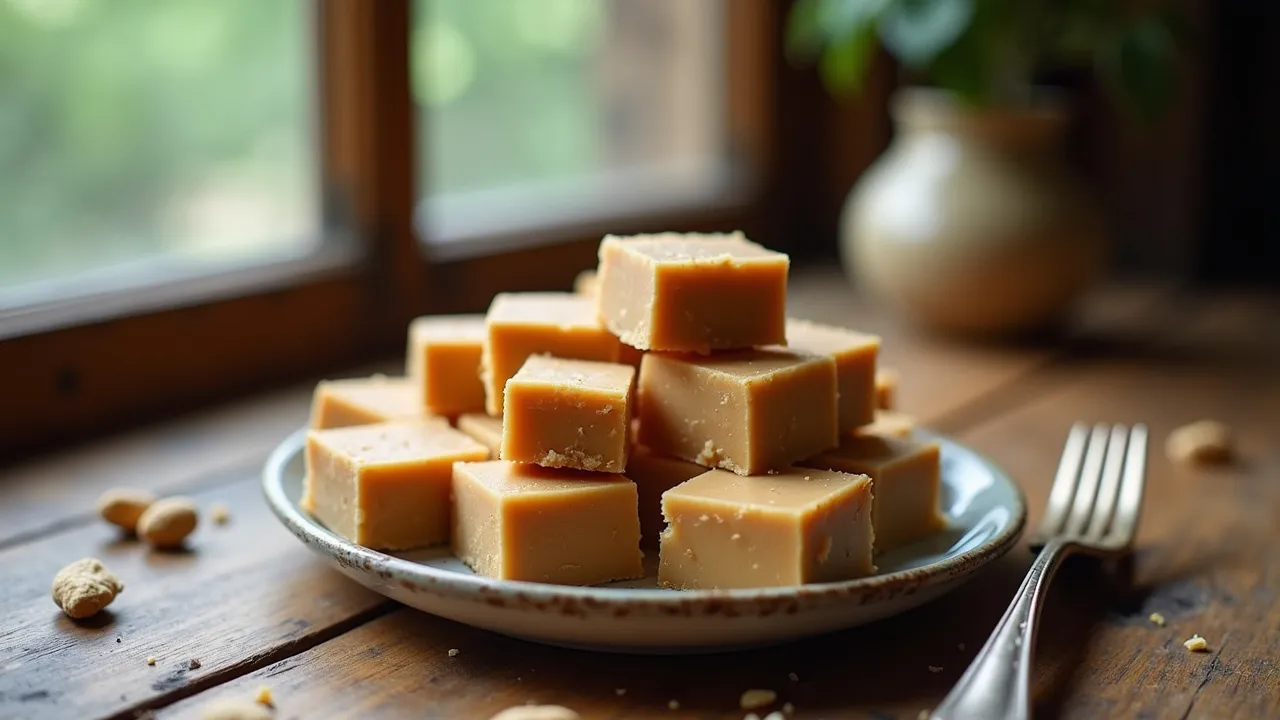
National Peanut Butter Fudge Day, observed on November 20th, celebrates the rich, creamy confection blending peanut butter and fudge. Learn its history, global variations, and how to indulge.
The Historical Origins & Evolutionary Journey
National Peanut Butter Fudge Day traces its roots to the invention of fudge itself in the late 19th century and the later popularization of peanut butter. The exact origin of the day is unclear, but it has been observed on November 20th since at least 2015, promoted by food enthusiasts and confectionery companies.
The Foundational Catalyst: The Birth of Fudge
Fudge was first created in the United States in the 1880s. A famous story attributes its invention to a batch of caramel that "fudged" (failed) but resulted in a creamy, crystalline confection. By the early 20th century, fudge became a staple at seaside resorts and candy shops.
The Role of Peanut Butter
Peanut butter, patented by Marcellus Gilmore Edson in 1884 and later popularized at the 1904 St. Louis World's Fair, was initially a health food for the elderly. The combination of peanut butter and fudge likely emerged in home kitchens during the mid-20th century, appearing in community cookbooks by the 1950s.
The Legislative/Official Adoption
Unlike federal holidays, National Peanut Butter Fudge Day was established by the National Day Calendar, a private organization that registers unofficial holidays. It gained traction through social media and food blogs, becoming a recognized date for indulgence.
Modern Global Legacy
Today, the day is celebrated across the United States and increasingly worldwide, with bakeries offering specialty fudge, social media campaigns using #PeanutButterFudgeDay, and home bakers sharing recipes. It represents the fusion of two beloved flavors into a timeless treat.
How to Celebrate National Peanut Butter Fudge Day
Whether you are a seasoned confectioner or a novice, celebrating National Peanut Butter Fudge Day offers endless possibilities. Below are strategies tailored for individuals, families, schools, and organizations.
For Individuals and Families
- Make Homemade Fudge: Follow a classic recipe using peanut butter, sugar, butter, and vanilla. Experiment with add-ins like chocolate chips, sea salt, or marshmallows.
- Fudge Tasting Party: Prepare multiple varieties — creamy, crunchy, dark chocolate peanut butter fudge — and host a blind tasting with friends.
- Gift Fudge: Package homemade fudge in decorative tins or jars and share with neighbors or coworkers.
For Schools and Community Groups
- Educational Workshop: Teach students the science of sugar crystallization while making fudge. Discuss the history of peanut butter and confectionery.
- Fundraiser: Sell peanut butter fudge at a school fair or bake sale, with proceeds for a local charity.
- Cultural Exchange: Explore international versions like Indian peanut chikki or African peanut candies.
For Businesses and Organizations
- Limited-Edition Product: Cafés and bakeries can offer a special peanut butter fudge pastry or drink for the day.
- Social Media Campaign: Launch a contest asking followers to share their best fudge photo with a branded hashtag.
- Corporate Gift Giving: Send fudge assortments to clients as a thoughtful, seasonal gesture.
Global Traditions
In the United States, fudge is often associated with tourist destinations like Mackinac Island (Michigan) or the Jersey Shore. In Canada, peanut butter fudge sometimes includes maple syrup. In the United Kingdom, similar treats are called "peanut butter shortbread" or "fudge slices."
The Nutritional Profile of Peanut Butter Fudge
Peanut butter fudge is a rich, calorie-dense confection. Understanding its nutritional components can help consumers enjoy it mindfully.
Calorie and Macronutrient Breakdown
A typical one-ounce (28g) serving of peanut butter fudge contains approximately 130-150 calories, with 7-10g of fat, 15-18g of carbohydrates (mostly sugar), and 2-3g of protein. The fat content comes primarily from butter and peanut butter, which provide both saturated and unsaturated fats.
Peanut Butter's Health Benefits
Peanut butter contributes protein, healthy monounsaturated fats, vitamin E, magnesium, and potassium. When combined with sugar, these benefits are offset by high glycemic load. Moderation is key.
- Allergen Warning: Peanut butter fudge contains peanuts and often dairy, making it unsuitable for those with allergies or lactose intolerance.
- Vegan Alternatives: Use coconut oil, vegan butter, and dairy-free chocolate to create a plant-based version.
- Reduced-Sugar Options: Substitute sugar with erythritol or allulose for lower-carb fudge.
Cultural Impact and Global Variations
Peanut butter fudge has transcended borders, adapting to local tastes. This section explores its cultural footprint and diverse interpretations.
Cultural Significance in the United States
In America, fudge is a nostalgic treat tied to boardwalks, county fairs, and holiday gift-giving. Peanut butter fudge specifically evokes memories of grandmother's kitchen and homemade Christmas presents. It appears in cookbooks from the 1950s onward.
Regional Variations
- Southern-Style: Often includes buttermilk or pecans for a distinct tang and crunch.
- New England: Uses maple syrup instead of corn syrup, adding a woodsy sweetness.
- Midwest: Thick, creamy, and sometimes topped with chocolate fudge layers.
International Adaptations
- India: Peanut chikki — a brittle made from peanuts and jaggery — shares similar flavors and textures.
- West Africa: Peanut candies called "kuli-kuli" or groundnut cake are savory-sweet snacks, not fudge but culturally parallel.
- Australia: "Peanut butter fudge" is popular in bakeries, often with a honey twist.
The Science of Perfect Peanut Butter Fudge
Making flawless fudge requires understanding sugar crystallization. This section delves into the chemistry behind creamy, smooth peanut butter fudge.
The Role of Temperature
Fudge is a crystalline candy. The sugar syrup must reach the soft-ball stage (234-240°F or 112-115°C). If overcooked, crystals grow too large, resulting in gritty fudge. Peanut butter adds fat that interferes with crystallization, making the final texture softer.
Key Ingredients and Their Functions
- Sugar: Provides structure and sweetness; granulated white sugar is standard.
- Corn Syrup: Inverts sugar to prevent large crystals, ensuring a smooth texture.
- Butter: Adds richness and helps control crystallization.
- Peanut Butter: Contributes flavor, fat, and protein; creamy or crunchy affects mouthfeel.
Common Pitfalls
- Grainy Texture: Caused by agitation too early or incorrect temperature.
- Too Soft/Not Setting: Insufficient cooking or too much peanut butter.
- Separation: Oil separating from fudge due to overheating or improper emulsification.
Using a candy thermometer and cooling without stirring are critical steps.
Industry and Economy of Peanut Butter Fudge
The confectionery industry benefits from specialty days like National Peanut Butter Fudge Day. This section examines its economic impact.
Market Size and Trends
The global fudge market is valued at over $2 billion, with peanut butter fudge representing a significant niche. Growth is driven by artisanal producers and online gifting. Seasonal spikes occur around holidays like Christmas and National Peanut Butter Fudge Day.
Major Players
- Mackinac Island Fudge: Known for world-famous fudge, with peanut butter varieties being top sellers.
- See's Candies: Offers peanut butter fudge as a seasonal item.
- Local Artisans: Small-town shops and farmers' markets produce high-quality fudge with local ingredients.
E-Commerce Growth
Online fudge retailers ship nationwide, capitalizing on food holidays. Social media influencers promote recipes using branded ingredients, creating a virtuous cycle of awareness and sales.
Historical Timeline
Marcellus Gilmore Edson patents peanut butter, initially as a protein supplement for the elderly.
First recorded fudge recipe appears in a letter from Emelyn B. Hartridge, a Vassar College student.
Peanut butter gains national exposure at the St. Louis World's Fair.
Fudge becomes a popular homemade treat, with peanut butter versions appearing in community cookbooks.
Peanut butter fudge becomes a staple at American holidays and family gatherings.
National Peanut Butter Fudge Day is first observed on November 20th, as recorded by the National Day Calendar.
Social media trends boost the popularity of National Peanut Butter Fudge Day, with thousands of posts under #PeanutButterFudgeDay.