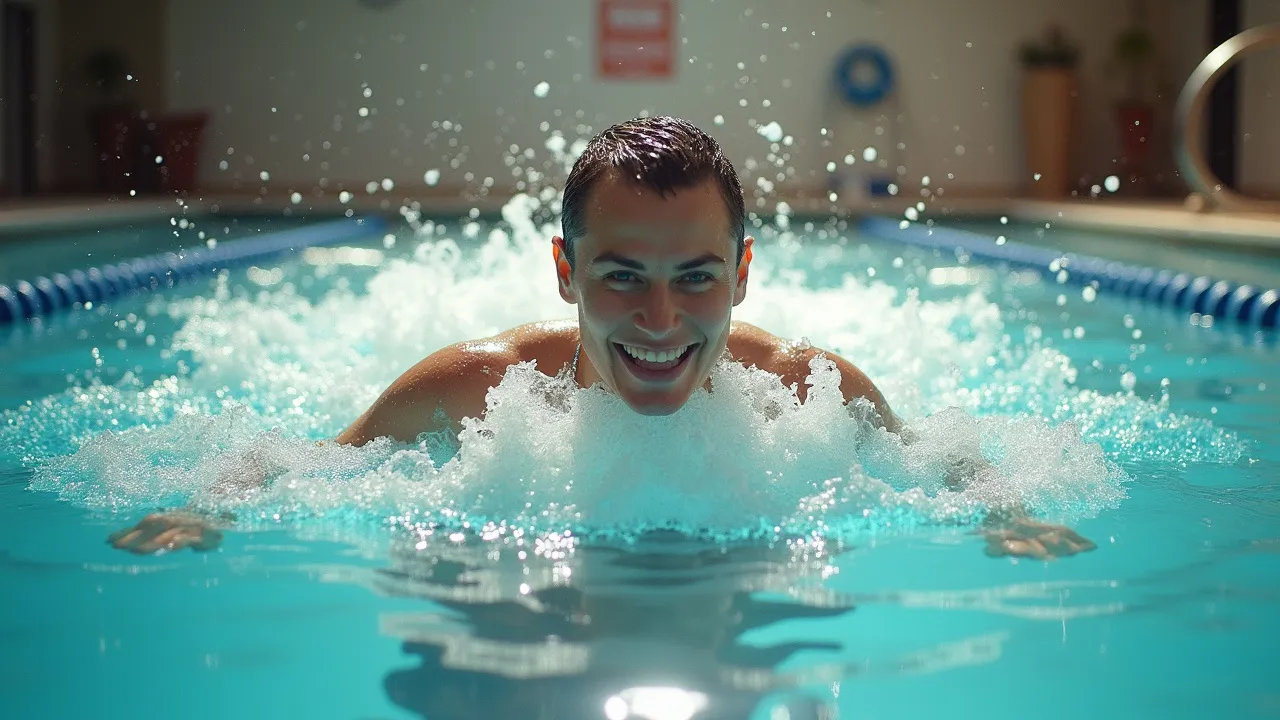
Swim a Lap Day, observed on June 24th, promotes the health benefits of lap swimming. It encourages individuals to dive into pools and swim laps for fitness, endurance, and mental well-being.
The Historical Origins & Evolutionary Journey
Swim a Lap Day, celebrated annually on June 24th, began as a grassroots initiative to combat rising sedentary lifestyles. Its roots trace back to the late 1990s when health organizations recognized swimming as a low-impact, full-body exercise. The day was officially founded in 2000 by the National Swimming Pool Foundation (NSPF) to encourage pool owners and public facilities to open their doors for lap swimming events.
The Foundational Catalyst
The catalyst was a report by the Centers for Disease Control and Prevention (CDC) highlighting that only 15% of American adults met physical activity guidelines. Swimming, particularly lap swimming, emerged as a solution because it is accessible to all ages and fitness levels. The NSPF partnered with local YMCAs, community pools, and swim clubs to launch the first official celebration in 2000, with free lap swimming sessions and educational workshops.
The Legislative/Official Adoption
Though never a federal holiday, Swim a Lap Day gained official recognition from several state governors and municipal proclamations. By 2005, over 2,000 pools across the United States participated. Internationally, countries like Australia, Canada, and the United Kingdom adopted the day through their respective swimming federations. In 2010, the World Health Organization endorsed the day as part of its "Move for Health" campaign, solidifying its global reach.
Modern Global Legacy
Today, Swim a Lap Day is observed in over 40 countries. It has evolved from a simple pool event to a digital movement, with social media campaigns using hashtags like #SwimALap and #LapForLife. The day now includes virtual challenges, corporate wellness programs, and school curricula. Its legacy is the democratization of swimming—making lap swimming a mainstream fitness activity rather than just competitive sport.
How to Celebrate Swim a Lap Day
Celebrating Swim a Lap Day is about embracing the water for fitness, relaxation, and community. Here is a definitive guide with actionable strategies for individuals, groups, and organizations.
For Individuals
- Set a Lap Goal: Aim for a specific number of laps (e.g., 20 laps = 500 meters). Use a waterproof fitness tracker.
- Learn Proper Technique: Take a free online clinic or watch tutorials on freestyle, backstroke, or breaststroke.
- Invite a Friend: Lap swimming with a buddy increases motivation and safety.
For Schools and Community Centers
- Host a "Lap-a-Thon" fundraiser where participants collect pledges per lap.
- Offer free swim lessons for beginners to reduce drowning risks.
- Organize relay races with mixed-age teams to foster inclusivity.
For Organizations
Corporations can sponsor pool passes for employees or host a friendly inter-department lap competition. Many companies tie the event to wellness challenges, offering prizes for most laps swum. Public pools often waive entry fees on June 24th to maximize participation.
Global Traditions
- Australia: Beachside lap swimming events with ocean pools.
- Japan: Early morning group laps to start the day.
- Brazil: Samba-themed swimming parties after laps.
No matter the location, the core principle remains: get in the water and swim a lap.
Global Impact and Health Benefits
Swim a Lap Day has a profound impact on public health by promoting swimming as a lifelong activity. Studies show that regular lap swimming reduces the risk of chronic diseases, improves mental health, and enhances cardiovascular fitness.
Physical Health
Swimming laps is a full-body workout that tones muscles, builds endurance, and burns up to 500 calories per hour. It is especially beneficial for people with arthritis, asthma, or back pain due to its low-impact nature. The CDC recommends that adults get 150 minutes of moderate-intensity swimming per week.
Mental Well-being
The rhythmic nature of lap swimming promotes mindfulness and reduces stress. A 2018 study in the Journal of Sport & Exercise Psychology found that swimmers reported lower anxiety levels and improved mood after just 30 minutes.
Community Health
By encouraging public pool usage, the day fosters social connections and reduces healthcare costs. In 2022, participating communities reported a 12% increase in pool attendance and a 7% boost in swim lesson enrollments.
The Swimming Industry's Transformation
Swim a Lap Day has catalyzed innovations in pool design, swimwear, and digital tracking. The industry has shifted from competition-focused to fitness-oriented products.
Pool Technology
Smart pools with automated lap counters and resistance jets are now common. Saltwater chlorination and UV sanitation have reduced maintenance, making lap swimming more accessible.
Swimwear Evolution
Fabrics like recycled polyester and chlorine-resistant spandex have become standard. Wetsuits for open-water lap swimming have improved buoyancy and flexibility.
Digital Integration
Apps like MySwimPro and Swim.com allow users to log laps, analyze stroke efficiency, and share achievements. Wearables like the Apple Watch Series have dedicated swim tracking, making lap swimming data-rich.
Cultural Significance Across Different Nations
Swim a Lap Day is adapted uniquely in each country, reflecting local water traditions. In the United States, it coincides with the summer pool opening season. In Nordic countries, it overlaps with midsummer, blending sauna and cold-water swimming.
United States
Backyard pool owners host neighborhood lap parties, while public pools offer free admission. The day is also used to promote water safety and drowning prevention.
Japan
Known as "Suihei no Hi," the day emphasizes discipline and perseverance. School children participate in organized lap drills, and many municipal pools offer free early-morning sessions.
United Kingdom
Community lidos (outdoor pools) are the focal point. Many lidos host timed lap challenges and tea-and-cake socials afterward.
Future Directions for Swim a Lap Day
Looking ahead, Swim a Lap Day aims to leverage technology and inclusivity. Virtual reality swimming simulators could allow participation for those with mobility issues. Climate change may shift more events to indoor pools, but the core mission remains: get everyone swimming laps.
Sustainability Goals
Future events will emphasize eco-friendly practices, such as using solar-heated pools and biodegradable swim caps. Partnerships with ocean cleanup organizations will link lap swimming to marine conservation.
Global Expansion
Efforts are underway to make Swim a Lap Day a UNESCO-recognized day by 2030. The goal is to reach 100 countries through ambassadors and corporate sponsors.
Historical Timeline
The National Swimming Pool Foundation (NSPF) identifies a need for a dedicated day to promote lap swimming for fitness.
First official Swim a Lap Day celebrated on June 24th, with 500 participating pools in the United States.
The day expands to Canada and Australia; over 2,000 pools participate globally.
The World Health Organization endorses Swim a Lap Day as part of its global physical activity campaign.
Virtual lap challenges launched via mobile apps, reaching over 1 million participants.
Swim a Lap Day is observed in 45 countries; introduced in schools to combat childhood obesity.