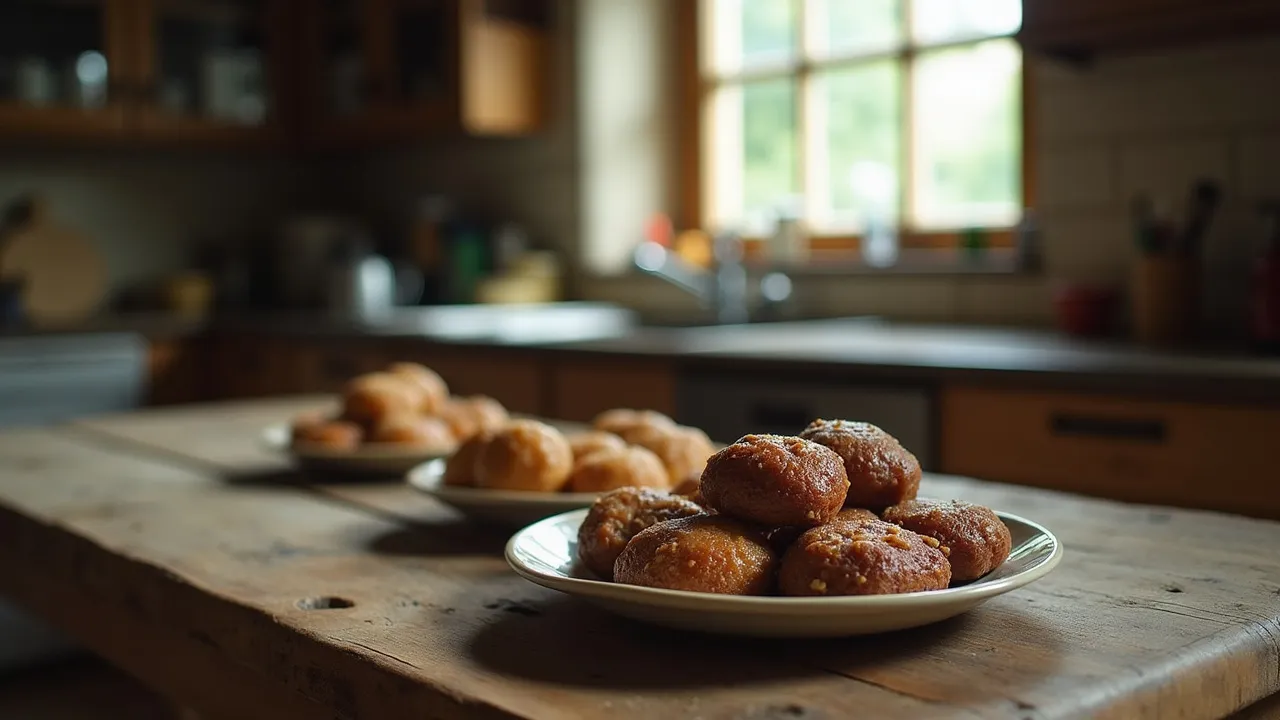
Observed annually on June 24th, National Pralines Day celebrates the rich, buttery pecan confection rooted in French and Creole traditions. Discover the history, variations, and delicious ways to honor this Southern staple.
The Historical Origins & Evolutionary Journey of National Pralines Day
National Pralines Day, observed each year on June 24th, honors a confection that bridges French aristocracy and Southern American ingenuity. The praline’s story begins in 17th-century France, where sugar-coated almonds were created by the chef of Marshal du Plessis-Praslin (hence the name). However, the praline we celebrate today—a creamy, pecan-laden patty—is a uniquely American adaptation born in the vibrant port city of New Orleans.
The Foundational Catalyst: From Almonds to Pecans
When French settlers arrived in Louisiana, they discovered abundant pecan trees, already a staple for Native American tribes. Unable to source European almonds, Creole cooks substituted native pecans and added cream and butter, transforming the dry French praline into a soft, melt-in-your-mouth candy. By the 19th century, praline shops lined the streets of the French Quarter, and vendors sold them from baskets at the French Market. The recipe was passed down through generations, with each family claiming the "authentic" version.
The Legislative/Official Adoption: How a Day Became National
Unlike many food holidays with clear founders, National Pralines Day emerged organically from regional pride and commercial interests. In the 1980s and 1990s, candy companies and tourism boards in Louisiana began promoting June 24th as a day to savor praline. While no official presidential proclamation exists, the date is recognized by major food holiday databases and celebrated across the United States, especially in the South.
Modern Global Legacy
Today, pralines are a symbol of New Orleans’ rich culinary heritage. Variations include chocolate-dipped pralines, spiced versions with cayenne, and even praline-flavored ice cream and coffee. National Pralines Day has expanded beyond the South, with enthusiasts sharing recipes online and hosting tasting parties. The day also supports local confectioners and highlights the cultural significance of Creole and Cajun cuisine.
How to Celebrate National Pralines Day
Whether you are a seasoned candy maker or a curious novice, National Pralines Day offers countless ways to indulge. Below are comprehensive strategies for individuals, schools, and organizations to mark June 24th with authenticity and joy.
For Individuals and Families
- Make Homemade Pralines: Follow a classic recipe using pecans, brown sugar, butter, cream, and vanilla. The key is cooking to the soft-ball stage (236°F).
- Host a Tasting Party: Gather different praline varieties—traditional, chocolate, spicy, or with coconut—and vote for the best.
- Visit a Local Candy Shop: Support small businesses in the French Quarter or your hometown's local confectioner.
For Schools and Educational Groups
- History Lesson: Teach students about the French-Creole origins of pralines.
- Cooking Demonstration: Show the science of sugar crystallization.
- Taste Test: Compare store-bought vs. homemade pralines.
For Organizations and Businesses
- Praline Gift Boxes: Distribute pralines to employees or clients.
- Social Media Campaign: Use the hashtag #NationalPralinesDay to share photos and recipes.
- Fundraiser: Sell pralines to support local food banks.
Celebration Dynamics Across Cultures
In the United States, the day is most prominent in the South, especially Louisiana, Texas, and Georgia. In France, pralines remain almond-based and are often used in pastries like tarte praline. In Belgium, praline refers to chocolate shells with soft centers—a completely different confection. To honor global diversity, consider exploring these international interpretations.
Global Variations of Pralines
While the American praline is iconic, the term "praline" describes different sweets around the world. Understanding these variations highlights the adaptability of this treat.
United States: Creamy Pecan Patties
Soft, buttery, and loaded with pecans. Usually brown sugar-based with a melt-in-your-mouth texture.
France: Almond Praline
Whole almonds coated in caramelized sugar, often crushed and used in cakes, ice creams, and pastries like praliné.
Belgium: Chocolate Praline
A hollow chocolate shell filled with ganache, nuts, or fruit purée. Highly refined and often called "Belgian pralines."
Mexico: Praline with Cajeta or Spices
Mexican pralines sometimes incorporate goat's milk caramel (cajeta) or chili powder for a sweet-spicy kick.
United Kingdom: Praline in Chocolates
Similar to Belgian style, praline fillings are common in premium chocolate assortments.
Why Regional Differences Matter
These variations reflect local ingredients and cultural preferences. On National Pralines Day, exploring these differences can be a delicious education.
The Art and Science of Praline Making
Creating the perfect praline is both an art and a science. Here we break down the technical process and common pitfalls.
Key Ingredients
- Pecans: Use fresh, high-quality halves. Toasted pecans enhance flavor.
- Sugar: Brown sugar gives the characteristic color and molasses undertone; white sugar can be used but alters texture.
- Butter: Unsalted butter for control over salt level.
- Cream: Heavy cream provides richness.
- Vanilla extract: For depth.
The Cooking Process
- Combine sugar, butter, and cream in a heavy saucepan.
- Heat over medium, stirring constantly until the mixture reaches 236°F (soft-ball stage).
- Remove from heat, stir in pecans and vanilla.
- Beat until mixture thickens and loses its sheen (about 2 minutes).
- Drop spoonfuls onto parchment paper and let cool.
Common Mistakes to Avoid
Grainy Texture: Caused by sugar crystals forming. Use a wooden spoon and avoid scraping sides. Too Hard/Soft: Improper temperature. Use a candy thermometer. Sticky Pralines: Humidity affects setting; avoid making on rainy days.
Mastering these steps ensures a batch worthy of National Pralines Day.
Economic and Cultural Impact of Pralines
Pralines are more than a sweet treat—they represent a significant part of Louisiana’s economy and cultural identity.
Economic Contribution
- Local Businesses: In New Orleans, praline shops are tourist magnets. Companies like Lavender Pralines and Aunt Sally’s have operated for decades.
- Pecan Industry: The US pecan crop is valued at over $500 million annually; praline production uses a notable share of high-grade pecans.
- Job Creation: From candy makers to retailers, praline production supports many workers.
Cultural Significance
Pralines are a symbol of Creole cuisine, a blend of French, Spanish, African, and Native American influences. They are often given as gifts during Mardi Gras and other festivals. National Pralines Day helps preserve this culinary heritage and introduces it to new generations.
Pralines in Popular Culture
Pralines appear in literature (e.g., Tennessee Williams’ plays), films set in New Orleans, and even as a flavor in praline-flavored coffees and liqueurs.
Nutritional Profile and Dietary Considerations
Pralines are indulgent, but understanding their nutritional content can help in moderation.
Typical Nutritional Values (per 1-ounce praline, ~2 pieces)
- Calories: 150-200
- Fat: 9-12g (mostly from pecans and butter)
- Sugar: 15-20g
- Protein: 1-2g
- Fiber: 1g
Healthful Variations
For those with dietary restrictions, alternatives exist:
- Vegan: Use coconut cream and vegan butter, and replace pecans with seeds if allergic.
- Low-Sugar: Substitute sugar with erythritol or allulose; note that texture will differ.
- Gluten-Free: Pralines are naturally gluten-free, but check for contamination in commercial products.
While not a health food, pralines can be enjoyed as an occasional treat.
Historical Timeline
French chef to Marshal du Plessis-Praslin creates the first praline: almonds coated in caramelized sugar.
French settlers in Louisiana substitute pecans for almonds and add cream, inventing the soft Creole praline.
Pralines become a staple at the French Market in New Orleans, sold by women known as 'praline ladies.'
Commercial production of pralines grows; brands like Aunt Sally's begin packaging pralines for tourists.
The National Confectioners Association reportedly includes National Pralines Day on its food holiday calendar, though exact date of origin remains unclear.
Internet recipes and social media popularize homemade praline making, expanding the day's reach beyond the South.
New Orleans celebrates its tricentennial year; praline shops see record sales on June 24th.
National Pralines Day trends on Twitter, with major brands and food bloggers participating.