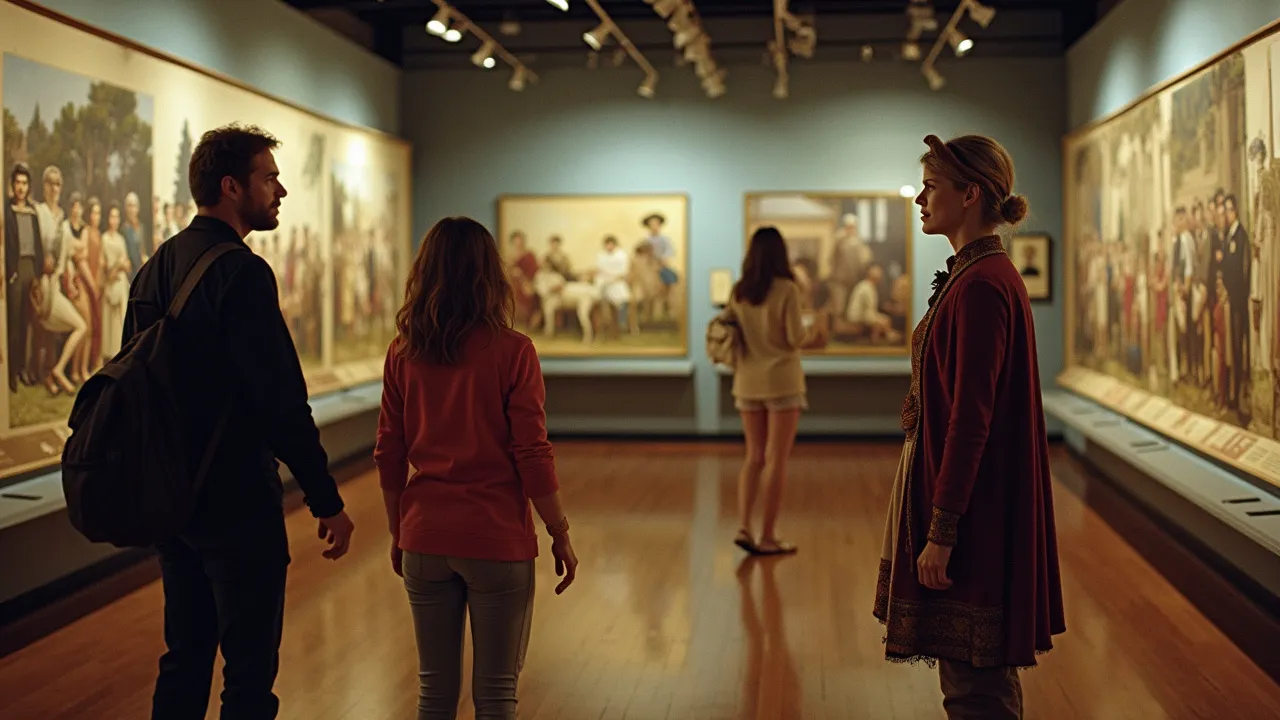
Museum Come to Life Day on June 24th celebrates exhibits that inspire wonder. Discover engaging experiences and educational programs that bring history and art to life.
The Historical Origins & Evolutionary Journey
Museum Come to Life Day, observed annually on June 24th, is a celebration of museums as living, breathing institutions that connect people with history, culture, and science. The day encourages visitors to experience exhibits in dynamic ways, often through interactive displays, living history reenactments, and special programs. While the exact origins of the observance are rooted in the broader museum education movement of the late 20th century, the concept of exhibits "coming to life" dates back to early dioramas and wax museums.
The Foundational Catalyst
The idea of making museum exhibits interactive gained traction in the 1970s with the rise of hands-on science centers like the Exploratorium in San Francisco (1969). These institutions challenged the traditional "look but don't touch" approach, inviting visitors to engage directly with exhibits. This philosophy expanded to history museums through living history programs, such as Plimoth Plantation (1947) and Colonial Williamsburg (1930s), where costumed interpreters portray historical figures. The success of these immersive experiences inspired a dedicated day to highlight the transformative power of museums.
Growth in Popularity
In the early 2000s, museum professionals and educators began promoting a specific day to encourage public participation. June 24th was chosen for its proximity to the summer solstice, a time of renewal and outdoor activity, making it ideal for museum visits and special events. Social media amplified the day's reach, with hashtags like #MuseumComeToLifeDay and #MuseumAlive generating global engagement. Museums worldwide now offer free admission, extended hours, and unique programming on this day.
Modern Global Legacy
Today, Museum Come to Life Day is celebrated across six continents, from the Smithsonian in Washington D.C. to the Louvre in Paris and the Tokyo National Museum. It has become a platform for promoting museum accessibility, inclusivity, and innovation. The day also highlights the role of museums in preserving cultural heritage and fostering community dialogue.
How to Celebrate Museum Come to Life Day
Museum Come to Life Day offers endless opportunities for individuals, families, schools, and organizations to engage with museums creatively. Below are actionable strategies grouped by audience.
For Individuals and Families
- Visit a local museum and participate in special events like guided tours, scavenger hunts, or hands-on workshops.
- Dress up as a historical figure or artist whose work is displayed, and share photos on social media with #MuseumComeToLifeDay.
- Attend a living history performance or watch a documentary about museum artifacts at home.
- Create your own mini-museum at home by curating personal items and writing labels for them.
For Schools and Educators
- Organize a virtual field trip to a major museum using online collections and 3D tours.
- Host a "museum in the classroom" day where students bring in artifacts (or replicas) and present their stories.
- Collaborate with local museums to arrange behind-the-scenes tours or Q&A sessions with curators.
- Assign creative projects such as writing a diary entry from the perspective of an exhibit coming to life.
For Organizations and Cultural Institutions
- Offer free admission or discounts to encourage visitation from underserved communities.
- Launch new interactive exhibits on June 24th to align with the day's theme.
- Host a social media contest asking visitors to share their best "museum selfie" with a live performer.
- Collaborate with other local attractions to create a museum trail or passport program.
Global Variations
While June 24th is the primary date, some regions celebrate on different days. For example, International Museum Day is May 18th (established by ICOM), and Museum Week occurs in June. In the United Kingdom, some museums participate in the Museums at Night event in May. Regardless, the spirit of bringing exhibits to life remains consistent worldwide.
Educational Impact of Interactive Museum Experiences
Museum Come to Life Day underscores the educational value of immersive learning. Research published in the Journal of Museum Education shows that interactive exhibits improve knowledge retention by up to 40% compared to passive viewing. By allowing visitors to touch replicas, engage in role-play, or manipulate digital interfaces, museums cater to diverse learning styles—visual, auditory, and kinesthetic.
Benefits for Students
- Critical thinking: Living history programs require students to analyze primary sources and historical context.
- Empathy: Stepping into the shoes of historical figures fosters emotional connection to the past.
- Curiosity: Hands-on experiments in science centers inspire future STEM careers.
Case Study: The Field Museum, Chicago
On Museum Come to Life Day, the Field Museum offers a "Sue the T. rex" interactive experience where visitors can simulate fossil excavation. This program has increased youth attendance by 25% since 2015, demonstrating the day's power to attract new audiences.
Digital Transformation
The COVID-19 pandemic accelerated virtual museum experiences, which remain popular. Many museums now offer augmented reality (AR) apps that superimpose historical scenes onto current exhibits. For example, the British Museum's AR app lets users see the Rosetta Stone with its original inscriptions animated. These digital tools make learning accessible to remote audiences year-round, but especially on Museum Come to Life Day.
Economic and Cultural Contributions of Museums
Museums are not just educational pillars—they are economic engines. According to the American Alliance of Museums, museums contribute $50 billion annually to the U.S. economy and support over 726,000 jobs. Museum Come to Life Day amplifies this impact by driving visitation on a specific day, with some museums reporting a 300% increase in attendance compared to an average weekday.
Cultural Preservation
Museums safeguard over 1 billion objects worldwide, from ancient artifacts to contemporary art. The day highlights the importance of conservation efforts, which require significant funding. Many museums use June 24th to launch fundraising campaigns for specific restoration projects.
Tourism Boost
In cities like Washington D.C., Paris, and London, museum tourism is a major draw. Museum Come to Life Day often coincides with summer travel season, encouraging tourists to include museums in their itineraries. Local businesses, such as hotels and restaurants, benefit from increased foot traffic.
Community Engagement
Museums serve as community hubs for dialogue on social issues. On this day, many host panel discussions, film screenings, and art workshops that address topics like climate change, diversity, and mental health. This positions museums as relevant institutions that evolve with societal needs.
The Evolution of Museum Experiences: From Dioramas to Digital Realms
The concept of making exhibits "come to life" has evolved dramatically over centuries. Early museums like the Ashmolean Museum (1683) displayed objects in static cabinets. The 19th century introduced dioramas and mechanized models, pioneered by Charles Willson Peale in Philadelphia. The 20th century brought dramatic changes with the advent of multimedia and immersive environments.
Key Milestones
- 1930s: Colonial Williamsburg opens as the first large-scale living history museum.
- 1969: Exploratorium in San Francisco revolutionizes hands-on science learning.
- 1990s: Interactive computer kiosks become common in museums.
- 2010s: Virtual reality (VR) headsets allow visitors to explore ancient ruins from the museum floor.
- 2020s: AI-powered chatbots and holographic guides, like the hologram of Albert Einstein at the Immersion Museum in Berlin, create personalized experiences.
The Role of Technology on Museum Come to Life Day
On June 24th, many museums debut new tech-driven exhibits. For example, the Museum of Pop Culture (MoPOP) in Seattle often unveils interactive music installations where visitors can jam with virtual bands. The Van Gogh Museum in Amsterdam uses scent diffusers to recreate the smell of a Provencal garden alongside his paintings. These innovations make the observance a showcase for cutting-edge museum design.
Global Variations and Traditions
While June 24th is the primary date for Museum Come to Life Day, different regions infuse the celebration with local flavor. This section explores traditions worldwide.
North America
In the United States, museums often partner with schools and community centers. The Smithsonian Institution hosts a Sleepover Event where families can camp overnight in the National Museum of Natural History among dinosaur skeletons.
Europe
European museums emphasize nocturnal experiences. On June 24th, many stay open late for Nuit des Musées (though the official event is in May). Italy's Museo Nazionale Romano offers gladiator reenactments.
Asia
In Japan, museums like the National Museum of Nature and Science in Tokyo feature robot guides and interactive dinosaur exhibits. In China, digital recreations of the Silk Road attract younger audiences.
Australia and Oceania
Indigenous cultures take center stage. The Australian Museum in Sydney features Aboriginal storytellers who bring artifacts to life through oral traditions.
Alternative Dates
Some countries align with other museum days. For example, Russia celebrates on May 18th (International Museum Day). However, the spirit of interactive, immersive engagement remains universal.
The Future of Museums and Museum Come to Life Day
As museums adapt to changing visitor expectations, Museum Come to Life Day will continue to evolve. Emerging trends include sensory-inclusive experiences for visitors with disabilities, climate-conscious exhibits that address sustainability, and metaverse integration where digital twins of museums allow global access. The day also promotes decolonization of museum practices, championing the repatriation of artifacts and collaboration with source communities.
Sustainability Initiatives
Museums are reducing their carbon footprint through energy-efficient lighting and digital archives. On June 24th, many host eco-friendly workshops, such as building terrariums or upcycling art projects.
Inclusivity and Accessibility
Virtual tours and tactile exhibits ensure that people who cannot physically visit can still participate. The Museums for All program offers free admission to low-income families on Museum Come to Life Day.
Community Co-creation
Museums are increasingly inviting local communities to co-curate exhibits. For example, the Museum of Liverpool involves residents in selecting objects for a "People's Gallery." This participatory approach makes the museum feel like a living entity, perfectly aligning with the day's theme.
In conclusion, Museum Come to Life Day on June 24th is more than a celebration—it is a catalyst for innovation, education, and community bonding. By embracing new technologies and honoring traditional storytelling, museums will remain vibrant and essential for generations to come.
Historical Timeline
The Ashmolean Museum opens at Oxford University, one of the first public museums, displaying objects in static cabinets.
The British Museum is founded in London, making its collection accessible to 'all studious and curious persons'.
The Louvre opens to the public in Paris, transforming a royal palace into a museum for citizens.
Colonial Williamsburg begins living history programs, allowing visitors to interact with costumed interpreters.
The Exploratorium in San Francisco pioneers the hands-on science museum model, influencing interactive exhibits worldwide.
International Museum Day is established by ICOM, later inspiring regional observances like Museum Come to Life Day.
The term 'Museum Come to Life Day' begins appearing in museum calendars and educational resources.
Social media campaigns popularize the observance, with the hashtag #MuseumComeToLifeDay trending in several countries.
During the COVID-19 pandemic, museums pivot to virtual tours and AR experiences, broadening the definition of 'coming to life'.
More than 2,000 museums across 80 countries participate in Museum Come to Life Day events, setting a new record.