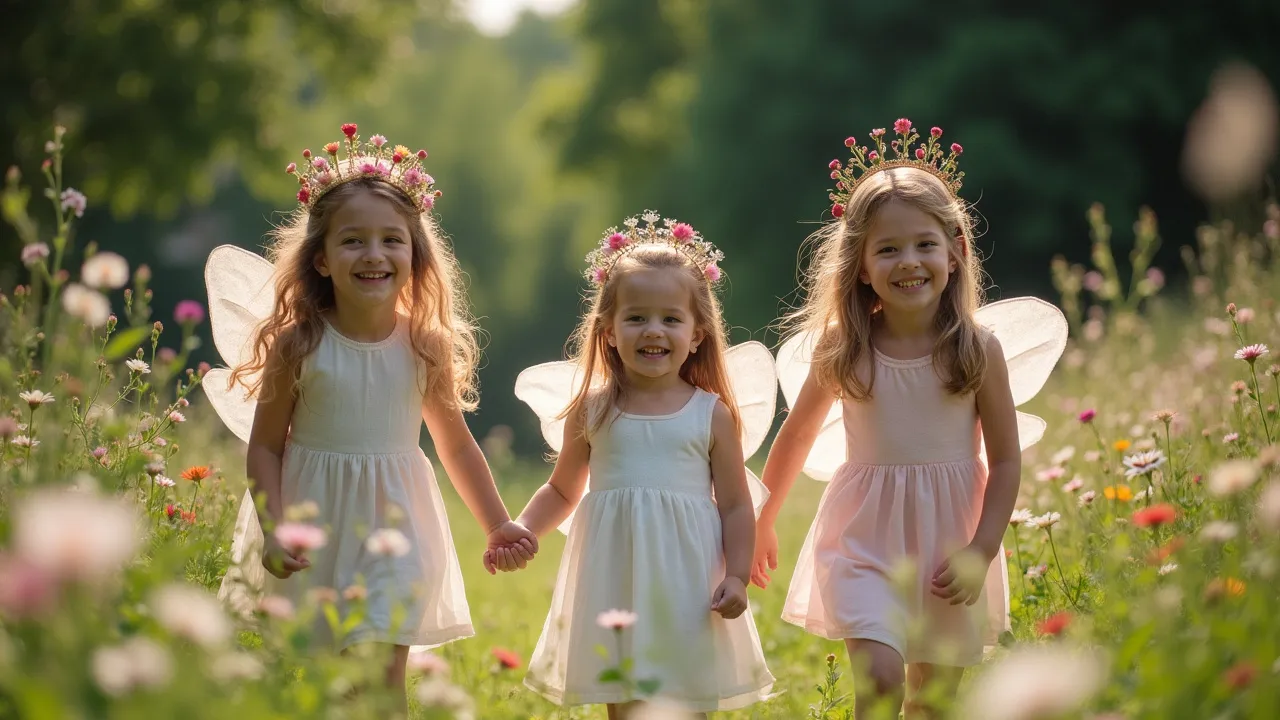
International Fairy Day, observed on June 24th, celebrates the enchanting world of fairies and folklore. Learn about its origins, how to celebrate, and the global fascination with these mythical beings.
The Historical Origins & Evolutionary Journey
International Fairy Day, observed annually on June 24th, has roots deep in the early 20th-century fascination with the supernatural. The day was established to honor the rich tradition of fairy lore and to encourage imaginative play.
The Foundational Catalyst
The Fairy Investigation Society (FIS), founded in 1927 by a group of prominent spiritualists and folklorists including Sir Arthur Conan Doyle, aimed to document and study fairy encounters. The society's work, inspired by the famous Cottingley Fairies photographs (1917), fueled public interest. In 1928, the FIS proposed a dedicated day to celebrate fairies, choosing the summer solstice period when fairy activity is traditionally believed to peak. June 24th, Midsummer Day, was selected for its folkloric association with fairy revelry.
The Legislative/Official Adoption
While never officially recognized by any government, International Fairy Day gained traction through grassroots efforts. The FIS published pamphlets and organized local events, gradually spreading across the UK and later to the United States and Australia. By the 1950s, the day was embraced by schools and community groups as a way to promote creativity and nature appreciation. The 1970s saw a resurgence with the environmental movement, linking fairies to nature conservation.
Modern Global Legacy
Today, International Fairy Day is celebrated worldwide with events like fairy garden workshops, costume parades, and storytelling sessions. The day has evolved to include digital celebrations on social media, with hashtags like #InternationalFairyDay. It serves as a reminder of the enduring power of folklore and the importance of wonder in our lives.
How to Celebrate International Fairy Day
Celebrating International Fairy Day is about embracing imagination and connection with nature. Here are comprehensive ways to observe the day, categorized by setting.
For Individuals and Families
- Create a fairy garden using small plants, pebbles, and miniature accessories.
- Dress up in fairy costumes and host a tea party outdoors.
- Read fairy tales or watch fairy-themed movies like Peter Pan or FernGully.
- Make DIY fairy wands or wings using craft supplies.
- Leave a 'fairy offering' (like a shiny coin or flower) in your garden.
For Schools and Communities
- Organize a fairy parade where children wear costumes and carry lanterns.
- Hold a storytelling session focused on fairy folklore from different cultures.
- Plant a school garden with flowers that attract butterflies and bees, considered 'fairy messengers'.
- Run a craft workshop to build fairy houses from natural materials.
Corporate and Organizational Rituals
- Encourage employees to wear fairy accessories for the day and have a themed potluck.
- Donate to environmental charities that protect forests and meadows, seen as fairy habitats.
- Host a 'fairy-themed' volunteering day, cleaning up local parks.
Different countries have unique traditions: In Ireland, people visit fairy forts; in Japan, they make origami fairy dolls; in Brazil, they perform dances inspired by Iara, a water fairy. Adapt celebrations to your local folklore for authenticity.
Global Cultural Significance of Fairies
Fairies appear in nearly every culture, serving as symbols of nature, magic, and moral lessons. International Fairy Day highlights this universal appeal.
European Traditions
Celtic folklore is rich with fairies like the sidhe (Irish mound dwellers) and pixies (English tricksters). Scandinavian huldra and nisse represent forest spirits. Slavic rusalki are water nymphs. These beings often teach respect for nature.
Asian Perspectives
In Japan, kitsune (fox spirits) and kodama (tree spirits) are akin to fairies. Chinese folklore features hua yao (flower spirits) and jing (nature spirits). Indian mythology includes apsaras (celestial nymphs) and yakshas (nature spirits).
African and Indigenous Americas
African traditions have aziza (beneficial spirits) in Dahomey, and tokoloshe (mischievous beings) in Zulu. Native American lore includes Pukwudgies (Wampanoag) and memegwesi (Anishinaabe water spirits). These entities often serve as guardians of natural resources.
International Fairy Day fosters cross-cultural understanding by celebrating these diverse interpretations, reminding us of our shared human need for mystery and enchantment.
Symbolism and Folklore: The Anatomy of Fairies
Fairies are not just whimsical beings; they carry deep symbolic meanings that have evolved over centuries.
Archetypes and Common Traits
- Size and Appearance: Fairies range from tiny, winged creatures to human-sized ethereal beings. Wings symbolize freedom and connection to the spiritual realm.
- Habitat: They are often associated with natural features like forests, rivers, and meadows. Fairy rings (circles of mushrooms) are believed to be fairy dance floors.
- Behavior: Fairies can be benevolent or malevolent. They are known to bestow blessings or play tricks on humans, reflecting the unpredictable power of nature.
Famous Fairy Characters in Literature
- Tinker Bell from J.M. Barrie's Peter Pan embodies the fierce, loyal fairy.
- The Sandman (European folklore) brings dreams.
- Tooth Fairy is a modern American creation, rewarding children for lost teeth.
These characters show how fairies adapt to cultural needs, from guiding children to explaining natural phenomena.
Modern Interpretations and Media Influences
In the 21st century, fairies have been reimagined across media, impacting International Fairy Day celebrations.
Film and Television
Movies like Maleficent (2014) humanize fairies, while Artemis Fowl (2020) portrays them as high-tech beings. Anime like Fairy Tail blends magic with adventure. These modern takes diversify fairy lore, making it relevant to new generations.
Video Games and Digital Art
Games such as The Legend of Zelda feature fairies as healers. Animal Crossing players design fairycore islands. Digital artists share fairy illustrations on platforms like DeviantArt, fueling a vibrant online community.
Influence on Celebration
International Fairy Day now includes virtual events: livestreamed fairy-themed crafting, online costume contests, and digital storytelling. Social media platforms host 'fairy filters' and AR experiences. This digital shift ensures the day's continued relevance.
Societal Impact and Community Building
International Fairy Day serves more than just entertainment; it builds communities and promotes positive values.
Encouraging Creativity and Imagination
Children and adults alike engage in imaginative play, which is crucial for cognitive development and mental health. Fairy-themed activities stimulate storytelling, art, and problem-solving.
Environmental Stewardship
Many celebrations involve gardening, nature walks, and clean-ups, fostering a connection to the environment. Fairies are often portrayed as guardians of nature, making the day an opportunity to discuss conservation.
Inclusivity and Belonging
Fairy lore is diverse, including beings from all cultures. Celebrating International Fairy Day allows people to share their heritage and learn about others. The day is especially meaningful for those who feel marginalised, offering a space where magic and wonder are welcomed.
Charities and mental health organisations have used the day to promote wellbeing. For example, the 'Fairy Project' in the UK donates fairy costumes to children's hospitals. These initiatives show how a whimsical day can have tangible social benefits.
Historical Timeline
The Cottingley Fairies photographs are taken by Elsie Wright and Frances Griffiths, sparking global interest in fairies.
The Fairy Investigation Society is founded by spiritualists and folklorists including Sir Arthur Conan Doyle.
The first International Fairy Day is celebrated on June 24th, organized by the Fairy Investigation Society.
International Fairy Day spreads to the United States, Australia, and other countries through school programs.
The environmental movement adopts International Fairy Day as a way to promote nature conservation.
The internet boosts global participation, with dedicated websites and online events.
Virtual celebrations become mainstream due to the COVID-19 pandemic, including livestreamed fairy storytelling and craft workshops.