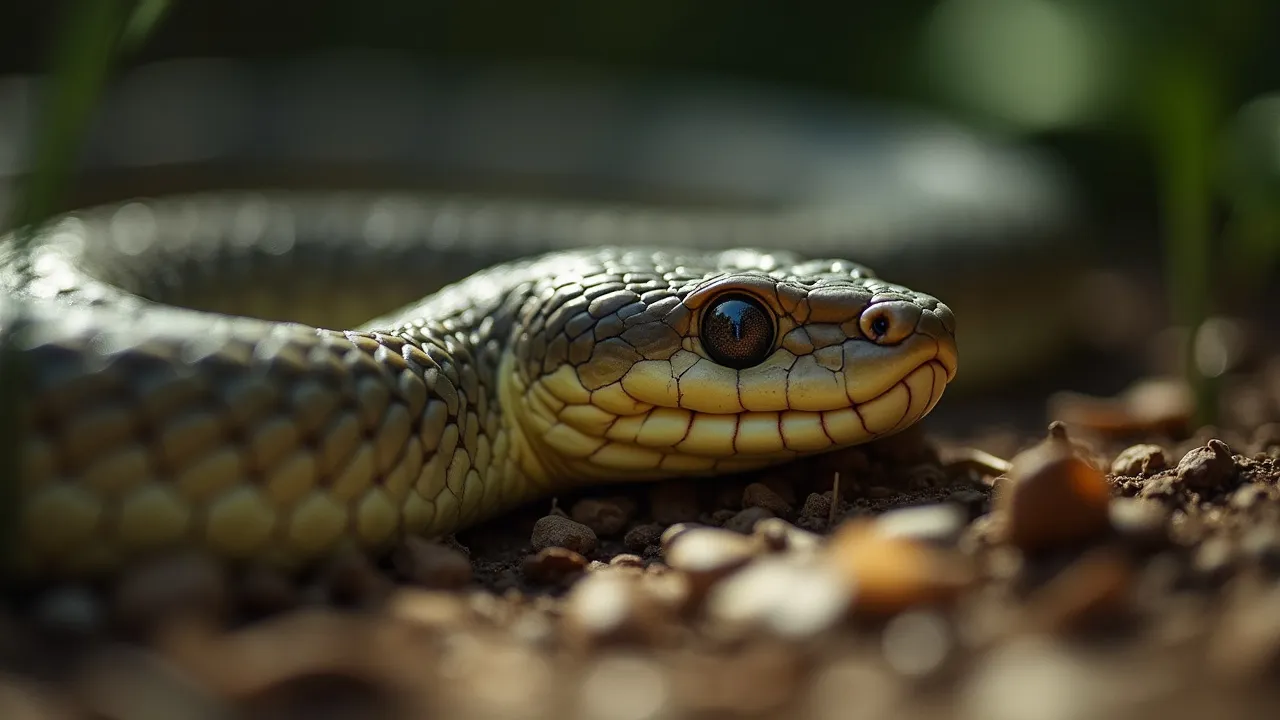
Celebrated on February 1st, Serpent Day honors the cultural, ecological, and mythological significance of snakes worldwide. Explore the history, symbolism, and conservation efforts surrounding these fascinating reptiles.
The Historical Origins & Evolutionary Journey
Serpent Day, observed annually on February 1st, emerged in 2015 as a grassroots initiative to counterbalance the pervasive negative stereotypes surrounding snakes. The date was strategically chosen to coincide with the post-hibernation emergence of snakes in temperate regions, symbolizing renewal and awakening. The day was spearheaded by herpetologists, conservationists, and cultural historians who recognized the need for global awareness about the ecological importance of snakes.
The Foundational Catalyst
The idea for Serpent Day originated from a symposium on reptile conservation held in Colombo, Sri Lanka, in 2014. Experts noted that snakes are among the most misunderstood creatures, often killed out of fear despite their vital role in controlling rodent populations and maintaining ecosystem balance. A working group led by Dr. Rajiv Silva, a renowned herpetologist, proposed an annual observance to promote education and dispel myths. The proposal gained traction through social media campaigns and partnerships with wildlife NGOs.
The Legislative/Official Adoption
While not officially recognized by the United Nations, Serpent Day was adopted by several national wildlife agencies and conservation organizations. In 2016, the International Union for Conservation of Nature (IUCN) endorsed the day as part of its reptile conservation outreach. Local governments in snake-diverse regions like India, Brazil, and Australia issued proclamations encouraging schools and communities to participate in awareness programs. The observance also gained traction in zoological parks and herpetology societies worldwide.
Modern Global Legacy
Today, Serpent Day is celebrated on every continent except Antarctica, with events ranging from snake handling workshops in Africa to digital campaigns in North America. The day has become a platform for debunking myths, supporting anti-venom research, and advocating for snakebite prevention. Social media hashtags like #SerpentDay and #SnakeAwareness trend annually, amplifying the message worldwide.
How to Celebrate Serpent Day
Serpent Day offers a multitude of ways to engage with these enigmatic reptiles, whether you're a seasoned herpetologist or a curious novice. The key is to approach the day with respect, curiosity, and a commitment to learning. Below are actionable strategies for individuals, schools, and organizations.
Celebration Strategies for Individuals
- Educate Yourself: Read books or watch documentaries about snakes. Recommended resources include 'The Snake: A Natural History' and David Attenborough's 'Life in Cold Blood'.
- Visit a Local Zoo or Reptile Sanctuary: Observe snakes in a safe, educational environment. Many facilities offer special Serpent Day tours or talks.
- Support Conservation: Donate to organizations like Save The Snakes or the IUCN Snake Specialist Group. Adopt a snake symbolically through wildlife funds.
- Myth-Busting Social Media Posts: Share accurate information about snake behavior, dispelling common myths (e.g., snakes are aggressive or suck milk). Use #SerpentDay.
- Snake-Proof Your Property: Learn how to coexist with snakes by clearing debris, sealing gaps, and avoiding chemical pesticides that harm prey species.
School and Community Activities
- Classroom Presentations: Host a herpetologist or use digital resources to teach students about snake anatomy, diet, and habitats.
- Art and Essay Contests: Encourage creative expression with themes like 'Snakes in My Culture' or 'Why Snakes Matter'.
- Nature Walks: Organize guided hikes in snake-friendly areas (under expert supervision) to observe snakes in the wild.
- Film Screenings: Show documentaries or movies that portray snakes accurately, followed by discussion.
Corporate and Organizational Rituals
- Employee Education Seminars: Invite experts to talk about snakebite first aid and workplace safety in snake-prone regions.
- Volunteer Days: Partner with local conservation groups for habitat restoration or snake rescue training.
- Fundraising Drives: Collect funds for anti-venom production or snakebite awareness campaigns in rural areas.
Cultural Symbolism of Serpents Across Civilizations
Snakes have slithered through human mythology, religion, and folklore for millennia, embodying dualities of creation and destruction, wisdom and temptation. Serpent Day provides an opportunity to explore these rich symbolic meanings.
Ancient Mythologies
In Egyptian mythology, the cobra goddess Wadjet was a protector of pharaohs and the personification of Lower Egypt. The ouroboros (a serpent eating its own tail) symbolized eternity and the cycle of life in alchemical traditions. In Hinduism, the serpent Shesha holds the cosmos on its hood, while the god Shiva wears a cobra as a necklace. The Aztec god Quetzalcoatl (feathered serpent) represented wind, knowledge, and creation.
Religious Perspectives
In Christianity, the serpent is often cast as the tempter in Eden, but also appears as a symbol of healing in the form of the Nehushtan (a bronze serpent raised by Moses). In Buddhism, the naga (serpent) is a guardian of the Dharma and often depicted protecting the Buddha. Indigenous cultures in Australia and the Americas view the Rainbow Serpent as a creator being, associated with water and fertility.
Modern Symbolism
Today, snakes are emblems of transformation (shedding skin), medicine (the Rod of Asclepius), and danger (the skull-and-crossbones). Serpent Day encourages a nuanced appreciation of these symbols beyond the simplistic 'good vs. evil' dichotomy.
Ecological Importance of Snakes
Snakes are keystone species that regulate ecosystems by controlling prey populations and serving as food for larger predators. Serpent Day highlights their irreplaceable ecological roles.
Rodent Control
A single rat snake can consume dozens of rodents per year, reducing crop damage and disease transmission. Studies show that areas with healthy snake populations have lower incidences of rodent-borne illnesses like hantavirus and leptospirosis.
Prey-Predator Dynamics
Snakes are both predator and prey. They help maintain balance by eating insects, amphibians, and other reptiles, while also being hunted by birds of prey, mammals, and larger reptiles. This web of interactions stabilizes food chains.
Seed Dispersers
Some fruit-eating snakes, like the green tree python, play a role in seed dispersal through their droppings. This aids forest regeneration.
Indicator Species
Snake populations are sensitive to environmental changes, making them valuable indicators of habitat health. Declines in snake numbers often signal broader ecological degradation.
Conservation Challenges and Efforts
Despite their importance, snakes face numerous threats. Serpent Day mobilizes action to protect them.
Major Threats
Habitat Loss: Deforestation, urbanization, and agriculture destroy snake habitats.
Persecution: Fear and misunderstanding lead to deliberate killing; millions of snakes are killed annually worldwide.
Illegal Wildlife Trade: Snakes are poached for their skins, meat, and the pet trade. Some species are endangered due to overharvesting.
Climate Change: Altered temperatures affect snake behavior, reproduction, and distribution.
Road Mortality: Snakes are frequently killed on roads, especially during migrations.
Conservation Initiatives
Organizations like Save The Snakes, IUCN Snake Specialist Group, and Project Serpent work on research, education, and policy. Key strategies include:
Habitat Protection: Establishing wildlife corridors and protected areas.
Community Education: Training villagers in snake identification and safe handling to reduce conflict.
Anti-Venom Development: Improving access to effective snakebite treatments.
Legislation: Strengthening laws against trafficking and promoting sustainable trade.
Snakebite: A Global Health Issue
Snakebites cause over 100,000 deaths annually, mostly in rural tropics. Serpent Day addresses this neglected tropical disease.
Epidemiology
The highest burden is in Sub-Saharan Africa, South Asia, and Southeast Asia. Farmers, children, and outdoor workers are most at risk. The WHO lists snakebite envenoming as a Category A neglected tropical disease.
Prevention and First Aid
- Avoidance: Wear boots and long pants in snake-prone areas. Use a torch at night. Do not attempt to handle or provoke snakes.
- First Aid: Keep the victim calm and still. Immobilize the bitten limb at heart level. Do not cut the wound, apply tourniquets, or suck venom. Get to a hospital immediately.
Anti-Venom Access
Many regions lack affordable, effective anti-venoms. Serpent Day campaigns fund mobile clinics and train health workers. Innovations like lyophilized antivenoms and next-generation therapies are improving outcomes.
Historical Timeline
Symposium on reptile conservation in Colombo, Sri Lanka, proposes an annual day to promote snake awareness.
First official Serpent Day celebrated on February 1st, launched via social media and NGO partnerships.
IUCN endorses Serpent Day as part of reptile conservation outreach. Several countries issue proclamations.
Global social media campaign #SerpentDay trends on Twitter and Instagram, reaching millions.
World Health Organization recognizes snakebite envenoming as a neglected tropical disease, aligning with Serpent Day goals.
First Serpent Day Conservation Summit held virtually, attracting over 500 participants from 60 countries.
Serpent Day partners with Google Doodle to feature snakes on the homepage, driving unprecedented awareness.