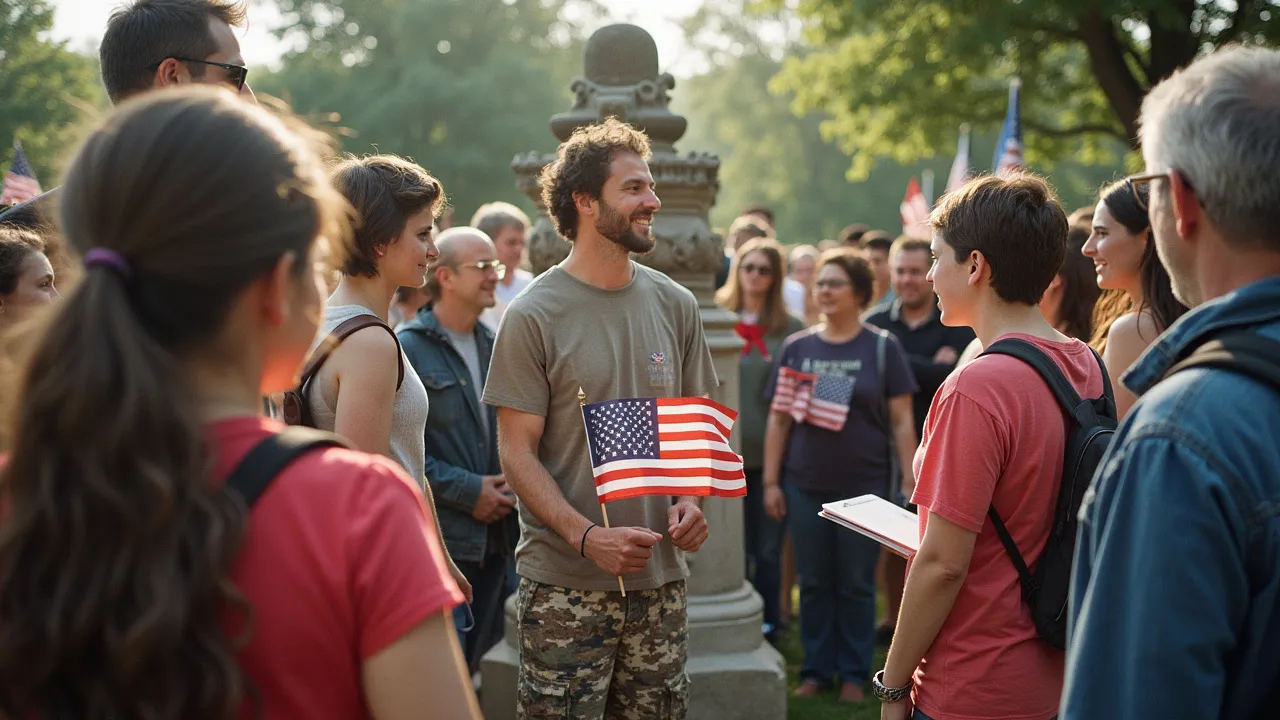
National Freedom Day, observed on February 1st, commemorates the signing of the 13th Amendment abolishing slavery in the U.S. Founded by Major Richard Robert Wright Sr., it honors the enduring fight for freedom and equality for all.
The Historical Origins & Evolutionary Journey
National Freedom Day, observed annually on February 1st, stands as a powerful tribute to the abolition of slavery in the United States. This day marks the signing of the 13th Amendment by President Abraham Lincoln in 1865, a pivotal moment that legally ended chattel slavery. The holiday was first conceived by Major Richard Robert Wright Sr., a former slave turned prominent educator and civil rights advocate, who envisioned a day to honor freedom and promote racial harmony.
The Foundational Catalyst: The 13th Amendment
The 13th Amendment to the U.S. Constitution, passed by Congress on January 31, 1865, and ratified on December 6, 1865, declared that "Neither slavery nor involuntary servitude, except as a punishment for crime whereof the party shall have been duly convicted, shall exist within the United States." President Lincoln signed the joint resolution on February 1, 1865, which is why this date holds special significance. The amendment represented the culmination of decades of struggle by abolitionists, enslaved people, and political leaders. It fundamentally reshaped American society, though the fight for true equality continued long after.
The Vision of Major Richard Robert Wright Sr.
Major Richard Robert Wright Sr. (1855–1947) was born into slavery in Georgia but rose to become a respected educator, banker, and civil rights leader. He founded the National Freedom Day Association in 1942, choosing February 1st to commemorate the signing of the 13th Amendment. Wright tirelessly lobbied state and federal officials to recognize the day. His efforts included organizing celebrations in Philadelphia, where he lived, and urging Congress to establish a national observance. Wright's vision extended beyond mere commemoration; he saw National Freedom Day as a call to action for racial justice and unity.
Legislative Adoption and National Recognition
Wright's campaign gained momentum after his death. In 1947, Congress introduced a joint resolution to make February 1st National Freedom Day. President Harry S. Truman signed the resolution into law on June 30, 1948, officially proclaiming February 1st as National Freedom Day. Truman's proclamation encouraged Americans to observe the day with appropriate ceremonies and activities. Since then, each president has issued a proclamation reaffirming the observance. Despite its official status, National Freedom Day is not a federal holiday; it remains a commemorative day of reflection and education.
Modern Global Legacy and Ongoing Struggle
While National Freedom Day is primarily an American observance, its themes of emancipation and human rights resonate globally. The day has inspired similar commemorations in other countries, such as Emancipation Day in the Caribbean and Slavery Abolition Day in various nations. In the United States, National Freedom Day has been linked to broader civil rights movements, including the struggle against segregation and systemic racism. Modern celebrations often include educational programs, community service, and discussions on racial equality. The day serves as a reminder that freedom is an ongoing pursuit requiring vigilance and action.
How to Celebrate National Freedom Day
National Freedom Day offers a meaningful opportunity to honor the legacy of the 13th Amendment and reflect on the continued journey toward equality. Observances can range from personal reflection to community engagement. Below are comprehensive strategies for individuals, schools, and organizations to celebrate this important day.
Individual Observance
- Educate Yourself: Read about the 13th Amendment, the Reconstruction era, and the lives of African Americans after emancipation. Explore primary documents like the Emancipation Proclamation and the writings of Frederick Douglass.
- Reflect on Freedom: Write in a journal about what freedom means to you and how you can contribute to a more just society.
- Support Black-Owned Businesses: Use this day to economically empower communities historically affected by slavery.
- Participate in Local Events: Attend ceremonies, lectures, or cultural performances organized in your community.
School and Educational Activities
- Classroom Discussions: Teachers can facilitate lessons on the history of slavery, the abolitionist movement, and the Civil Rights era. Use age-appropriate materials and encourage critical thinking.
- Art Projects: Students can create posters or artwork depicting themes of freedom and justice. Display them in the school or community.
- Essay Contests: Organize writing contests on topics like "What does freedom mean to me?" or "The importance of the 13th Amendment today."
- Field Trips: Visit local museums, historical sites, or monuments related to African American history, such as the National Museum of African American History and Culture.
Organizational and Corporate Celebrations
- Guest Speakers: Invite historians, civil rights leaders, or community activists to speak about the significance of National Freedom Day.
- Volunteer Initiatives: Organize volunteer projects that address social justice issues, such as tutoring, food drives, or supporting organizations fighting modern slavery.
- Diversity and Inclusion Workshops: Use the day to launch or reinforce company diversity programs and educate employees about the history of racial inequality.
- Proclamation Readings: Read the presidential proclamation aloud during a company meeting or public event.
Global Variations and Traditions
Although National Freedom Day is uniquely American, similar observances occur worldwide. In the United Kingdom, August 1st marks Slavery Abolition Day. In Brazil, November 20th is Black Consciousness Day. In Canada, August 1st is Emancipation Day. While dates differ, the core message of freedom and human dignity unites these commemorations. Participating in or learning about these international observances can deepen one's understanding of the global struggle for freedom.
The Significance of the 13th Amendment in American History
The 13th Amendment is arguably one of the most transformative legal documents in U.S. history. Its passage not only ended centuries of institutionalized slavery but also laid the groundwork for subsequent civil rights advancements. Understanding its impact is essential to appreciating National Freedom Day.
Constitutional and Legal Impact
The 13th Amendment was the first of three Reconstruction Amendments. It fundamentally altered the Constitution by abolishing slavery and involuntary servitude. However, its exception clause—"except as a punishment for crime whereof the party shall have been duly convicted"—later allowed for systems of forced labor in prisons, a loophole that disproportionately affected African Americans. This clause has been a source of controversy and ongoing legal challenges.
Social and Economic Transformation
The end of slavery disrupted the Southern plantation economy and forced a reimagining of labor relations. Formerly enslaved people sought education, land ownership, and political participation. The Freedmen's Bureau assisted in establishing schools and negotiating labor contracts. Yet, the promise of Reconstruction was quickly undermined by Black Codes, Jim Crow laws, and violent suppression, delaying true freedom for generations.
Connection to Later Movements
The 13th Amendment provided a constitutional foundation for the Civil Rights Movement of the 1950s and 1960s. Leaders like Martin Luther King Jr. invoked the amendment to demand full citizenship rights. The amendment also influenced international human rights frameworks, including the Universal Declaration of Human Rights. National Freedom Day serves as an annual reminder of this legacy and the unfinished work of achieving racial justice.
National Freedom Day and The Civil Rights Movement
National Freedom Day has often intersected with broader civil rights struggles. While the day commemorates the abolition of slavery, it has been used as a platform to call for continued progress toward racial equality.
Early Civil Rights Advocacy
Major Wright himself was a pioneering civil rights figure. He founded the National Freedom Day Association alongside other activists, using the day to advocate for anti-lynching laws, voting rights, and educational access. The day became a rallying point for organizations like the NAACP.
The Modern Civil Rights Era
During the 1950s and 1960s, National Freedom Day observances often included speeches by civil rights leaders. For example, in 1957, Martin Luther King Jr. delivered remarks linking the 13th Amendment to the ongoing Montgomery Bus Boycott. The day also saw protests against segregation in schools and public facilities. In some cities, it became a day of community organizing and voter registration drives.
Contemporary Relevance
Today, National Freedom Day is observed alongside other freedom-themed commemorations like Juneteenth (June 19th) and Black History Month (February). Many activists use the day to highlight issues such as mass incarceration, police brutality, and economic inequality. The day serves as a reminder that freedom is not a static achievement but an ongoing struggle requiring vigilance and activism.
Global Perspectives on Emancipation and Freedom Days
While National Freedom Day is uniquely American, the abolition of slavery is commemorated worldwide on various dates. Comparing these observances reveals common themes of liberation, resilience, and cultural pride.
Emancipation Day in the Caribbean
Many Caribbean nations celebrate Emancipation Day on August 1st, marking the abolition of slavery in the British Empire in 1834. Events include street parades, cultural performances, and religious services. Countries like Jamaica, Trinidad and Tobago, and Barbados hold official ceremonies.
Slavery Abolition Day in France and UK
France commemorates the abolition of slavery on May 10th (National Day of Remembrance of the Slave Trade and its Abolition). The UK observes Slavery Abolition Day on August 1st. Both focus on education and reflection.
Other Notable Dates
- Brazil: November 20th (Black Consciousness Day) honors Zumbi dos Palmares, a leader of resistance against slavery.
- Canada: August 1st (Emancipation Day) was officially recognized in 2021.
- Mexico: September 16th is Independence Day, but slavery was abolished earlier in 1829.
National Freedom Day can be enriched by exploring these global parallels, fostering a broader understanding of the fight for human rights.
The Continuing Relevance of National Freedom Day in Modern Society
In an era of renewed debates about systemic racism and social justice, National Freedom Day remains profoundly relevant. The day challenges Americans to confront the unfinished business of the 13th Amendment and recommit to the ideals of liberty and justice for all.
Addressing Systemic Inequality
Despite legal emancipation, racial disparities persist in education, healthcare, housing, and criminal justice. National Freedom Day provides an opportunity to discuss these issues and advocate for policy changes. Many organizations use the day to launch campaigns against modern forms of slavery, such as human trafficking.
Educational Initiatives
Schools and universities increasingly incorporate National Freedom Day into their curricula. Students learn about the history of slavery and its lasting impact. Interactive activities, such as virtual museum tours and panel discussions, make the observance engaging for younger generations.
Community Building
National Freedom Day also serves as a day of unity. Interfaith services, community meals, and collaborative art projects bring diverse groups together. These events foster dialogue and mutual understanding, reinforcing the idea that freedom is a collective responsibility.
Conclusion
National Freedom Day is more than a historical footnote; it is a living observance that calls us to action. As we honor the past, we must also work toward a future where freedom and equality are truly universal. By celebrating this day, we keep alive the spirit of the 13th Amendment and the enduring human quest for liberation.
Historical Timeline
President Abraham Lincoln signs the joint resolution that becomes the 13th Amendment on February 1st, paving the way for the abolition of slavery.
The 13th Amendment is ratified on December 6th, officially ending chattel slavery in the United States.
Major Richard Robert Wright Sr. founds the National Freedom Day Association and organizes the first local observance of National Freedom Day in Philadelphia.
Congress introduces a joint resolution to establish February 1st as National Freedom Day, building on Wright's advocacy.
President Harry S. Truman signs the law on June 30th, officially proclaiming February 1st as National Freedom Day.
The first official National Freedom Day is celebrated nationally, with ceremonies across the country.
National Freedom Day observances coincide with the Civil Rights Act debate, linking the 13th Amendment to modern civil rights legislation.
The National Freedom Day Association continues to promote the day, encouraging schools and communities to organize educational activities.