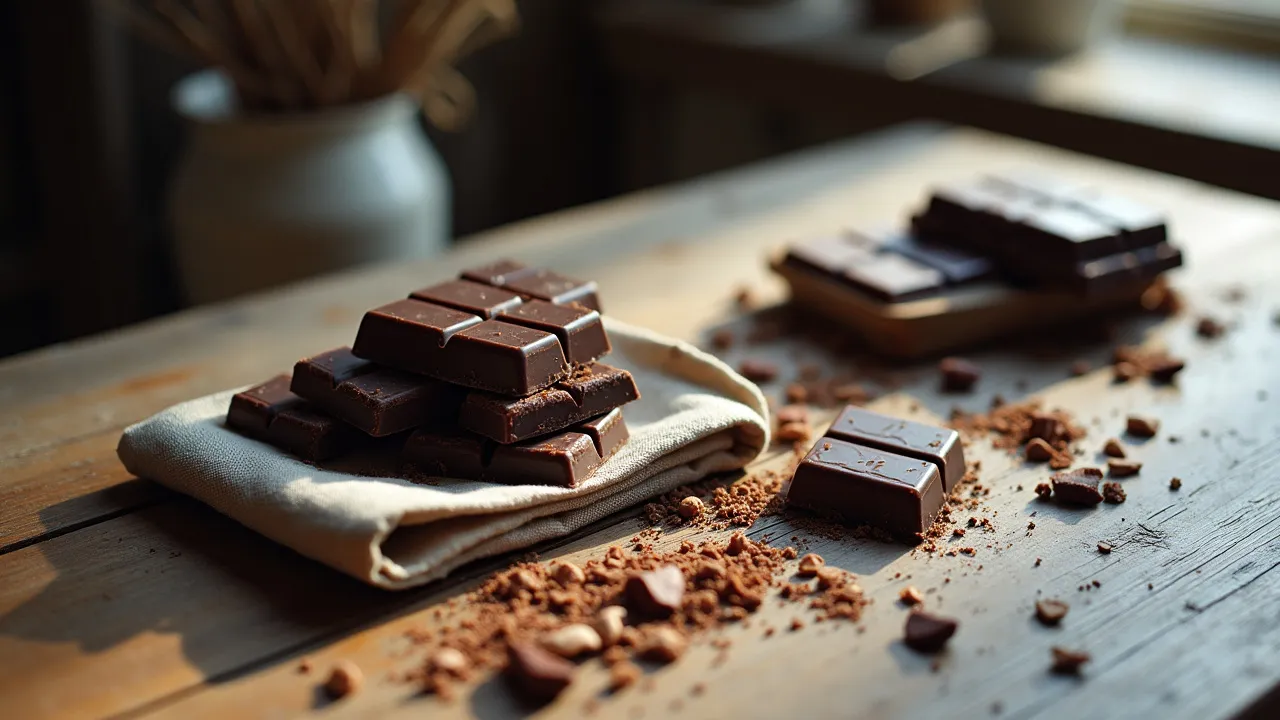
Celebrate National Dark Chocolate Day on February 1st! Dive into the rich history, discover health benefits, and explore global traditions of this beloved sweet treat. Learn how to celebrate with recipes and pairings.
The Historical Origins & Evolutionary Journey
National Dark Chocolate Day, observed annually on February 1st, is a celebration of one of the world's most cherished confections. But the story of dark chocolate begins thousands of years before this modern observance.
The Foundational Catalyst: Ancient Mesoamerica
The cacao tree (Theobroma cacao) was first domesticated by the Olmecs in present-day Mexico around 1500 BCE. The Maya and Aztecs later cultivated cacao, grinding the beans into a bitter, frothy beverage called xocolātl—often mixed with chili, vanilla, and honey. Cacao beans were so valuable they were used as currency. The Aztec emperor Montezuma II reputedly consumed large quantities of cacao for its energizing properties.
The Legislative/Official Adoption: Chocolate Arrives in Europe
Spanish conquistadors introduced cacao to Europe in the 16th century. The drink was sweetened with sugar and became a luxury among the aristocracy. In 1828, Dutch chemist Coenraad Van Houten invented the cocoa press, which separated cocoa butter from solids, creating cocoa powder and eventually solid chocolate. Joseph Fry molded the first dark chocolate bar in 1847, and Daniel Peter added milk to create milk chocolate in 1875. Dark chocolate remained the dominant form until milk chocolate's popularity surged. The modern push for dark chocolate's renaissance began in the late 20th century as health studies highlighted its antioxidant-rich properties. National Dark Chocolate Day itself emerged in the early 2000s as a consumer-driven celebration, promoted by chocolate brands and enthusiasts, though no single founder is officially recorded.
Modern Global Legacy
Today, February 1st serves as a rallying point for chocolate lovers worldwide. The day encourages exploration of artisanal single-origin dark chocolates, pairing with wine or coffee, and appreciating the craft of bean-to-bar producers. The holiday also spotlights ethical harvesting practices and sustainability in cacao farming.
How to Celebrate National Dark Chocolate Day
National Dark Chocolate Day offers endless possibilities for indulgence and education. Whether you're a casual fan or a connoisseur, here are expert-recommended ways to honor February 1st.
For Individuals and Families
- Host a tasting party: Select 5-8 dark chocolate bars with varying cocoa percentages (70%-90%) and origins (e.g., Madagascar, Ecuador, Ghana). Provide tasting notes for flavor profiles like fruity, nutty, or earthy.
- Bake with dark chocolate: Try flourless chocolate cake, chocolate chunk cookies, or dark chocolate lava cakes. Use at least 70% cacao for authentic deep flavor.
- Pair with complementary foods: Dark chocolate pairs beautifully with red wine (e.g., Cabernet Sauvignon), coffee, aged cheese, and berries. Research food pairings online and curated tasting boards.
- Learn about cacao origins: Watch documentaries like The Chocolate War or visit local chocolate shops that source ethically certified beans.
For Schools and Organizations
- Educational workshops: Organize a session on the history of chocolate, from bean to bar. Include a hands-on chocolate tempering demo.
- Fundraising events: Sell dark chocolate packages with proceeds going to cacao farmer cooperatives or fair-trade initiatives.
- Social media challenges: Encourage participants to share their best dark chocolate recipes or creative photos using #NationalDarkChocolateDay.
Global Traditions
In the United States, February 1st is marked by chocolate sales, social media campaigns, and community tastings. In Switzerland, known for high-quality dark chocolate, small producers hold open houses. In Mexico, traditional cacao drinks are recreated. In Ghana, a major cacao producer, the day focuses on farmer appreciation and sustainable farming practices.
Health Benefits of Dark Chocolate
Nutritional Profile
Dark chocolate (70-85% cacao) is rich in antioxidants, particularly flavonoids, which can help reduce inflammation and improve heart health. A 1-ounce serving provides iron, magnesium, copper, and manganese. The cocoa butter in dark chocolate contains healthy fats (stearic acid) that do not raise LDL cholesterol.
Scientific Evidence
- Heart health: Studies suggest that moderate consumption (around 1 ounce per day) may lower blood pressure, improve blood flow, and reduce the risk of heart disease.
- Brain function: Flavonoids in dark chocolate can increase blood flow to the brain, potentially boosting cognition and memory.
- Mood improvement: Dark chocolate contains compounds that stimulate the production of endorphins and serotonin, leading to feelings of pleasure and reduced stress.
Important Considerations
Choose dark chocolate with minimal added sugar and avoid alkalized (Dutch-processed) cocoa, which reduces flavonoid content. Always consume in moderation to avoid excess calories and caffeine.
Global Dark Chocolate Traditions
While National Dark Chocolate Day is primarily an American observance, dark chocolate enjoys worldwide appreciation with unique local traditions.
Europe
In Belgium and Switzerland, dark chocolate pralines are a staple. Artisans create filled chocolates with ganache or fruit purees. In Italy, dark chocolate is used in desserts like gelato and torta caprese. In France, high-cacao bars are often enjoyed with coffee after dinner.
Latin America
In Mexico and Central America, traditional cacao beverages remain popular, often spiced with cinnamon and chili. Some regions host cacao ceremonies that honor ancient rituals.
Africa
West African nations like Côte d'Ivoire and Ghana produce most of the world's cacao. Local consumption of dark chocolate is lower due to its expense, but fair-trade initiatives are expanding access. Community celebrations often feature roasted cacao nuts.
Asia
Japan and South Korea have embraced premium dark chocolate as a luxury gift. Seasonal releases featuring matcha or yuzu-infused dark chocolate are popular.
The Economic Impact of Dark Chocolate
Market Size and Growth
The global dark chocolate market was valued at over USD 60 billion in 2024 and is projected to grow due to rising health consciousness and premiumization. North America and Europe dominate demand, while Asia-Pacific shows the fastest growth.
Supply Chain Challenges
Cacao farming faces issues like deforestation, child labor, and price volatility. Certification schemes (Fair Trade, Rainforest Alliance) aim to improve farmer livelihoods. Single-origin and bean-to-bar movements promote transparency and sustainability.
Consumer Trends
Shoppers increasingly seek organic, low-sugar, and ethically sourced dark chocolate. Dark chocolate with added functional ingredients—like probiotics or adaptogens—is an emerging niche.
The Future of Dark Chocolate
As climate change threatens cacao production in West Africa, researchers are working on developing more resilient cacao varieties and expanding cultivation to new regions. Cultured cocoa grown in labs may also emerge. Additionally, the demand for high-quality dark chocolate continues to drive innovation in flavor pairings (e.g., sea salt, smoky notes) and sustainable packaging. National Dark Chocolate Day will likely evolve to include more virtual tastings and educational initiatives promoting ethical consumption.
Historical Timeline
Olmecs in Mesoamerica domesticate the cacao tree and begin using cacao beans for beverages.
Maya civilization cultivates cacao and uses beans as currency; they prepare a bitter chocolate drink called 'xocolātl'.
Dutch chemist Coenraad Van Houten patents the cocoa press, making cocoa powder and solid chocolate possible.
Joseph Fry & Sons creates the first modern dark chocolate bar by mixing cocoa powder, cocoa butter, and sugar.
Daniel Peter invents milk chocolate by adding powdered milk to dark chocolate, shifting consumer preferences.
National Dark Chocolate Day begins to be celebrated on February 1st as a grassroots appreciation day, later promoted by chocolate brands and food blogs.