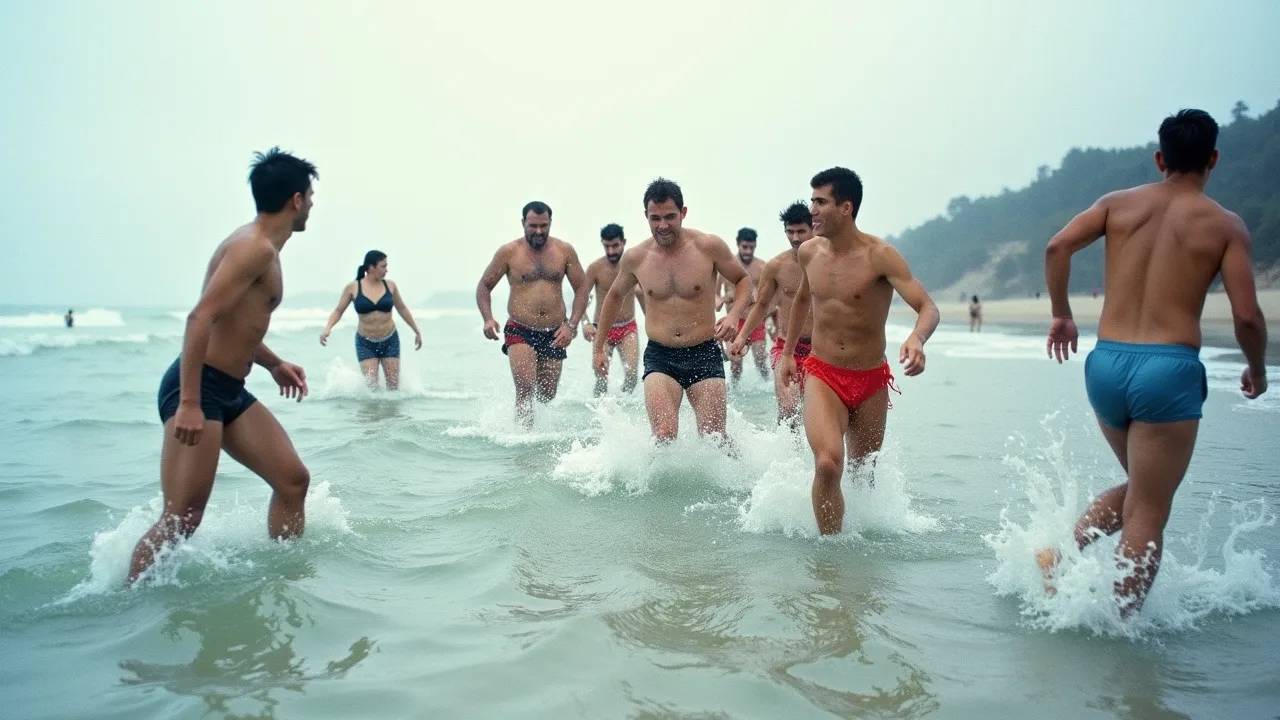
Polar Bear Plunge Day, observed annually on January 1st, invites brave souls to dive into freezing cold water to celebrate the new year. This invigorating tradition dates back over a century and is practiced worldwide for charity, health, and pure exhilaration.
The Historical Origins & Evolutionary Journey
Polar Bear Plunge Day traces its roots to the early 20th century, when a small group of cold-water enthusiasts in Coney Island, New York, began the tradition of taking a New Year's Day swim in the Atlantic Ocean. The Coney Island Polar Bear Club, founded in 1903 by Bernarr Macfadden, a health and fitness advocate, is widely recognized as the first organized polar bear plunge club. Macfadden believed in the therapeutic benefits of cold water exposure, and his club's annual plunge became a local spectacle.
The Foundational Catalyst
The early 1900s saw a surge in health movements promoting cold water therapy as a cure for various ailments. Macfadden, a proponent of physical culture, used the plunge to demonstrate vitality. By the 1920s, the event drew hundreds of participants and thousands of spectators, with newsreels capturing the daring act. The tradition spread to other coastal communities, each adding local flair.
The Legislative/Official Adoption
While never officially legislated, Polar Bear Plunge Day gained informal national recognition in the United States during the mid-20th century. In 1970s, charitable organizations adopted the plunge as a fundraising tool. The Special Olympics, for example, launched its "Polar Plunge" series in the 1990s, raising millions. Today, many cities issue proclamations declaring January 1st as Polar Bear Plunge Day.
Modern Global Legacy
From Canada to Russia, the plunge has become a global phenomenon. Social media amplifies the spectacle, with viral videos of costumed participants. The event now carries dual significance: a personal challenge and a community fundraiser. Despite climate change concerns, the tradition persists, with some events moving to heated pools or adjusting dates.
How to Celebrate Polar Bear Plunge Day
Celebrating Polar Bear Plunge Day is about embracing the cold, supporting a cause, and having fun. Here is a definitive guide for individuals, groups, and organizations around the world.
Individual Preparation
- Consult a doctor: Ensure you are healthy enough for extreme cold exposure.
- Acclimate beforehand: Take cold showers in the weeks leading up to the plunge.
- Dress appropriately: Wear a swimsuit, water shoes, and a hat. Avoid cotton.
- Bring warm clothes: Have a dry robe, towel, and insulated clothing ready after.
Group and Charity Plunges
- Register with a local organized event, such as those by the Special Olympics or Polar Bear Clubs.
- Fundraise: Many events require pledge donations. Create a personal fundraising page.
- Form a team with friends or coworkers to boost morale and donations.
- Arrive early, listen to safety briefings, and follow marshals' instructions.
Global Traditions and Variations
Different regions add unique twists:
- United States: Coney Island's plunge features costumed participants. Chicago's 'Polar Plunge' at North Avenue Beach draws thousands.
- Canada: The Vancouver Polar Bear Swim is one of the largest, with over 2,000 participants.
- Netherlands: The 'Nieuwjaarsduik' at Scheveningen involves over 10,000 swimmers, often wearing orange caps.
- United Kingdom: The 'Loony Dook' in South Queensferry includes fancy dress and charity fundraising.
Health Benefits and Risks of Cold Water Immersion
The polar bear plunge is not just a thrill; it may offer health benefits, but it also carries significant risks. Understanding both is crucial for safe participation.
Potential Benefits
- Improved circulation: Cold water triggers vasoconstriction and then vasodilation, enhancing blood flow.
- Boosted immune system: Regular cold exposure may increase white blood cell count and antioxidant levels.
- Enhanced mood: Cold water releases endorphins and dopamine, leading to a 'cold high'.
- Increased alertness: The shock of cold water activates the sympathetic nervous system.
Risks to Consider
- Hypothermia: Prolonged immersion can drop core body temperature dangerously low.
- Cold shock response: Initial gasp reflex can cause inhalation of water and panic.
- Cardiac stress: Sudden cold exposure can trigger heart arrhythmias in vulnerable individuals.
- Frostbite: Extremities are at risk if water is near freezing and wind is strong.
To minimize risks, never plunge alone, limit time in water to under 5 minutes, and warm up gradually afterward.
Global Impact and Charity Involvement
Polar Bear Plunge Day has evolved into a major fundraising engine for charities worldwide. The Special Olympics alone has raised over $200 million through its Polar Plunge events since 1997. Here is a look at the global impact:
Major Charity Events
- Special Olympics Polar Plunge: Over 100 events annually across the US, raising funds for athletes with intellectual disabilities.
- Polar Bear Plunge for the Special Olympics in Canada: Hundreds of thousands raised each year.
- UK's Loony Dook: Supports local charities like the RNLI and Children's Hospices.
- Australian 'New Year's Day Plunge': Often benefits Surf Life Saving clubs and cancer research.
Environmental Awareness
Many events now highlight climate change, with some plunges held in areas where ice cover is thinning. Participants use the platform to advocate for environmental protection.
Safety Precautions and Medical Guidelines
Safety is paramount for any polar bear plunge. Organizers and participants must follow strict guidelines to prevent accidents.
Pre-Plunge Medical Screening
Individuals with the following conditions should avoid plunging: heart disease, high blood pressure, asthma, epilepsy, or pregnancy. Always consult a doctor.
On-Site Safety Measures
Lifeguards and first aid teams must be present.
Water temperature should be above 40°F (4°C) for organized events.
Participants must wear brightly colored caps for visibility.
Buddy system is mandatory; never plunge alone.
Post-Plunge Care
Exit water immediately and dry off quickly.
Put on warm, dry clothing, including a hat and gloves.
Drink warm, non-alcoholic beverages. Avoid alcohol as it accelerates heat loss.
Watch for signs of hypothermia: shivering, confusion, numbness. Seek medical help if present.
Cultural Significance and Global Variations
Beyond the simple act of diving into cold water, Polar Bear Plunge Day carries deep cultural meaning. It symbolizes renewal, courage, and community. Different countries have infused their own traditions:
North America
In the US and Canada, plunges are often linked to New Year's resolutions and charity. Coney Island remains iconic, with its historical clubhouse and parade. In Winnipeg, the 'Polar Bear Plunge' occurs at -20°C, with participants carving holes in ice.
Europe
The Netherlands' 'Nieuwjaarsduik' is a national tradition, with over 50,000 participants across 90 locations. In Germany, 'Neujahrsschwimmen' is popular in lakes. Nordic countries often combine ice swimming with sauna sessions.
Asia and Australia
In South Korea, the 'Bukchon Polar Bear Plunge' is held in the Han River despite icy temperatures. Australia's plunges, while not as cold, are often held on beaches to support surf lifesaving clubs, emphasizing summer New Year.
Psychological and Social Aspects
The polar bear plunge is as much a mental challenge as a physical one. The shared experience fosters social bonds and personal resilience.
Overcoming Fear
Participants often describe the plunge as a rite of passage. Conquering the initial shock builds confidence and provides a sense of accomplishment that carries into the new year.
Community Spirit
Group plunges create a festive atmosphere, often with costumes, music, and cheering crowds. The collective endurance strengthens community ties and creates lasting memories.
Mental Health Benefits
Cold water immersion is known to produce a 'cold shock response' that can alleviate symptoms of depression for some individuals. The practice has been incorporated into 'wild swimming' therapy programs in the UK and Scandinavia.
Historical Timeline
Bernarr Macfadden founds the Coney Island Polar Bear Club, organizing the first documented New Year's Day plunge in the United States.
The Coney Island plunge gains national attention through newsreels, attracting hundreds of participants and thousands of spectators.
Charity groups adopt the polar bear plunge as a fundraising tool, with the first known charity plunge benefiting a local hospital in Boston.
The Special Olympics launches its 'Polar Plunge' series, quickly becoming one of the largest annual charity plunges worldwide.
The first official 'Polar Bear Plunge Day' proclamation is issued by a U.S. mayor, recognizing January 1st as the day.
Social media amplifies the event's popularity, with viral videos of plunges from around the world, including costumed plunges in the Netherlands and UK.
Many plunges are canceled or modified due to the COVID-19 pandemic, but virtual plunges and individual challenges emerge to maintain tradition.
Over 200,000 people participate in registered polar bear plunges globally, raising more than $50 million for charity.