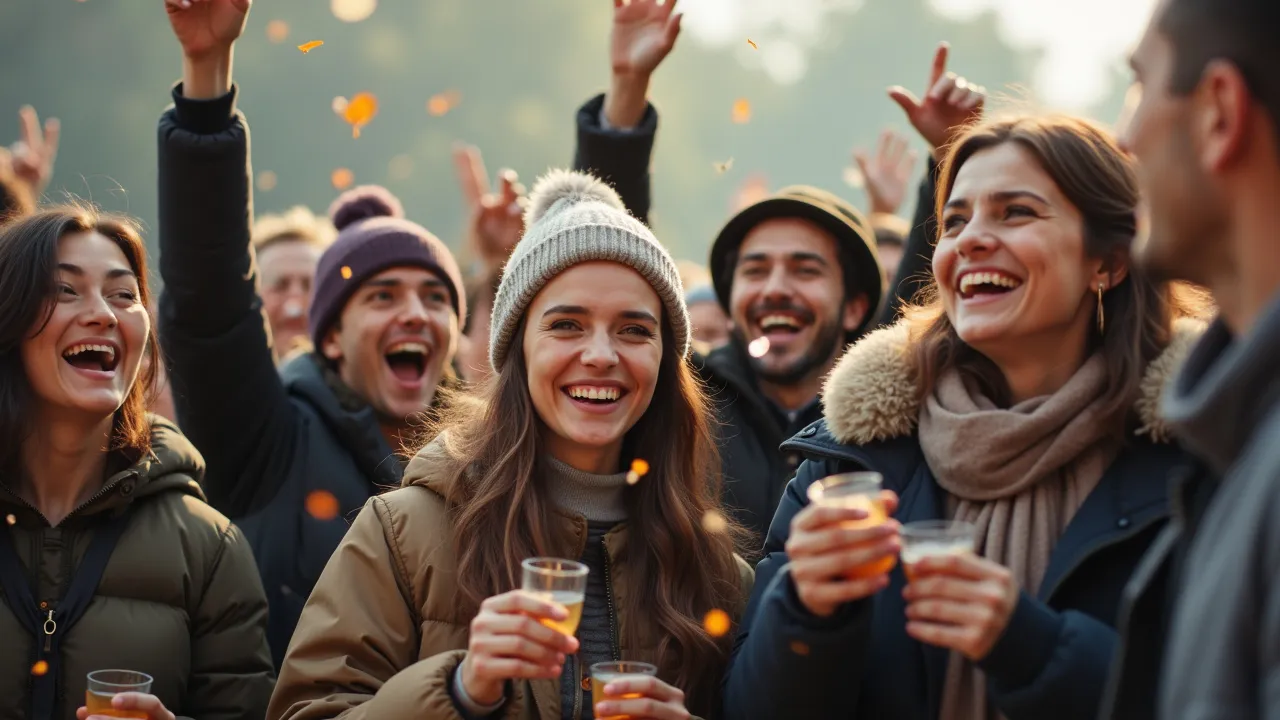
New Year's Day, observed on January 1st, marks the beginning of the Gregorian calendar year. It is celebrated globally with fireworks, resolutions, and family gatherings, symbolizing new beginnings and hope for the year ahead.
The Historical Origins & Evolutionary Journey
New Year's Day, observed on January 1st, is one of the oldest and most universally celebrated holidays, yet its history is a tapestry of religious, political, and astronomical reforms. This section delves into the deep historical roots of the date, tracing its evolution from ancient Babylon to the modern global celebration.
The Foundational Catalyst: The Julian Calendar
The decision to place New Year's Day on January 1st is credited to the Roman leader Julius Caesar. In 45 BCE, Caesar introduced the Julian calendar, a solar calendar that replaced the fragmented Roman lunar calendar. The Julian calendar set January 1 as the first day of the year, honoring Janus, the two-faced Roman god of beginnings, transitions, and doorways. Janus looked backward into the past and forward into the future, a perfect symbol for the new year. This was a radical change, as earlier Roman calendars had started in March (the month of Mars). Caesar's reform was based on the Egyptian solar year and was calculated by the astronomer Sosigenes. The Julian calendar was adopted across the Roman Empire, and January 1 became the official start of the civic year.
The Legislative/Official Adoption: The Gregorian Reform
Despite Caesar's decree, the celebration of January 1 as New Year's Day did not immediately become a universal tradition. During the Middle Ages, many Christian countries abolished January 1 as New Year's Day, associating it with pagan rituals, and instead observed the new year on December 25 (the birth of Christ), March 25 (the Feast of the Annunciation), or Easter. It wasn't until the adoption of the Gregorian calendar in 1582 by Pope Gregory XIII that January 1 was reinstated as the first day of the year for Catholic countries. The Gregorian calendar corrected the drift of the Julian calendar by removing leap years and adjusting the date of Easter. Protestant and Orthodox countries were slower to adopt the change. For example, England and its colonies (including America) did not adopt January 1 as New Year's Day until 1752, when the Calendar (New Style) Act was passed. This act also removed 11 days from September 1752 to realign the calendar. By the 20th century, the Gregorian calendar had become the global standard for civil use, cementing January 1 as New Year's Day worldwide.
Modern Global Legacy
Today, New Year's Day is a public holiday in virtually every country that uses the Gregorian calendar. The transition from December 31 to January 1 is marked by massive celebrations, including fireworks, parades, and concerts. Iconic events such as the Times Square ball drop in New York City (first held in 1907) have become synonymous with the holiday. The tradition of making New Year's resolutions dates back to the Babylonians, who made promises to their gods to start the year right. In modern times, resolutions focus on self-improvement, health, and personal goals. Despite its pagan origins, New Year's Day has been secularized and embraced by diverse cultures, each adding unique local traditions. The global legacy of January 1 is a testament to the enduring human desire for renewal and hope.
How to Celebrate New Year's Day
New Year's Day offers a fresh start, and how you celebrate can set the tone for the entire year. This section provides a comprehensive global guide to celebrating January 1, from pre-midnight traditions to day-of activities, suitable for individuals, families, and organizations.
Countdown and Midnight Traditions
The most iconic New Year's celebration occurs at the stroke of midnight on December 31, continuing into January 1. Here are some key practices:
- Fireworks and Noise: In many cultures, loud noises are believed to scare away evil spirits. Fireworks displays are common in cities like Sydney, London, and Dubai. At home, people use noisemakers, horns, or bang pots and pans.
- The Kiss and Auld Lang Syne: In English-speaking countries, it is customary to kiss someone at midnight and sing "Auld Lang Syne" by Robert Burns.
- Eating Lucky Foods: Many cultures have traditional foods believed to bring good luck. For example:
- In the Southern United States, black-eyed peas and collard greens are eaten for prosperity.
- In Spain, it is traditional to eat 12 grapes at midnight—one for each chime of the clock—symbolizing 12 months of good luck.
- In Japan, soba noodles (toshikoshi soba) are consumed at midnight for a long life.
Daytime Activities on January 1st
New Year's Day itself is often spent in relaxation, reflection, and celebration. Popular activities include:
- New Year's Day Parades: The Rose Parade in Pasadena, California, and the London New Year's Day Parade are huge events featuring floats, bands, and performers.
- Family Gatherings and Open Houses: Many people host or attend open house parties where friends and family drop by to wish each other a happy new year.
- Polar Bear Plunges: Brave individuals take a dip in cold water to celebrate the new year, often for charity.
- Sports Events: In the US, college football games like the Rose Bowl and the Sugar Bowl are traditionally held on January 1. In Europe, soccer matches and winter sports are common.
- Setting Resolutions and Goal Planning: Use the day to write down goals for the year. A popular exercise is creating a vision board or a list of 10 things to achieve.
Organizational and Corporate Celebrations
Businesses and non-profits can also celebrate New Year's Day to build morale and align goals:
- Team Retreats: Organize a day of reflection on the past year and strategic planning for the new one.
- Volunteer Events: Start the year with a service project, such as cleaning a park or serving at a shelter.
- Recognition Ceremonies: Acknowledge employees' achievements from the previous year and set collective goals.
Regardless of specific traditions, the essence of New Year's Day is renewal, hope, and connection. Whether through quiet reflection or exuberant parties, the day offers an opportunity to reset and look forward.
Global Traditions and Regional Variations
While January 1 is the most widely observed New Year's Day, many cultures have unique traditions that blend local customs with the Gregorian calendar. This section explores regional variations and alternative celebrations that occur on or around January 1, as well as cultures that celebrate the new year on completely different dates, recognizing the instruction to include such variations.
Western Traditions
In the United States and Canada, New Year's Day is marked by parades (e.g., the Rose Parade), football games, and the iconic ball drop in Times Square. In the United Kingdom, people often make resolutions and attend church services, and the first-foot tradition involves the first visitor of the year bringing gifts like coal or whisky. In France, the day is known as Jour des Étrennes, a time for gift-giving. Italians wear red underwear for good luck and eat lentils (symbolizing coins) and cotechino sausage.
Latin American and Hispanic Traditions
In Spain and many Latin American countries, the 12 grapes tradition is critical. Also, people often wear specific colors, such as yellow for prosperity and red for love. In Mexico, families have a late-night dinner and make tamales. In Brazil, millions gather on Copacabana Beach, dressed in white for peace, and offer flowers to Iemanjá, the sea goddess.
Asian Traditions
While Japan follows the Gregorian calendar, its New Year (Shogatsu) from January 1 to 3 is the most important holiday. Traditions include cleaning the house (osoji), visiting temples, and eating osechi-ryori (special boxed foods). In China, Korea, and Vietnam, the Lunar New Year usually falls in late January or February, but January 1 is still recognized as a public holiday. In South Korea, people celebrate both Seollal (Lunar New Year) and Solar New Year, often watching the sunrise. In Japan, the first sunrise of the year (Hatsuhinode) is a reverent moment.
Middle Eastern and African Traditions
In many Middle Eastern countries, New Year's Day is a secular celebration, often with fireworks and parties, though it is not a religious holiday. In Lebanon, families gather for a large feast. In Ethiopia, the New Year (Enkutatash) is in September, but January 1 is still observed as a public holiday. In South Africa, people often go to the beach, and in Ghana, church services and community gatherings are common.
Alternative Date Observances
It is important to note that many cultures celebrate a different New Year's Day. For example, the Chinese New Year (Spring Festival) varies between January 21 and February 20. The Islamic New Year (Hijri) moves annually in the Gregorian calendar. The Jewish New Year (Rosh Hashanah) falls in September or October. The Hindu New Year (e.g., Diwali, Ugadi, or Vaisakhi) is celebrated at various times. This global diversity underscores that while January 1 is the most internationally recognized date, the concept of a new year is universal but expressed differently across civilizations.
Psychological and Social Significance of New Year's Day
New Year's Day is not just a calendar event; it holds deep psychological and social significance. The ritual of marking a new beginning has powerful effects on human behavior and societal cohesion.
The Fresh Start Effect
Psychologists have identified the 'fresh start effect,' where temporal landmarks like New Year's Day motivate individuals to pursue goals. January 1 serves as a mental reset, increasing the likelihood of setting ambitious resolutions—such as exercising more, quitting smoking, or learning a new skill—by providing a clean slate. This psychological boost is tied to a sense of temporal distancing from past failures, allowing people to focus on future opportunities. Research shows that gym attendance spikes in January, and searches for 'diet' and 'exercise' skyrocket. However, the effect often fades by February, highlighting the need for sustainable habits.
Social Cohesion and Collective Effervescence
New Year's celebrations are communal events that foster social bonding. Whether gathering in Times Square, at a family dinner, or on a beach, shared rituals create what sociologist Émile Durkheim called 'collective effervescence'—a sense of unity and emotional energy. The countdown, fireworks, and singing together synchronize participants, strengthening social ties. This collective experience is especially important in an increasingly individualistic world, offering a moment of shared identity and hope for the future.
Cultural and Economic Impacts
The holiday also drives significant economic activity. In the US alone, New Year's spending on parties, travel, and decorations reaches billions of dollars. Tourism spikes in destinations like Las Vegas, New York, and Sydney. The celebration also influences media, with networks airing special programs and countdowns. On the flip side, the holiday can highlight social inequalities, as not everyone can afford lavish celebrations. Many people spend the day alone, leading to social initiatives like community dinners or volunteer events to include everyone.
In summary, New Year's Day is a psychological tool for renewal and a social glue that brings people together, while also driving economic and cultural trends. Understanding these dimensions helps individuals and organizations leverage the day for positive change.
Environmental and Safety Considerations of New Year's Celebrations
While New Year's Day is a time of joy, the celebrations—especially fireworks and large gatherings—have significant environmental and safety impacts. This section discusses these challenges and offers sustainable alternatives.
Air and Noise Pollution from Fireworks
Fireworks are a quintessential part of New Year's Eve, but they release large amounts of particulate matter, sulfur dioxide, and heavy metals into the air. In many cities, air quality plummets after midnight on January 1, posing health risks for people with respiratory conditions. Noise pollution can also disturb pets, wildlife, and individuals with sensory sensitivities. Some cities have replaced traditional fireworks with drone shows or laser displays, which are quieter and produce less pollution.
Waste Management and Litter
Post-celebration, streets are often littered with confetti, party streamers, and plastic glasses. Municipalities spend millions cleaning up. To reduce waste, individuals can opt for biodegradable confetti, reusable decorations, and avoid single-use plastics. Community clean-up events on New Year's Day are becoming popular, such as 'plogging' (jogging while picking up litter).
Safety and Public Health
Alcohol consumption spikes on New Year's Eve, leading to increased risks of drunk driving, accidents, and alcohol poisoning. Many cities provide free rides home or operate extended public transit. Firework-related injuries, especially from illegal fireworks, are a concern. Safe celebration tips include:
- Designate a sober driver or use ride-sharing services.
- Attend organized fireworks displays rather than setting off personal fireworks.
- Keep noise levels low in residential areas late at night.
Sustainable Celebration Ideas
To minimize environmental footprint, consider these alternatives:
- Host a potluck or locally-sourced dinner to reduce food miles.
- Use LEDs and rechargeable batteries for decorations.
- Attend a community event to share resources.
- Plant a tree on New Year's Day to symbolize growth.
New Year's Resolutions: Historical Roots, Psychology, and Effectiveness
One of the most enduring traditions of New Year's Day is the making of resolutions—promises to change behavior or achieve goals in the coming year. This section explores the history, psychology, and practical tips for turning resolutions into lasting habits.
Historical Origins
The tradition of making New Year's resolutions dates back over 4,000 years to ancient Babylon. The Babylonians made promises to their gods at the start of the year (which began in late March during the spring planting season), often vowing to return borrowed objects or repay debts. The Romans made similar promises to Janus during the New Year. Over time, the practice evolved into a secular ritual of self-improvement. The term 'resolution' itself became common in the 19th century as part of the Protestant work ethic, encouraging personal discipline and moral reform.
Psychological Drivers
Resolutions tap into several psychological principles: goal-setting theory (specific goals boost performance), self-efficacy (belief in one's ability to succeed), and temporal landmarks (as discussed earlier). However, many resolutions fail because they are too vague or unrealistic. Common resolutions include losing weight, saving money, and exercising more. The 'intention-behavior gap' often undermines success. To improve effectiveness, experts recommend:
- Setting SMART goals: Specific, Measurable, Achievable, Relevant, Time-bound.
- Breaking large goals into small daily actions.
- Tracking progress and rewarding milestones.
- Building in accountability through friends or apps.
Global Trends in Resolutions
In the digital age, online platforms and social media influence resolution-making. For example, the #NewYearNewMe hashtag encourages public commitment. In Japan, the practice of kakeibo (household ledger) becomes popular for financial resolutions. In Scandinavian countries, 'lagom' (balance) is a common theme, focusing on moderation rather than drastic change. Resolutions also reflect cultural values; for instance, in collectivist cultures, goals often involve family harmony and community service, whereas in individualistic cultures, personal achievement is prioritized.
While research suggests that only about 8% of people achieve their resolutions, the act of setting goals itself can improve wellbeing. Even partial success fosters a sense of agency. Ultimately, New Year's resolutions are a powerful tool for intentional living, rooted in ancient traditions and validated by modern psychology.
Historical Timeline
Julius Caesar introduces the Julian calendar, establishing January 1 as the first day of the year in the Roman Republic, honoring the god Janus.
Pope Gregory XIII issues the Gregorian calendar reform, restoring January 1 as New Year's Day for Catholic countries, correcting the drift of the Julian calendar.
England and its American colonies adopt the Gregorian calendar, moving New Year's Day from March 25 to January 1, and skipping 11 days in September.
The first New Year's Eve ball drop is held in Times Square, New York City, becoming an iconic global symbol of midnight celebration.
The Tournament of Roses Parade in Pasadena, California, is first broadcast on radio, later becoming a televised New Year's Day tradition.
The rise of satellite television allows worldwide broadcast of New Year's celebrations, turning the holiday into a global media event.
The millennium New Year is celebrated with unprecedented worldwide festivities, with fears of the Y2K bug, but events proceed smoothly.
New Year's celebrations are subdued due to the COVID-19 pandemic, with many cities cancelling public events and encouraging virtual gatherings.