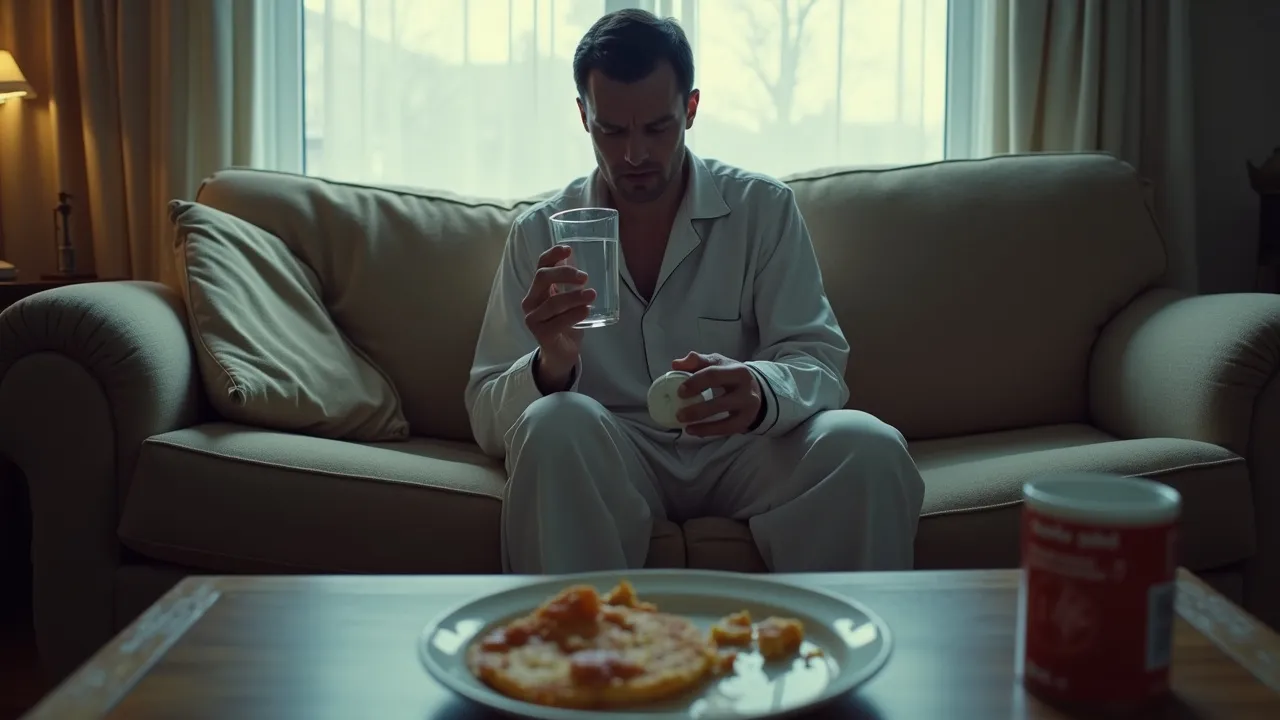
National Hangover Day, observed on January 1st, is a cultural recovery day after New Year's Eve celebrations. It highlights the universal experience of hangovers and promotes curated remedies and rest.
The Historical Origins & Evolutionary Journey
National Hangover Day, observed each year on January 1st, is not a sanctioned government holiday but rather an informal tradition that has grown alongside New Year's Eve revelry. Its roots trace back to the early 20th century when alcohol consumption spiked during holiday festivities and people began seeking structured recovery methods.
The Foundational Catalyst
The immediate catalyst for National Hangover Day was the universal human experience of overindulgence during New Year's festivities. As industrialization brought standardized work schedules, January 1st became a natural day of rest. In the 1920s, Prohibition in the United States paradoxically increased binge drinking, leading to more severe hangovers and the first commercial hangover 'cures' (e.g., the 'Hair of the Dog' remedy).
The Legislative/Official Adoption
No government has officially designated January 1st as National Hangover Day. Instead, it has been recognized by popular culture, media, and the wellness industry. In 2003, the Hangover Research Institute began promoting the day to raise awareness about alcohol after-effects. By 2010, many businesses (especially coffee shops, diners, and pharmacies) started marketing special 'recovery' products, solidifying the date as a cultural observance.
Modern Global Legacy
Today, National Hangover Day is celebrated in various forms worldwide. In countries like the United Kingdom and Australia, January 1st is often called 'Recovery Day,' where people share hangover remedies online and in social circles. The day has also spurred academic interest: universities now study hangover prevention, and the term 'hangxiety' (hangover anxiety) entered popular lexicon. The observance serves as a reminder of the need for responsible drinking and self-care.
How to Celebrate National Hangover Day
Celebrating National Hangover Day is about embracing recovery and learning from the previous night's indulgences. It's a day to prioritize rest, hydration, and gentle activities. Below are specific best practices for individuals, groups, and organizations.
Individual Recovery Strategies
- Hydrate: Drink water or electrolyte drinks throughout the day. Avoid caffeine as it dehydrates further.
- Eat Smart: Consume bland, fatty foods (e.g., toast, eggs) that absorb toxins. Avoid acidic or spicy items.
- Rest: Sleep is the most effective hangover cure. Allow yourself to nap or stay in bed.
- Pain Relief: Over-the-counter pain relievers like ibuprofen can help, but avoid acetaminophen as it stresses the liver.
- Gentle Activity: Light stretching or a short walk can boost circulation without overexertion.
Social and Corporate Rituals
- Hangover Brunch: Many restaurants offer special 'recovery brunches' with hearty comfort foods. It's a social way to commiserate and share stories.
- Office Recovery Kits: Some companies provide hangover kits (water, pain relievers, vitamins) to employees as a wellness gesture.
- Online Communities: Platforms like Reddit and Facebook have groups where people share remedies and humorous anecdotes. Participate using #NationalHangoverDay.
Regional Traditions
In Germany, January 1st is known as 'Katertag' (Hangover Day), where people eat pickled herring and take sauna sessions. In Mexico, 'cuaresmeño' (pickled hot peppers) are consumed to 'reset' the stomach. Japan practices 'yakei' (night view) walks to clear the mind. These diverse customs emphasize that the common goal is recovery and reflection.
The Science Behind Hangovers
Hangovers are a complex physiological response to alcohol consumption. On National Hangover Day, understanding the science can help people mitigate symptoms. The body experiences dehydration, inflammation, disrupted sleep, and toxic byproducts. Key factors include:
Dehydration and Electrolyte Imbalance
Alcohol is a diuretic, causing increased urine production and loss of water and electrolytes. This leads to thirst, dizziness, and headache. Rehydration is critical.
Acetaldehyde Buildup
When the liver breaks down ethanol, it produces acetaldehyde, a toxic compound that contributes to nausea and sweating. The body's inability to quickly process this byproduct exacerbates hangover severity.
Inflammation and Immune Response
Alcohol triggers an immune response, releasing cytokines that cause fatigue, muscle aches, and cognitive fog. This explains why hangovers feel like a mild illness.
Disrupted Sleep Cycle
Alcohol suppresses REM sleep, leading to a night of poor-quality rest. Even if you sleep 8 hours, you may wake feeling exhausted.
On National Hangover Day, science-based remedies include N-acetylcysteine (to help expel acetaldehyde), vitamin B6, and hydration solutions. Avoid 'hair of the dog' (drinking more alcohol) as it prolongs recovery.
Cultural Traditions Around the World
National Hangover Day is recognized in many countries, each with unique traditions for January 1st recovery. This section explores global practices, emphasizing that the observance transcends borders.
United States: Hair of the Dog and Big Breakfast
Americans often indulge in a greasy breakfast and use phrases like 'I'm never drinking again.' Many pharmacies sell hangover relief kits. The day is also a peak for sports watching (college football bowl games), which provides a distraction.
United Kingdom: Full English Breakfast and Colder Showers
The UK's traditional hangover cure is a Full English breakfast (eggs, bacon, sausage, beans, toast). Cold showers are also popular. Pub opening hours on New Year's Day are limited, encouraging recovery at home.
Germany: 'Katerfrühstück' (Hangover Breakfast) and Pickled Herring
Germans eat a 'Katerfrühstück' featuring pickled herring and potato salad. They also take a brisk walk in the cold to stimulate circulation.
South Korea: 'Haejangguk' (Hangover Stew) and Jjimjilbang
South Koreans consume haejangguk, a beef bone soup with dried radish and cabbage. Many visit a jjimjilbang (public bathhouse) for hot baths and saunas to sweat out toxins.
Mexico: 'Menudo' and 'Micheladas'
Menudo, a spicy tripe soup, is a classic hangover remedy. Some also drink non-alcoholic micheladas (beer mix without alcohol) to rehydrate.
Australia: 'The Recovery' at the Beach
Australians head to the beach for a swim and take Vitamin B supplements. The sunny weather helps boost mood and energy levels.
Economic and Social Impact of Hangovers
National Hangover Day brings attention to the broader economic and social consequences of hangovers. On January 1st, businesses experience a dip in productivity as many employees call in sick or work from home. The global cost of hangover-related absenteeism is estimated at billions annually. However, the day also creates economic opportunities for certain sectors.
Lost Productivity
According to a 2020 study, hangovers cost the U.S. economy approximately $77 billion per year in lost productivity. January 1st is one of the highest sick-leave days of the year.
Boost to Specific Industries
- Food and Beverage: Greasy diners, pizza delivery, and hangover remedy brands see a sales spike.
- Pharmaceuticals: Sales of pain relievers, hydration drinks, and vitamins surge on January 1st.
- Entertainment: Streaming platforms and video games see increased usage as people stay home and rest.
On the social side, National Hangover Day has sparked conversations about responsible drinking. Some advocacy groups use the day to promote 'Sober January' or encourage moderate alcohol intake. The day serves as a checkpoint for individuals to reflect on their drinking habits.
Modern Trends: Hangover Cures and Industry Evolution
The hangover recovery industry has exploded in recent years, with National Hangover Day acting as a marketing catalyst for new products and services. From IV drip clinics to functional beverages, the market is growing rapidly.
IV Hydration Therapy
Mobile IV therapy services that deliver saline, vitamins, and anti-nausea medication have become popular in urban areas. On January 1st, many clinics offer discounts for hangover relief.
Functional Drinks and Supplements
Brands like Morning Recovery (enriched with milk thistle and electrolytes) and Hangover Helper (containing CDP-choline) have gained traction. These products claim to prevent or alleviate symptoms when taken before or after drinking.
Tech Wearables
Some companies, like BACtrack, offer breathalyzers that sync with smartphones to provide personalized recovery tips. There are even apps that track sleep quality and hydration levels.
Natural Remedies
Traditional remedies like ginger tea, coconut water, and acupuncture have seen a resurgence. The wellness movement encourages holistic recovery without pharmaceuticals.
National Hangover Day now features social media campaigns where brands and influencers share tips, recipe videos, and personal stories, creating a community around recovery.
Historical Timeline
Prohibition in the United States leads to increased binge drinking and the first commercial 'hangover cures' like the 'Hair of the Dog' remedy.
The term 'hangover' gains widespread usage in American slang, replacing earlier terms like 'katzenjammer'.
First official 'Hangover Day' promoted by a New York radio station as a joke, gaining popularity in local bars.
Hangover research emerges; Dr. James L. Lipton publishes a study on alcohol's diuretic effects.
The 'Bloody Mary' becomes the iconic hangover cocktail, featured in movies and bars.
The internet popularizes hangover remedies; online forums share tips globally.
Hangover Research Institute (HRI) established, designating January 1 as National Hangover Day for awareness.
Mobile IV hydration services launch in major cities, offering 'hangover relief' packages.
National Hangover Day gains official recognition from several alcohol awareness groups.
COVID-19 lockdowns shift celebrations to virtual parties; hangover remedies market booms with home delivery.