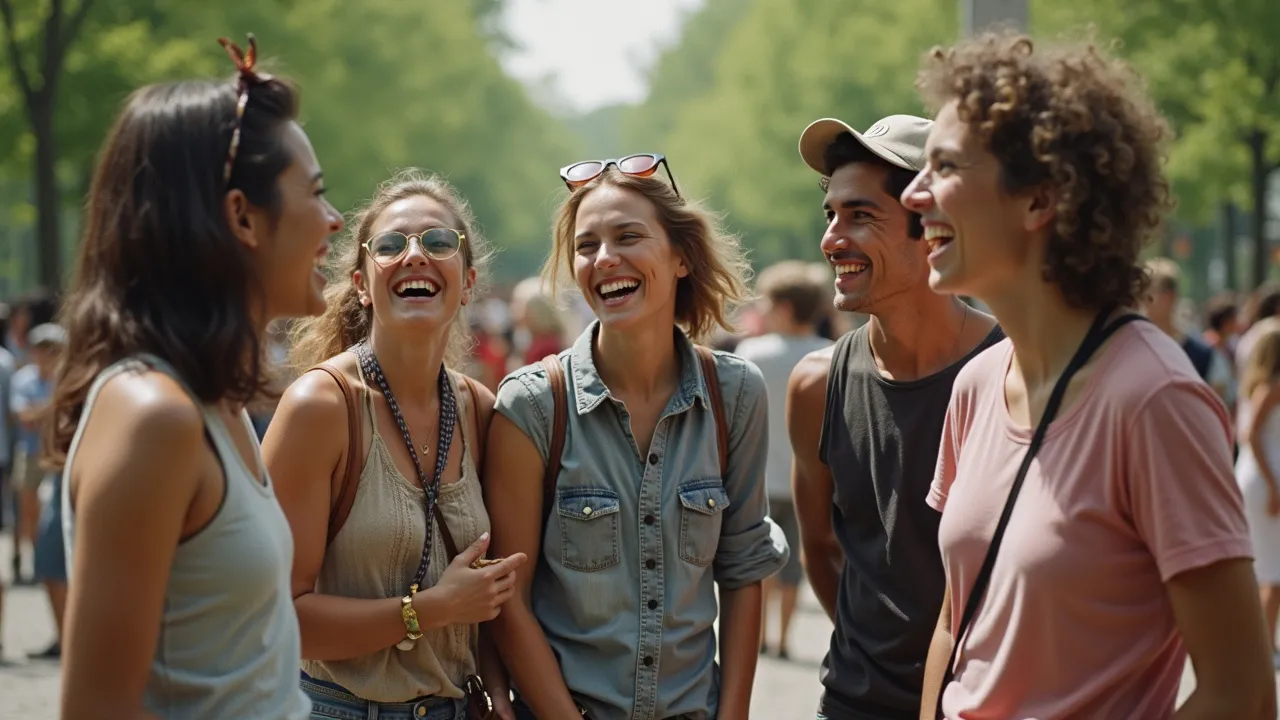
Peculiar People Day on January 10th celebrates individuality and uniqueness. Embrace your quirks and honor the eccentricities that make everyone special. A day to be proudly different.
The Historical Origins & Evolutionary Journey
Peculiar People Day, observed annually on January 10th, is a relatively modern celebration that has grown organically through grassroots social media and lighthearted observance communities. Unlike many holidays with deep historical roots, this day emerged from a cultural shift toward embracing individuality and rejecting conformity.
The Foundational Catalyst
The exact origins of Peculiar People Day are murky, but it is believed to have been first mentioned in the early 2000s on niche internet forums and early social networks like MySpace. The concept was simple: set aside one day to honor those who march to the beat of their own drum. The term "peculiar" itself carries a double meaning—both odd and special—and the day sought to reframe unconventional behavior as a strength.
The Legislative/Official Adoption
Peculiar People Day has never been officially recognized by any government body. Instead, it has been adopted by schools, workplaces, and online communities as a fun, informal observance. Some companies now use it as a team-building event where employees dress eccentrically or share unusual talents.
Modern Global Legacy
Today, Peculiar People Day is celebrated in various forms across the globe. In the United States, it is often marked by social media campaigns using hashtags like #PeculiarPeopleDay. In Europe, particularly in the UK, it aligns with the celebration of eccentric British characters. In Japan, it resonates with the concept of "wa" (harmony) balanced with "kosei" (individuality). The day has become a platform for promoting diversity and inclusion, reminding people that being different is not only okay but commendable.
How to Celebrate Peculiar People Day
Celebrating Peculiar People Day is all about embracing what makes you unique and encouraging others to do the same. Below are actionable strategies for individuals, schools, and organizations.
For Individuals
- Dress Uniquely: Wear your most eccentric outfit—bright colors, mismatched socks, or a vintage hat.
- Share Your Quirks: Post a video or photo on social media describing your unusual hobby or talent.
- Write a Compliment: Tell a friend or colleague what peculiar trait you admire about them.
For Schools
- Peculiar Art Contest: Encourage students to create art that celebrates individuality.
- Show and Tell: Have students bring an object that represents their unique interest.
- Diversity Assembly: Organize a talk about the value of different perspectives.
For Organizations
- Casual Dress Day: Let employees wear their most peculiar outfit without judgment.
- Talent Show: Host a lunchtime event showcasing unusual skills like juggling or beatboxing.
- Innovation Brainstorm: Use the day to encourage unconventional ideas, fostering creativity.
In different countries, traditions vary. In Brazil, people celebrate by wearing colorful Carnival-like costumes. In Germany, some communities hold "Bunter Abend" (colorful evening) events where peculiar talents are performed. The key is to adapt the spirit of the day to local culture while keeping the core message of embracing uniqueness.
Global Impact and Cultural Significance
Peculiar People Day has grown into a global observance that underscores the importance of diversity. In an increasingly interconnected world, the day serves as a counterbalance to the pressure to conform. It promotes mental well-being by encouraging self-acceptance and reduces stigma around neurodivergent behaviors. Social media analytics show that the hashtag #PeculiarPeopleDay trends in over 20 countries on January 10th. The day has also been embraced by LGBTQ+ communities as a celebration of identity.
Psychological Benefits
Psychologists endorse the day as a positive intervention. By celebrating peculiarity, individuals build resilience against social rejection. Studies indicate that people who engage in such celebrations report higher self-esteem and lower anxiety.
Corporate Adoption
Forward-thinking companies use Peculiar People Day to boost employee morale and innovation. Google, for instance, has hosted "Peculiar Talks" where staff present offbeat projects. This aligns with the day's ethos: valuing unconventional thinking as a driver of progress.
Core Societal Themes: Individuality vs. Conformity
Peculiar People Day sits at the intersection of two powerful societal forces: the desire to stand out and the pressure to fit in. The day encourages a healthy balance. It reminds us that while social norms provide structure, they should not suppress creativity.
The Role of Social Media
Platforms like TikTok and Instagram have amplified the day's reach. Users share their "peculiar" moments, from unusual fashion to eccentric pets. This digital celebration has turned the day into a worldwide trend, reinforcing that peculiarity is worth sharing.
Education Systems
Progressive schools incorporate Peculiar People Day into their curriculum to teach tolerance. Lesson plans include discussions on historical figures who were considered peculiar but changed the world, like Albert Einstein or Frida Kahlo.
Industry Transformations: Marketing and Media
Peculiar People Day has influenced how brands market themselves. Instead of generic messages, companies now create campaigns that highlight uniqueness. For example, a fashion brand may feature models with unconventional looks. In media, streaming services curate playlists of movies about eccentric characters on January 10th.
Merchandising
Limited-edition merchandise like "Peculiar People Day" T-shirts and mugs appear online. The day has spawned a small cottage industry of novelty items sold through platforms like Etsy.
Event Planning
Event planners now offer themed parties for the day, complete with costume contests and quirky entertainment. This has created a niche market for "peculiar" performers, such as contortionists and improvisational comedians.
Controversies and Misinterpretations
Like any observance, Peculiar People Day has faced criticism. Some argue that it trivializes mental health conditions by romanticizing odd behavior. Others worry it may encourage social exclusion by labeling certain people as "peculiar." However, advocates clarify that the day is about self-identification, not labeling others. It is meant to be inclusive and respectful. The key is to celebrate without stigmatizing.
Balancing Inclusivity
Organizers emphasize that the day is for everyone, not just those who are overtly eccentric. Introverts can celebrate by quietly embracing their own unique traits. The day should never be used to mock or pressure anyone.
Future of Peculiar People Day
As society becomes more accepting of diversity, Peculiar People Day is likely to gain more formal recognition. Some activists are pushing for schools to include it in their diversity calendars. With the rise of remote work, virtual celebrations are also becoming popular. The day may eventually evolve into a global movement advocating for neurodiversity and authenticity.
Historical Timeline
First mentions of Peculiar People Day appear on niche internet forums and early social media platforms like MySpace, encouraging people to celebrate individuality on January 10th.
The hashtag #PeculiarPeopleDay begins trending sporadically on Twitter, marking the first widespread digital observance.
Several schools in the United States officially adopt Peculiar People Day into their diversity calendar, organizing events that highlight unique student talents.
Google hosts its first 'Peculiar Talks' internal event, where employees present quirky projects, setting a corporate trend.
Peculiar People Day gains international attention as social media campaigns in over 20 countries use the hashtag, amplified by COVID-19 lockdowns focusing on self-expression.
Etsy reports a 50% increase in sales of 'Peculiar People Day' merchandise compared to the previous year, indicating growing commercial interest.