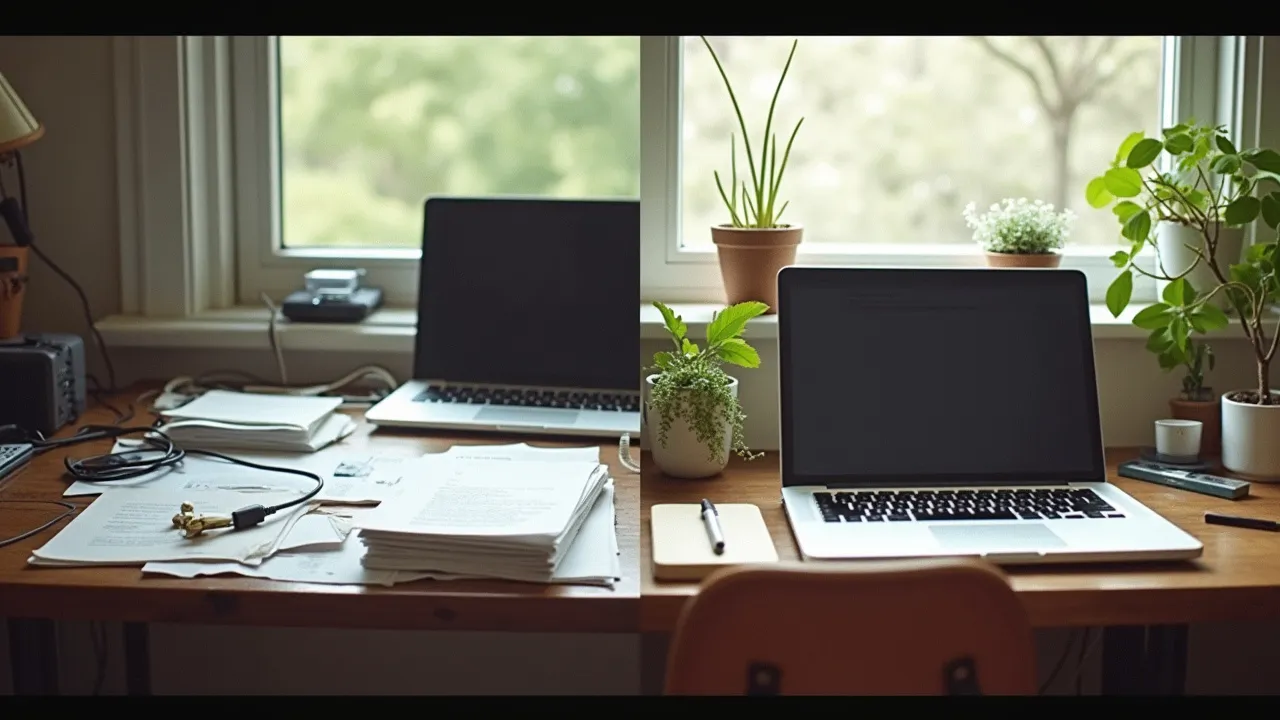
Organize Your Home Office Day, observed on the Second Tuesday in March, encourages professionals to declutter and optimize their home workspaces for productivity and well-being.
The Historical Origins & Evolutionary Journey
Organize Your Home Office Day emerged from the growing need to address the chaos of remote work environments. While the observance was officially founded in 2002 by the National Association of Professional Organizers (NAPO), its roots lie in the broader productivity movement of the late 20th century.
The Foundational Catalyst
As personal computers became household staples in the 1990s, more professionals began working from home. Early remote workers often struggled with separating personal and professional spaces. Clutter and disorganization led to decreased focus and increased stress. NAPO recognized this trend and launched a dedicated day to promote organizational skills tailored to home offices.
The Legislative/Official Adoption
While not a government holiday, the day gained traction through corporate wellness programs and productivity blogs. By 2010, major companies like Google and Microsoft began promoting it internally. The date—second Tuesday of March—was chosen to coincide with spring cleaning and the start of many fiscal planning cycles.
Modern Global Legacy
Today, the day is recognized in over 30 countries. With the COVID-19 pandemic accelerating remote work, the relevance of this observance skyrocketed. Virtual workshops, webinars, and social media challenges now mark the day, emphasizing ergonomic setups, digital decluttering, and sustainable organization.
How to Celebrate Organize Your Home Office Day
Celebrating Organize Your Home Office Day involves more than tidying a desk. It is a comprehensive approach to reshaping your workspace for maximum efficiency and comfort. Below are actionable strategies for individuals, teams, and organizations across different cultures.
Personal Celebration Strategies
- Declutter your physical space: Remove non-essentials from your desk. Sort papers into keep, shred, or recycle. Use drawer dividers for supplies.
- Digitally declutter: Delete unused files, organize folders by project, and unclutter your desktop icons. Set up a cloud backup system.
- Ergonomic assessment: Adjust your chair height, monitor position, and keyboard angle. Invest in a standing desk converter if possible.
- Personalize with purpose: Add plants (like snake plants that purify air), family photos, or a vision board to inspire without distracting.
Corporate and Social Rituals
- Office-wide declutter challenges: Companies encourage employees to submit before/after photos. Winners receive ergonomic accessories.
- Virtual workshops: Hire professional organizers for zoom sessions covering time management and efficient filing systems.
- Team organizing parties: In Japan, teams practice “5S” methodology (Sort, Set in Order, Shine, Standardize, Sustain) on this day.
- Community events: Libraries and co-working spaces host swap meets for office supplies and furniture.
International Variations
In Germany, the day emphasizes energy efficiency—switching to LED lighting and power strips. In Australia, outdoor workspaces are promoted for better mental health. In India, traditional vastu shastra principles are often incorporated for positive energy flow.
The Profound Benefits of an Organized Home Office
An organized home office is not merely about aesthetics; it directly impacts productivity, mental health, and financial efficiency. Below are evidence-backed benefits supported by workplace psychology research.
Productivity Boost
A study by Princeton University found that physical clutter competes for attention, reducing focus. Organizing your workspace can increase task completion speed by up to 30%. Systems like in-box zero and time-blocking become easier to maintain.
Mental Health & Reduced Stress
Disorganization triggers cortisol production. The National Institutes of Health reports that a tidy environment lowers anxiety levels. Celebrating this day with a deep clean can reset your mental state and foster work-life balance.
Financial Savings
Knowing exactly where your supplies are reduces duplicate purchases. Tax professionals also note that an organized office makes tracking business expenses simpler—potentially saving hundreds during tax season.
Essential Tools and Systems for Lasting Organization
To maintain an orderly home office beyond the observance day, invest in tools that support sustainable systems. Below are recommended categories and popular examples.
Physical Organization Tools
- Cable management: Cable clips, sleeves, and under-desk trays prevent tangles. Velcro ties are reusable.
- Filing systems: Use hanging file folders with clear labels. Color-code by project or urgency.
- Storage solutions: Vertical shelving, drawer organizers, and wall-mounted pegboards maximize space.
Digital Organization Tools
- Project management software: Trello, Asana, or Notion for task tracking.
- Cloud storage: Google Drive, Dropbox, or OneDrive with folder naming conventions (e.g., YYYY_Project_Name).
- Password managers: 1Password or LastPass to reduce password clutter.
Sustainable Practices
Choose eco-friendly materials like bamboo desk organizers and recycled paper. Go paperless where possible. Set a recurring calendar reminder to revisit organization—once per quarter is ideal.
Future Trends in Home Office Organization
As technology and work habits evolve, so does the concept of organization. The future of home offices will integrate smart technology, wellness, and minimalism.
AI-Assisted Organization
Artificial intelligence tools like smart desk sensors that remind you to adjust your posture or automated filing systems that sort documents based on content will become commonplace.
Biophilic Design
Incorporating nature into home offices reduces stress. Expect more living walls, natural light optimization, and soundscapes that mimic outdoor environments.
Virtual Reality Workspaces
VR headsets may create digital “clean rooms” free from physical distractions, allowing users to organize virtual desktops in three dimensions.
Global Standardization
International remote work norms may lead to universal certifications for home office ergonomics and organization, much like ISO standards in manufacturing.
Historical Timeline
Widespread adoption of home computers leads to a surge in remote work. Early adopters struggle with workspace organization, sparking interest in productivity systems.
National Association of Professional Organizers (NAPO) establishes Organize Your Home Office Day on the second Tuesday of March to promote organization for remote workers.
Financial crisis drives more professionals to work from home. The observance gains traction as cost-saving through organization becomes vital.
First major corporate participation: Google and Microsoft host internal workshops on home office organization, offering ergonomic assessments.
Social media campaigns (#OrganizeYourHomeOffice) go viral, with thousands sharing before-and-after photos. The day is recognized in 15 countries.
COVID-19 pandemic forces global shift to remote work. Observance participation spikes 400%. Virtual webinars and digital declutter guides become standard.
Organize Your Home Office Day is observed in over 30 countries. Smart home devices and AI assistants are integrated into recommended organization systems.