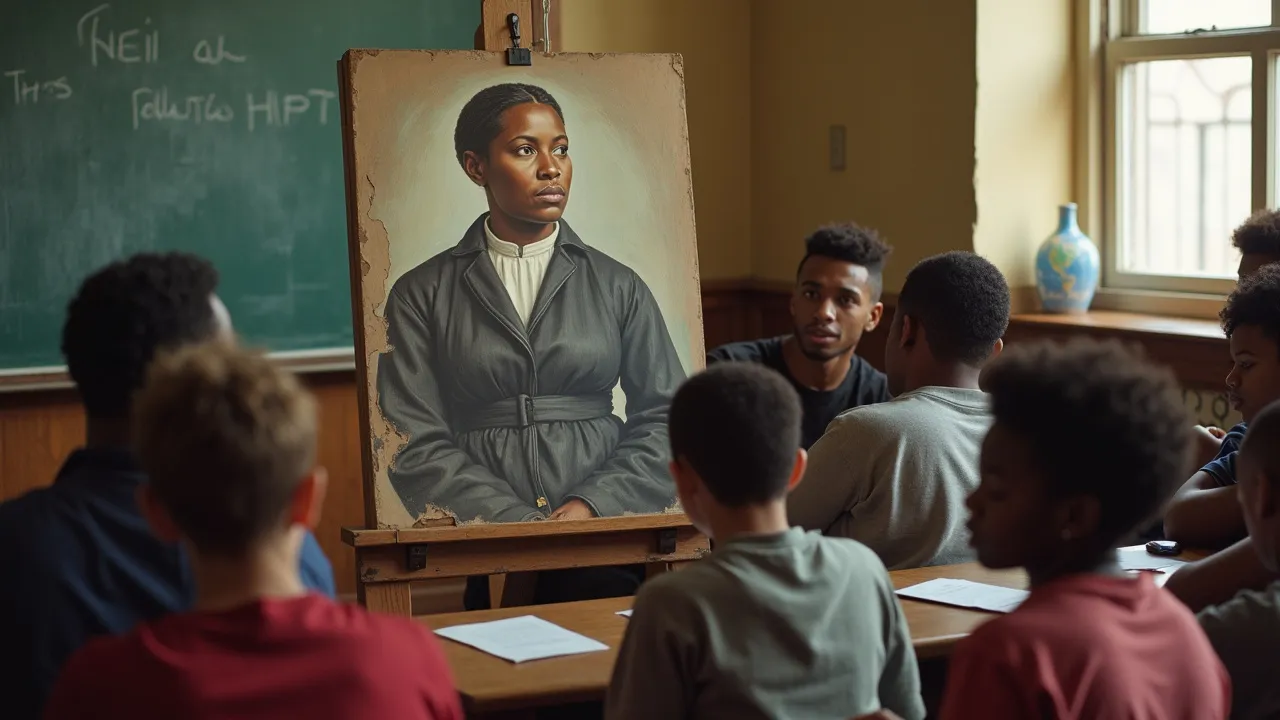
Harriet Tubman Day, observed on March 10, honors the life and legacy of the iconic abolitionist and Underground Railroad conductor. This day commemorates her courage, freedom activism, and enduring impact on American history.
The Historical Origins & Evolutionary Journey
Harriet Tubman Day, observed annually on March 10th, stands as a powerful tribute to one of America's most revered freedom fighters. This observance did not emerge overnight; it is the result of decades of advocacy and legislative action that cemented Tubman's place in the national consciousness.
The Foundational Catalyst
The roots of Harriet Tubman Day lie in the extraordinary life of Araminta Ross, later known as Harriet Tubman. Born into slavery around 1822 in Dorchester County, Maryland, she escaped to freedom in 1849. Instead of relishing her own liberty, Tubman returned to the South at least 13 times to lead approximately 70 enslaved people to freedom via the Underground Railroad. During the Civil War, she served as a scout, spy, and nurse for the Union Army, notably leading the Combahee Ferry Raid in 1863, which freed over 700 enslaved people. Her later years were dedicated to women's suffrage and caring for the elderly. This unparalleled legacy of courage and selflessness provided the moral imperative for a dedicated day of recognition.
The Legislative/Official Adoption
Efforts to honor Tubman with a national day gained momentum in the late 20th century. In 1990, the United States Congress passed a joint resolution designating March 10, 1990, as Harriet Tubman Day. The date was chosen to mark the anniversary of her death in 1913. President George H.W. Bush signed the proclamation, urging Americans to observe the day with appropriate ceremonies and activities. While not a federal holiday, the designation carried significant symbolic weight. Over the years, several states—including New York, where Tubman spent her later years—have enacted permanent observances. New York's 'Harriet Tubman Day' became a state holiday in 2003, and similar recognitions exist in Maryland, Pennsylvania, and other states.
Modern Global Legacy
Today, Harriet Tubman Day has transcended national borders. In Canada, especially in communities along the Underground Railroad routes, March 10 is marked with educational events. The United Nations has also acknowledged Tubman's contributions to human rights. The day now serves as a global reminder of the ongoing struggle for freedom and equality, inspiring new generations to stand against oppression.
How to Celebrate Harriet Tubman Day
Harriet Tubman Day offers meaningful opportunities for individuals, families, schools, and organizations to honor her legacy. Below are actionable ways to observe the day, structured for maximum engagement.
Activities for Individuals and Families
- Visit a historic site: Explore the Harriet Tubman Underground Railroad National Historical Park in Maryland or the Harriet Tubman Home in Auburn, New York.
- Read a biography: Pick up works like 'Bound for the Promised Land' by Kate Clifford Larson or 'Harriet Tubman: The Road to Freedom' by Catherine Clinton.
- Watch a documentary: Screen films such as 'Harriet Tubman: They Called Her Moses' or the 2019 feature film 'Harriet'.
- Volunteer: Support organizations that fight modern slavery, such as the International Justice Mission or local human trafficking coalitions.
Educational Programs for Schools
- Lesson plans: Teachers can integrate Tubman's life into history, social studies, and literature classes using resources from the National Park Service and the Library of Congress.
- Student projects: Assign research papers, art projects, or dramatic reenactments of the Underground Railroad.
- Guest speakers: Invite historians or descendants of Tubman's family to speak about her legacy.
Organizational and Corporate Involvement
- Social media campaigns: Use hashtags like #HarrietTubmanDay and #SheLedTheWay to share quotes and facts.
- Donations: Contribute to the Harriet Tubman Home or the National Museum of African American History and Culture.
- Employee education: Host lunch-and-learn sessions on Tubman's leadership and its relevance to modern diversity and inclusion efforts.
Harriet Tubman's Enduring Legacy in American History
Harriet Tubman's impact extends far beyond the Underground Railroad. She is a towering figure in the fight for racial and gender equality. Her legacy is multifaceted:
- Underground Railroad: Tubman's network of safe houses and secret routes freed hundreds and inspired thousands. She became known as 'Moses' for her leadership.
- Civil War Service: As the first woman to lead an armed expedition in the Civil War, her military contributions were groundbreaking.
- Women's Suffrage: Tubman worked alongside Susan B. Anthony and other suffragists, advocating for women's right to vote until her death.
- Humanitarian Work: She established the Harriet Tubman Home for the Aged and supported education for African Americans.
Today, her face is proposed to appear on the $20 bill, a testament to her enduring influence. Her story continues to inspire civil rights movements worldwide.
The Symbolism of the Day: Courage and Freedom
Harriet Tubman Day is not merely a historical observance; it is a symbol of resilience and the unyielding pursuit of justice. The date March 10 serves as a reminder that freedom is never free. Themes central to the day include:
- Courage in the face of danger: Tubman risked her life repeatedly, knowing the consequences of capture.
- Selflessness: She prioritized the liberation of others over her own safety.
- Leadership: Her ability to inspire and organize was unparalleled.
The day encourages individuals to reflect on contemporary issues of inequality and to take action. It calls on everyone to become a 'conductor' in their own communities, fighting modern forms of oppression.
Harriet Tubman Day Around the World
While Harriet Tubman Day is primarily observed in the United States, its global resonance is growing. International observances include:
- Canada: Communities in Ontario, especially those near the terminus of the Underground Railroad, hold commemorative walks and lectures.
- United Kingdom: Museums and universities host symposiums on Tubman's life and her connections to British abolitionists.
- Caribbean: In nations with strong African diaspora populations, the day is marked by cultural festivals and educational events.
The day also aligns with International Women's Month, amplifying its message of female empowerment. Global recognition underscores Tubman's status as a universal symbol of freedom.
The Future of Harriet Tubman Day
As society continues to grapple with issues of racial justice and equality, Harriet Tubman Day gains renewed relevance. Future developments may include:
- Federal holiday status: Advocacy groups are pushing for full federal recognition, moving from a day of observance to a paid holiday.
- Expanded educational curricula: More states are incorporating Tubman's story into mandatory history standards.
- Digital initiatives: Virtual reality tours of the Underground Railroad and interactive online exhibits are being developed to reach global audiences.
The legacy of Harriet Tubman is dynamic, and the day dedicated to her will continue to evolve, ensuring that her story remains a beacon of hope for generations to come.
Historical Timeline
Harriet Tubman is born Araminta Ross in Dorchester County, Maryland.
Tubman escapes slavery, fleeing to Philadelphia via the Underground Railroad.
Tubman makes approximately 13 missions back to the South, rescuing about 70 enslaved people.
Tubman leads the Combahee Ferry Raid, freeing over 700 enslaved people in South Carolina.
Harriet Tubman dies on March 10 in Auburn, New York.
The United States Congress designates March 10 as Harriet Tubman Day; President George H.W. Bush signs the proclamation.
New York State makes Harriet Tubman Day a permanent state holiday.
The U.S. Treasury announces plans to feature Harriet Tubman on the front of the $20 bill (delay later announced).
The Harriet Tubman Underground Railroad National Historical Park expands educational programs for the day.