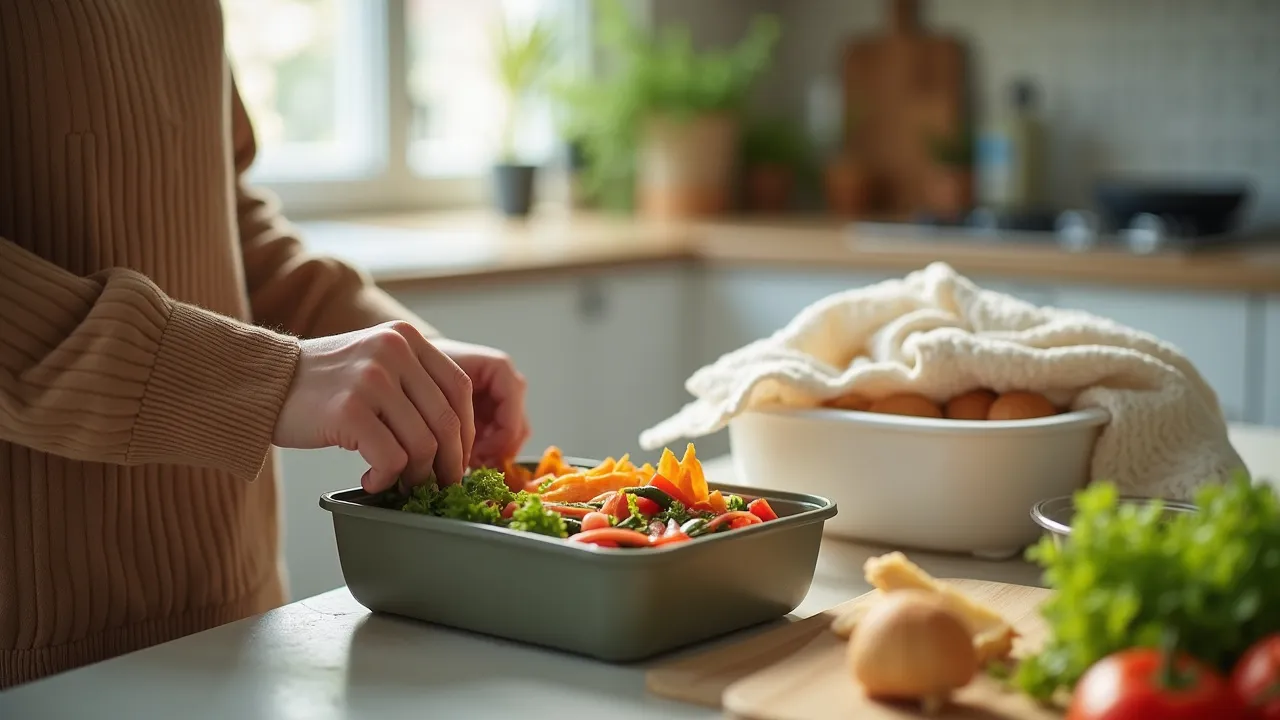
National Pack Your Lunch Day on March 10th encourages everyone to prepare and enjoy a homemade lunch. This day promotes healthier eating, cost savings, and environmental sustainability by reducing disposable packaging waste.
The Historical Origins & Evolutionary Journey
National Pack Your Lunch Day, observed annually on March 10th, traces its roots to the early 20th century when lunch pails and brown bags became symbols of the working class and schoolchildren. The modern observance emerged in the early 2000s as a grassroots initiative to combat rising obesity rates and disposable waste.
The Foundational Catalyst
In the 1980s and 1990s, fast food and cafeteria lunches became dominant, leading to concerns about nutrition and environmental impact. Health educators and environmental advocates began promoting packed lunches as a healthier, eco-friendly alternative. The first official National Pack Your Lunch Day was organized in 2002 by a coalition of nutritionists and green living bloggers, aiming to reclaim the tradition of homemade meals.
The Legislative/Official Adoption
While never federally mandated, the day gained recognition through partnerships with school districts and corporate wellness programs. By 2010, many US states had proclaimed March 10th as Pack Your Lunch Day in their educational calendars. Today, it is celebrated in over 15 countries including Canada, the UK, and Australia.
Modern Global Legacy
The observance now emphasizes not just brown bags but meal prep, sustainable containers, and cultural lunch traditions. It has inspired cookbooks, social media challenges, and workplace initiatives to reduce food waste and single-use plastics.
How to Celebrate National Pack Your Lunch Day
Celebrating National Pack Your Lunch Day is simple: prepare a lunch at home and bring it with you. But to maximize the experience, follow these expert strategies:
- Plan Ahead: Create a weekly menu using seasonal ingredients to save time and money.
- Invest in Containers: Use reusable glass or stainless steel containers to cut waste.
- Make It Balanced: Include protein, whole grains, vegetables, and fruit for a nutritious meal.
- Get Creative: Try global recipes like Japanese bento boxes, Mexican tacos, or Italian panini.
- At School: Organize a potluck lunch swap where kids trade healthy bites.
- At Work: Start a lunch club where colleagues share recipes and tips.
- At Home: Involve children in packing their own lunch to teach independence.
Global Traditions
In Japan, bento boxes are artistic and balanced. In France, a baguette with cheese and ham is classic. In India, leftovers from dinner are often packed for lunch with bread or rice. Celebrating can involve trying a new culinary tradition.
Health Benefits of Packing Your Lunch
Packing your lunch gives you complete control over ingredients, portion sizes, and nutritional content. Studies show that home-packed lunches contain an average of 200 fewer calories and half the sodium of restaurant meals. Key benefits include:
- Better weight management through controlled portions.
- Reduced intake of processed sugars and unhealthy fats.
- Increased consumption of fruits and vegetables.
- Lower risk of chronic diseases like diabetes and heart disease.
Nutritional Guidelines
Follow the 'Plate Method': fill half your container with vegetables, a quarter with lean protein, and a quarter with whole grains. Add a piece of fruit and water for a complete meal.
Environmental Impact of Homemade Lunches
The environmental footprint of takeout lunches is staggering. Each year, Americans throw away over 120 billion pieces of single-use lunch packaging. Packing your lunch drastically reduces this waste. Environmental wins:
- Less plastic wrap, baggies, and disposable containers.
- Reduced food waste by using leftovers.
- Lower carbon footprint from avoiding restaurant supply chains.
Sustainable Lunch Ideas
Use beeswax wraps instead of plastic, invest in a thermos for soups, and pack snacks like nuts in reusable jars. Even small changes add up to a significant positive impact.
Economic Savings: The Cost of Eating Out vs. Packing Lunch
Packing lunch can save the average worker over $2,000 per year. A homemade lunch typically costs between $2 and $4, while a restaurant meal averages $10-$15. Breakdown of savings:
- Ingredients: Buying in bulk reduces per-meal costs.
- Time: Meal prepping on Sunday saves daily decision-making and rush hour traffic.
- Health: Fewer medical bills from diet-related illnesses.
For families, packing lunches for children can save hundreds per school year, especially when using leftovers from dinner.
Cultural and Social Significance of Lunch Traditions
Lunchtime is a universal moment of pause and connection. Different cultures elevate the packed lunch with distinct rituals. In Japan, the bento is an art form; in Mediterranean countries, lunch is a social hour. National Pack Your Lunch Day honors these traditions while encouraging mindfulness about what we eat.
Lunch as a Social Bond
Sharing homemade food with colleagues or classmates fosters community. Many workplaces host lunch-and-learn sessions or potlucks on this day, strengthening team cohesion. The simple act of packing a lunch can also be a meditative practice, reconnecting us with our food sources and personal well-being.
Historical Timeline
Workers and schoolchildren commonly carry lunch pails and brown bags. The packed lunch is a staple of American culture.
Rise of fast food and cafeteria meals leads to health and environmental concerns. Grassroots movements begin promoting home-packed lunches.
National Pack Your Lunch Day is first observed on March 10th, initiated by health and environmental advocates.
Several US school districts adopt the day into their calendars, encouraging students to pack waste-free lunches.
The day gains international traction, with Canada and the UK joining the celebration.
Social media campaigns like #PackYourLunch and #BentoBox go viral, inspiring millions to share their lunch creations.
Over 15 countries observe National Pack Your Lunch Day, with emphasis on sustainable packaging and meal prepping.