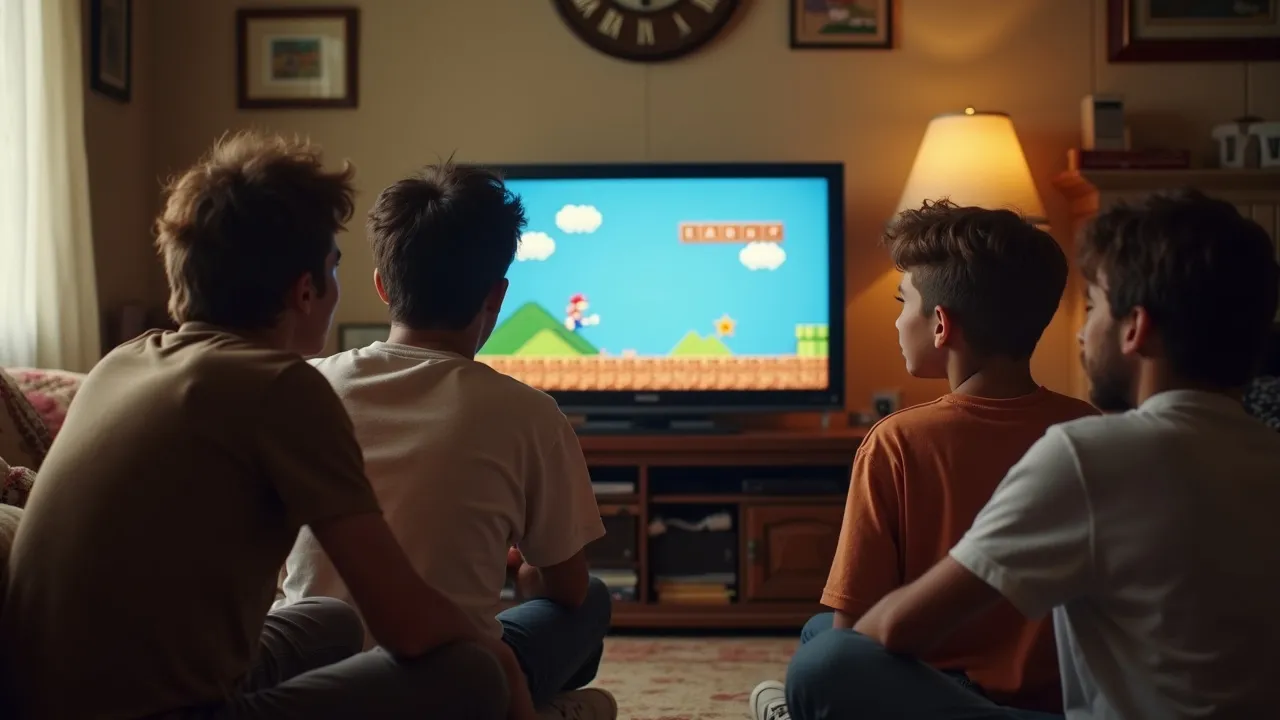
Mario Day, observed annually on March 10 (Mar10), celebrates the beloved Nintendo mascot Mario. It's a day for fans worldwide to play Mario games, share memories, and enjoy the plumber's enduring legacy.
The Historical Origins & Evolutionary Journey
Mario Day, celebrated on March 10th (Mar10), is a fan-driven and officially endorsed observance honoring Nintendo's iconic character Mario. The date was chosen because the abbreviation "Mar10" visually resembles the name "Mario." While the first organized celebrations date to the early 2000s among dedicated gaming communities, Nintendo officially adopted the day in 2016, promoting it with sales, social media campaigns, and special events.
The Foundational Catalyst
The origins of Mario Day trace back to the character's debut in the 1981 arcade game Donkey Kong, where he was originally known as "Jumpman." Over subsequent decades, Mario evolved into the face of Nintendo, starring in best-selling franchises like Super Mario, Mario Kart, and Super Smash Bros. The date March 10 emerged naturally from the visual pun "Mar10," popularized on internet forums and fan sites around the mid-2000s.
The Official Adoption
In 2016, Nintendo leveraged the day's grassroots popularity by launching its first official Mario Day celebration. Activities included eShop discounts on Mario titles, limited-edition merchandise, and partnerships with retailers. The company also encouraged social media participation using the hashtag #MarioDay. Since then, Mario Day has become a recurring annual event, with Nintendo consistently releasing new content, announcing game updates, or hosting live-streams on March 10.
Modern Global Legacy
Today, Mario Day transcends national borders. In Japan, the date is recognized as "Mario no Hi" and often features special promotions. In North America and Europe, schools and libraries host Mario-themed reading challenges, while speedrunning communities organize marathons. The day also fuels charitable events, such as Games Done Quick marathons that often feature Mario games. The 2023 release of The Super Mario Bros. Movie amplified the holiday, with theaters offering themed screenings on March 10.
How to Celebrate Mario Day
Celebrating Mario Day can be as simple or elaborate as you like. Whether you're a lifelong fan or new to the Mushroom Kingdom, here is a definitive guide to making March 10 memorable.
Individual Celebrations
- Play a Mario Game: Pick any title from the vast library—from Super Mario Bros. on NES to Super Mario Odyssey on Switch. Try a game you've never played before or replay a classic.
- Watch the Super Mario Movie: The 2023 animated film is perfect for family viewing. Host a movie night with themed snacks like "Mushroom Pizza" or "Star-shaped Cookies."
- Speedrun Challenge: Time yourself completing a level or whole game. Share your best time on social media with #MarioDay.
Social and Group Activities
- Host a Mario Karaoke Night: Sing along to iconic tunes from the games—the Super Mario Bros. Theme is a must.
- Organize a Mario Kart Tournament: Gather friends for a friendly competition. Use a bracket system and award prizes like a custom 1-Up mushroom trophy.
- Mario Trivia Quiz: Prepare questions about Mario lore, characters, and game release dates. Play in teams for added fun.
Retail and Corporate Rituals
Many retailers offer discounts on Nintendo games and merchandise. Nintendo eShop typically runs a sale on Mario titles. Check your local game store for events or themed giveaways. Some workplaces encourage casual dress or Mario-themed decorations. Social media is central: share photos of your Mario collection, fan art, or cake. Use the official hashtag to join the global conversation.
Regional Variations
- Japan: Nintendo holds special events at its Tokyo store, and fans often visit the Shibuya crossing dressed as Mario.
- United States: Libraries host "Mario Storytime" reading events, and schools incorporate Mario-themed math or problem-solving worksheets.
- Europe: Game stores in the UK and Germany organize midnight launches for Mario-related releases if they coincide with the date.
Cultural Impact of Mario Day
Mario Day exemplifies how a fictional character can become a cultural touchstone. The day's popularity reflects Mario's status as one of the most recognizable figures in popular culture, alongside Mickey Mouse and Superman.
Cross-Generational Appeal
Mario has been a constant presence for over 40 years. Grandparents who played the original arcade version now share the experience with their grandchildren on modern consoles. Mario Day reinforces this family bond, with multi-generational celebrations common. The character's timeless design and universally positive personality make him a safe, nostalgic icon.
Memes and Internet Culture
The "It's-a me, Mario!" catchphrase and "Wahoo!" are embedded in internet meme vocabulary. Mario Day sees an explosion of memes remixing game sound effects, the infamous "Mario judo" scene, or the "Cursed Mario" images. Platforms like TikTok and Twitter host trends such as the "Mario Dance Challenge" or "Green Screen Mario" videos.
Literary and Academic Recognition
Academics have studied Mario's impact on game design and storytelling. Several universities host lectures on March 10 about the history of platformers, and libraries use the day to promote reading through Mario-themed bookmarks and story hours. This year, the Strong Museum of Play in New York often features special exhibits for Mario Day.
Mario's Influence on the Video Game Industry
Mario Day also serves as a moment to reflect on the character's monumental impact on the video game industry.
Revitalizing the Home Console Market
The 1985 release of Super Mario Bros. for the Nintendo Entertainment System (NES) single-handedly resuscitated the North American video game industry after the 1983 crash. Its side-scrolling gameplay, precise controls, and hidden secrets set a new standard. Every year on Mario Day, developers cite this title as their inspiration.
Innovation in Game Design
Mario games consistently push technological boundaries. Super Mario 64 (1996) defined 3D platforming with its analog control and camera. Super Mario Galaxy (2007) introduced gravity-defying puzzles. Super Mario Maker (2015) empowered players to create and share their own levels, a precursor to user-generated content trends. Mario Day celebrates these innovations and often includes announcements of new technology or patents.
Economic Powerhouse
The Mario franchise is the best-selling video game series of all time, with over 800 million units sold. Mario Day generates significant revenue for Nintendo through game sales, merchandise, and licensing. The 2023 film grossed over $1.3 billion, further boosting the brand. Small businesses also benefit: bakeries selling Mario-themed cakes, artists selling fan prints, and independent game stores hosting events.
Controversies and Criticisms
Despite its cheerful surface, Mario Day is not without debate. Some critics argue that the holiday is overly commercialized, pressuring fans to spend money on official products rather than appreciating the games organically. Others point to Nintendo's aggressive intellectual property enforcement, which can silence fan projects or streams on Mario Day. Additionally, the lack of representation in the Mario universe (e.g., Princess Peach often being a damsel in distress) has sparked discussions about gender stereotypes. However, these critiques rarely dampen the overall celebratory spirit, and many fans use the day to highlight community-driven, non-commercial activities.
Fan vs. Corporate Ownership
A tension exists between Mario Day as a grassroots fan celebration and as a corporate marketing event. Some fans feel that Nintendo's official branding of the day co-opts a community tradition. Others welcome the company's involvement as validation. This dynamic mirrors larger discussions in fandom about the balance between creator and consumer control.
The Future of Mario Day
As Mario approaches his fifth decade, Mario Day will likely evolve. With the rise of virtual reality and cloud gaming, future celebrations could include VR Mario experiences or live-streamed concerts of game soundtracks. Nintendo's continued expansion into theme parks, like Super Nintendo World, means that Mario Day may become a park-wide event with exclusive attractions and character meet-and-greets. The day also has potential for educational outreach: schools could adopt Mario-themed STEM curricula. Whatever the future holds, March 10 will remain a special date for gamers worldwide.
Historical Timeline
Jumpman (later Mario) appears for the first time in the arcade game Donkey Kong, created by Shigeru Miyamoto.
Super Mario Bros. is released for the NES, revolutionizing the platforming genre and revitalizing the home video game industry.
Super Mario 64 launches, pioneering 3D platforming and setting new standards for game design.
The term 'Mar10' begins appearing on fan forums as a playful reference to Mario, leading to informal celebrations.
Nintendo officially recognizes Mario Day on March 10, launching sales and social media campaigns. First official celebration.
NASA astronaut Christina Koch celebrates Mario Day aboard the International Space Station, posting a photo with a Mario plushie.
The Super Mario Bros. Movie premieres in theaters, boosting Mario Day awareness; many cinemas host special screenings on March 10.