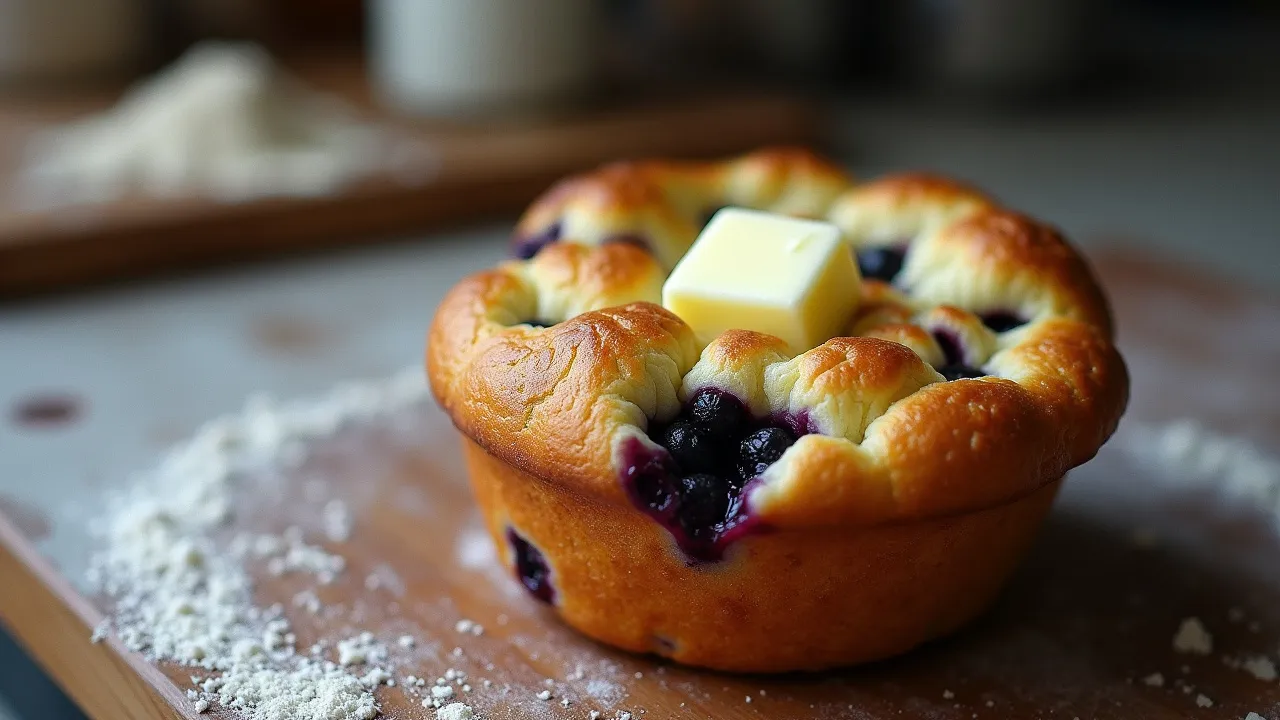
National Blueberry Popover Day, observed on March 10th, celebrates the delightful fusion of tart blueberries and airy popovers. This day honors a beloved baked good with roots in American home cooking and a rich history of culinary innovation.
The Historical Origins & Evolutionary Journey
National Blueberry Popover Day, celebrated annually on March 10th, pays homage to a unique baked good that marries the light, hollow structure of a popover with the sweet-tart burst of blueberries. While the precise origins of this observance are not officially recorded by any single government entity, it is widely attributed to the Southern Baking Guild, a consortium of home bakers and culinary historians who, in 1987, sought to highlight regional American desserts that had been overshadowed by mass-produced snacks.
The Foundational Catalyst
The popover itself has a storied history dating back to the 19th century. Adapted from English Yorkshire puddings, American cooks in New England began creating lighter, eggier versions that "pop over" the muffin tin, hence the name. The addition of blueberries, native to North America, transformed the popover into a distinctly American treat. By the early 20th century, blueberry popovers appeared in community cookbooks, often served with butter and honey as a breakfast or tea item.
The Legislative/Official Adoption
In the mid-1980s, the Southern Baking Guild (SBG) launched a campaign to preserve heirloom recipes. They declared March 10th as National Blueberry Popover Day, choosing the date because it falls in the heart of blueberry-growing season in the South (where early-blooming varieties begin to appear) and also avoids conflict with other major food holidays. The SBG produced pamphlets, organized bake-offs, and partnered with local libraries to host popover workshops. While not a federal holiday, it gained traction through food media and community events.
Modern Global Legacy
Today, National Blueberry Popover Day is celebrated across the United States and in parts of Canada and the UK, where popovers (often called Yorkshire puddings with berries) are enjoyed. Social media campaigns, particularly on Instagram and Pinterest, feature #BlueberryPopoverDay, with thousands of home bakers sharing their recipes. The day has also spurred commercial interest, with bakeries and cafes offering special popover menus. Notably, the Blueberry Council of North America endorses the day, promoting the health benefits of blueberries.
In 2018, a petition was circulated to make the day officially recognized by the U.S. Department of Agriculture, but it remains an unofficial observance. Nevertheless, its cultural impact persists, symbolizing a blend of culinary tradition and local agriculture.
How to Celebrate National Blueberry Popover Day
Celebrating National Blueberry Popover Day on March 10th is a chance to engage with a time-honored baking tradition. Whether you are a seasoned baker or a curious novice, the following activities provide a comprehensive guide to making the most of this delicious day.
Baking the Perfect Blueberry Popover
The core of the celebration is, of course, baking. Here are actionable steps:
- Gather ingredients: Fresh or frozen blueberries, eggs, milk, flour, butter, salt, and a touch of sugar. For extra lift, ensure eggs and milk are at room temperature.
- Preheat the oven to 425°F (220°C). Place a popover pan or muffin tin inside to heat—this is crucial for the "pop."
- Whisk the batter until smooth, but do not overmix. A few lumps are fine. Gently fold in blueberries.
- Fill the preheated pan cups about three-quarters full. Bake for 20 minutes, then reduce heat to 325°F (160°C) for another 10-15 minutes until golden brown.
- Serve immediately with butter, honey, or a dusting of powdered sugar.
Community and Social Celebrations
Beyond home baking, consider these ideas:
- Host a Popover Party: Invite friends and family for a popover potluck. Ask guests to bring their own variations (e.g., lemon-blueberry, chocolate chip).
- Visit a Local Bakery: Many independent bakeries offer special blueberry popovers on March 10th. Check social media for announcements.
- Share on Social Media: Use the hashtag #NationalBlueberryPopoverDay to post your creations. Engage with the community by commenting on others' photos.
Educational and Corporate Events
Schools and offices can participate:
- Cooking Classes: Arrange a virtual or in-person baking demonstration through a local culinary school.
- Blueberry Popover Contest: Encourage teams to compete for the best recipe. Offer prizes like cookbooks or baking tools.
- Charitable Twist: Partner with a food bank to donate excess popovers or host a bake sale benefiting blueberry farm preservation.
Internationally, variations exist: In the United Kingdom, some celebrate with Yorkshire pudding-like versions served with blueberries and custard. In Canada, the day aligns with early blueberry harvests in British Columbia, leading to farm-to-table events. Regardless of location, the spirit of the day is about sharing warmth and flavor.
Nutritional Benefits and Dietary Considerations
Blueberry popovers, when consumed in moderation, offer a balance of carbohydrates, protein, and antioxidants. This section explores the health aspects of this treat.
Blueberry Power
Blueberries are rich in vitamins C and K, fiber, and antioxidants such as anthocyanins, which have been linked to reduced inflammation and improved heart health. A standard popover (about 120g) contains roughly 1/2 cup of blueberries, providing a significant portion of the recommended daily antioxidant intake.
Popover Profile
The popover itself is relatively low in sugar compared to other pastries. However, it relies on eggs and milk for structure, offering high-quality protein and calcium. To make a healthier version:
- Use whole wheat flour for added fiber.
- Replace butter with Greek yogurt to reduce saturated fat.
- Reduce sugar by using ripe, sweet blueberries.
Dietary Adaptations
For those with dietary restrictions:
- Gluten-Free: Substitute all-purpose flour with a gluten-free blend containing xanthan gum.
- Vegan: Use flax eggs (1 tbsp ground flaxseed + 3 tbsp water per egg) and plant-based milk, though the texture may be denser.
- Low-FODMAP: Use lactose-free milk and moderate the number of blueberries (limit to 1/4 cup per serving).
While blueberry popovers are not a health food, they can be part of a balanced diet when enjoyed as an occasional treat. The day itself encourages mindful eating and appreciation of whole ingredients.
The Art and Science of the Perfect Popover
Understanding the physics behind the popover helps bakers achieve that coveted hollow interior and crispy exterior. This section delves into the technical aspects.
The Steam Engine
A popover rises primarily due to steam. When the high-moisture batter hits the hot pan, water in the eggs and milk turns to steam, expanding rapidly and creating a hollow center. The high initial oven temperature (425°F) ensures steam forms before the batter sets. Reducing the temperature after 20 minutes allows the structure to dry out and crisp without burning.
Key Variables for Success
Several factors influence the result:
- Pan Preheating: Never skip this step. A cold pan reduces immediate steam formation.
- Batter Temperature: Using room-temperature ingredients blends more evenly and produces a better rise.
- Resting the Batter: Letting the batter rest for 30 minutes allows gluten to relax, resulting in a softer popover.
- Blueberries: Fold them in gently to avoid breaking them, which can release excess moisture and weigh down the batter.
Troubleshooting Common Issues
Even experienced bakers face challenges. Common problems include:
- Flat popovers: Usually due to insufficient oven heat or batter that is too thin. Ensure the pan is thoroughly preheated.
- Dense interiors: Overmixing the batter develops gluten, leading to a tough structure. Mix just until combined.
- Blueberries sinking to the bottom: Toss them in a little flour before folding in to suspend them evenly.
Mastering these techniques not only improves your popover but also deepens your appreciation for the craft.
Cultural Impact and Global Variations
Though rooted in American home baking, National Blueberry Popover Day has inspired creative adaptations around the world. This section explores how different cultures have embraced the concept.
North American Traditions
In the United States, the day is often paired with blueberry pancake breakfasts or brunch events. Some regions, like Maine (a major blueberry producer), hold popover contests at state fairs. In Canada, particularly in British Columbia, blueberry popovers are served with maple syrup for a distinctly Canadian twist.
European Interpretations
In the United Kingdom, where the popover originated as Yorkshire pudding, the blueberry version is sometimes called "Yorkshire blueberry puffs." They are served as a dessert with custard or ice cream during tea time. In Scandinavia, similar pastries called "poffertjes" (mini pancakes) are sometimes adapted with blueberries, though they are denser.
Fusion and Innovation
Modern chefs have experimented with savory-sweet combinations:
- Blueberry Goat Cheese Popovers: Adding tangy cheese for complexity.
- Spiced Blueberry Popovers: Incorporating cinnamon, cardamom, or ginger for warmth.
- Vegan and Gluten-Free Versions: Using chickpea flour or almond milk to accommodate dietary trends.
These innovations keep the tradition alive and demonstrate the popover's versatility as a canvas for culinary creativity.
Historical Timeline
The first popover recipes appear in American cookbooks, derived from English Yorkshire pudding. The name comes from the batter's tendency to 'pop over' the pan.
Blueberries are cultivated commercially in the United States, making them widely available for baking.
A recipe for 'Blueberry Popovers' is published in the 'Boston Cooking-School Cook Book' by Fannie Merritt Farmer, solidifying the combination.
The Southern Baking Guild establishes March 10th as National Blueberry Popover Day, aiming to preserve heirloom recipes and promote southern baking heritage.
The first official Blueberry Popover Bake-Off is held in Charleston, South Carolina, drawing dozens of contestants.
National Blueberry Popover Day is featured in a segment on the Food Network, boosting its popularity nationwide.
Social media campaigns begin, with #BlueberryPopoverDay trending on Twitter and Instagram.
A petition to the USDA seeks official recognition of the day; while not granted, it raises awareness of the observance.
Over 50,000 posts tagged #BlueberryPopoverDay on Instagram, with bakeries across all 50 states offering special popovers.